
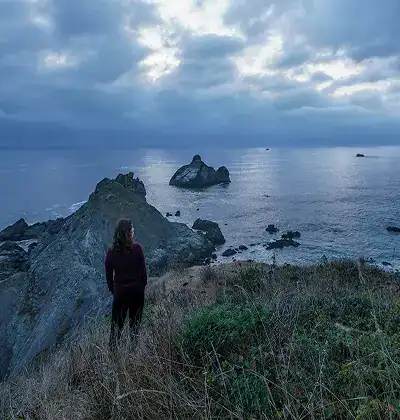
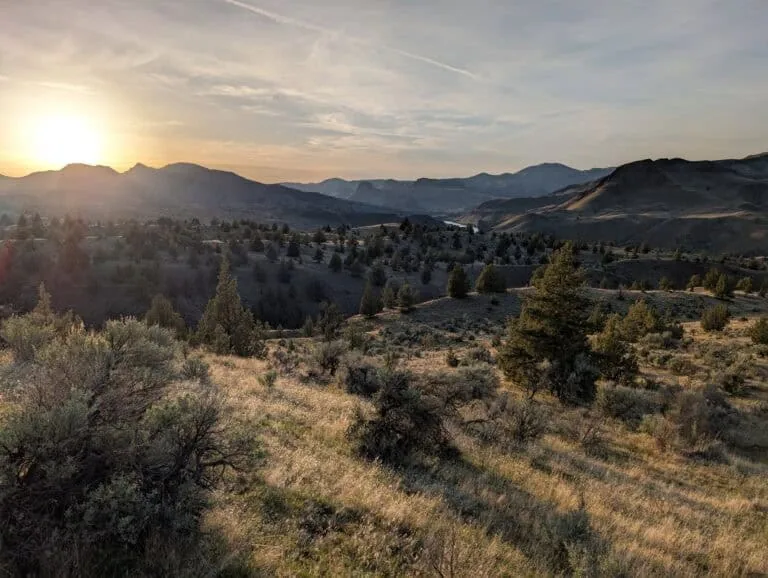
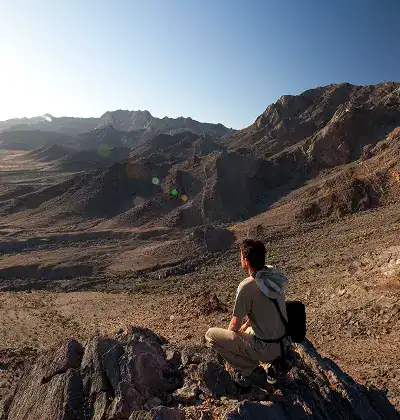
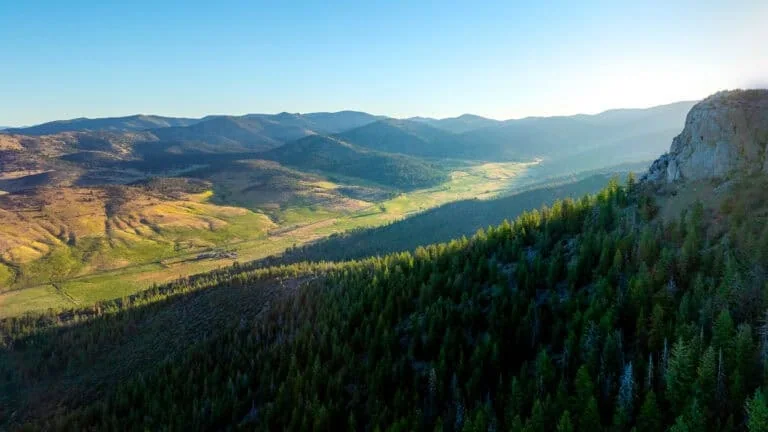
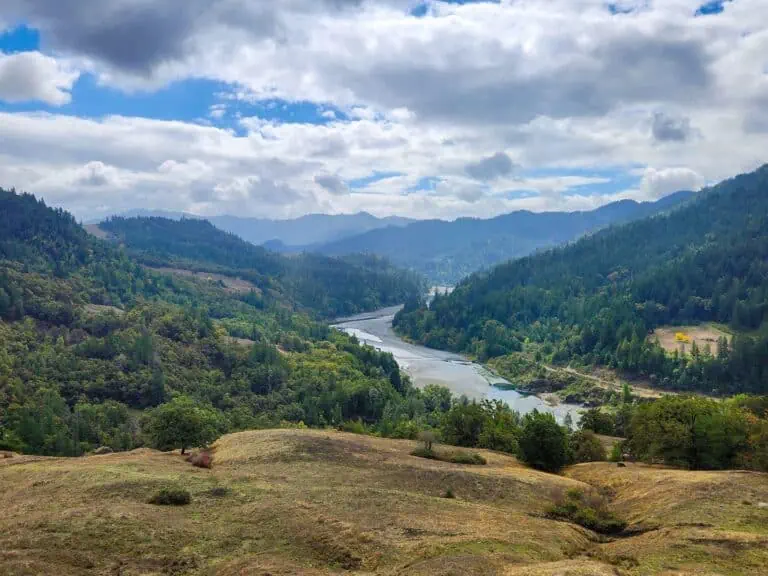
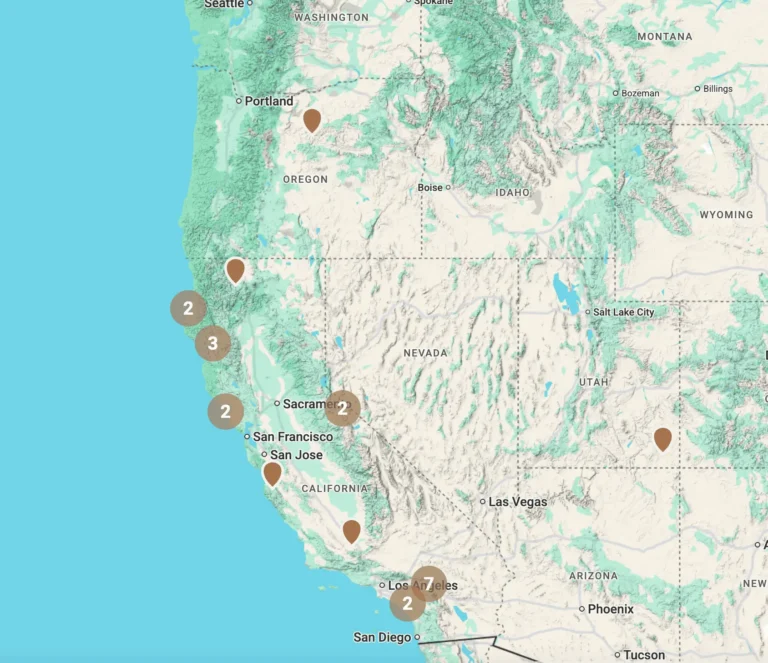

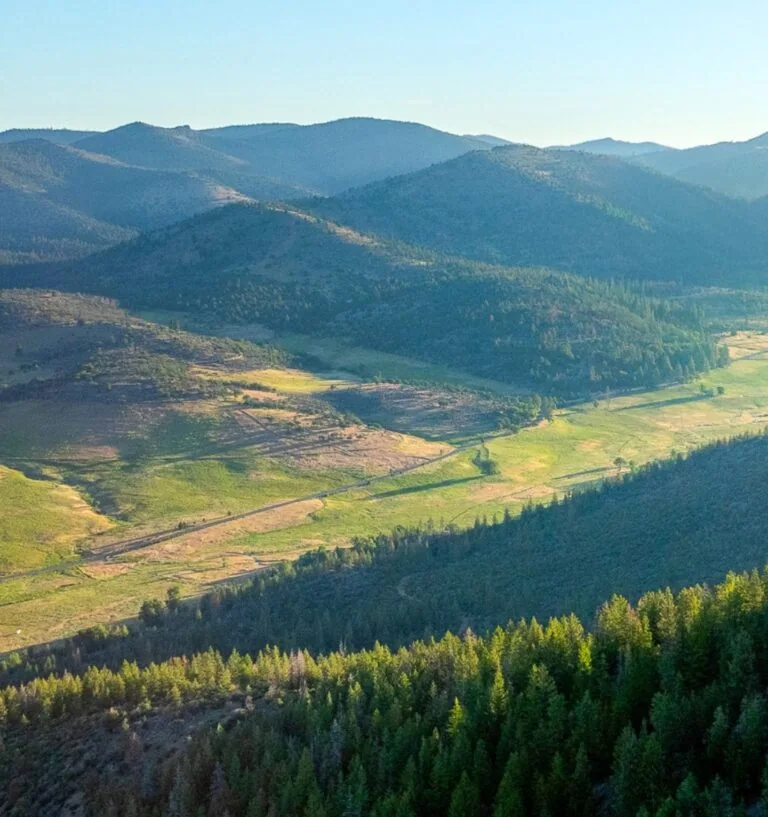
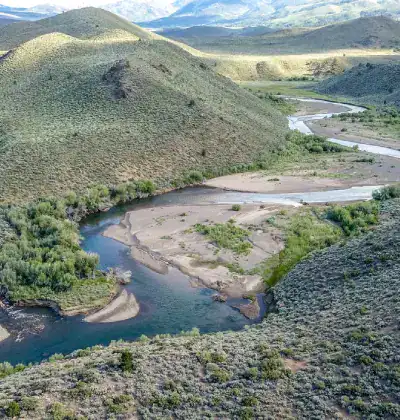
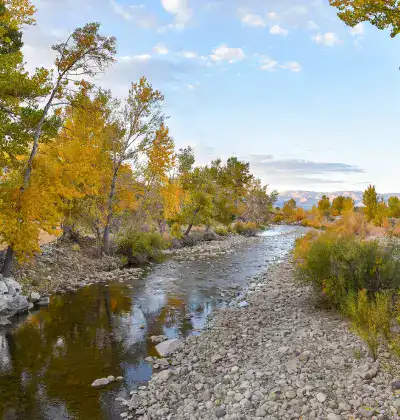
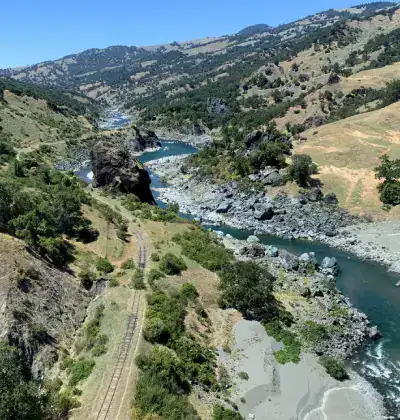
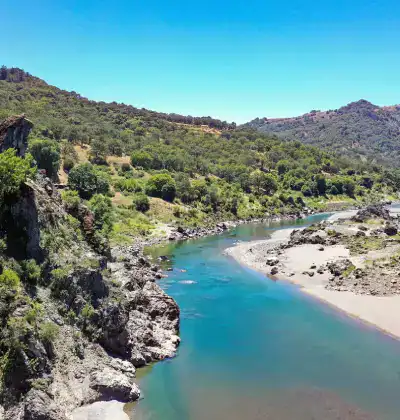
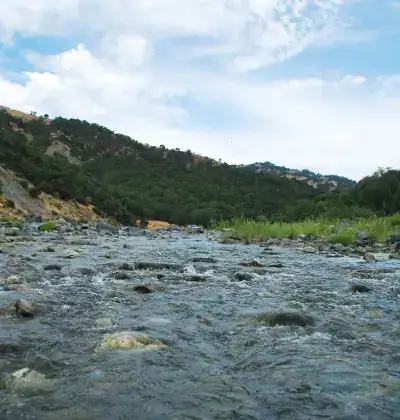
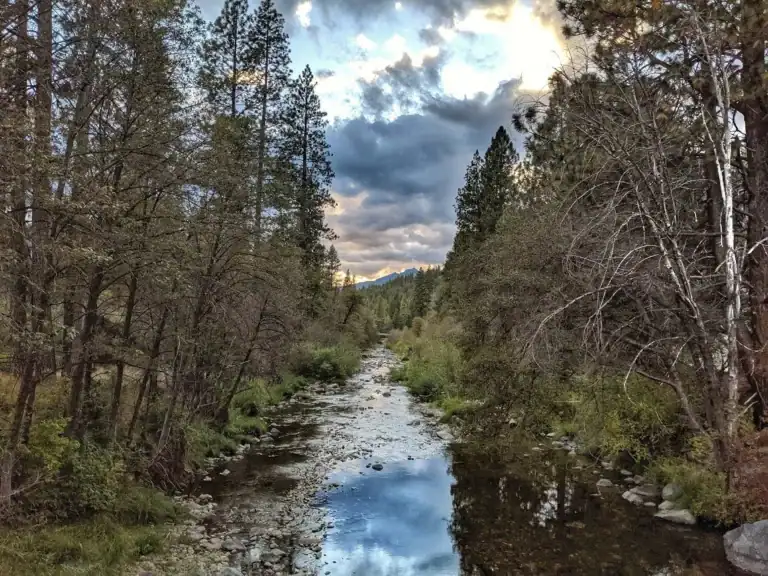
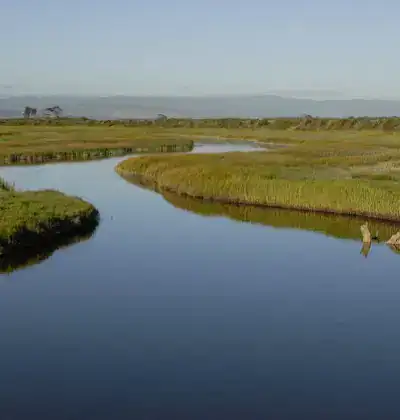
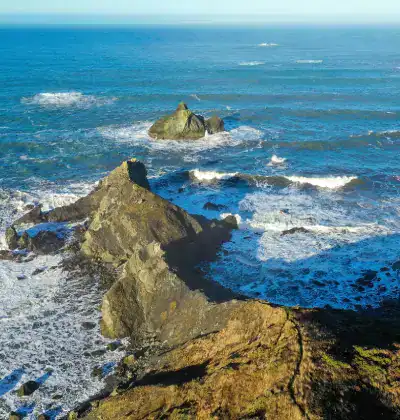
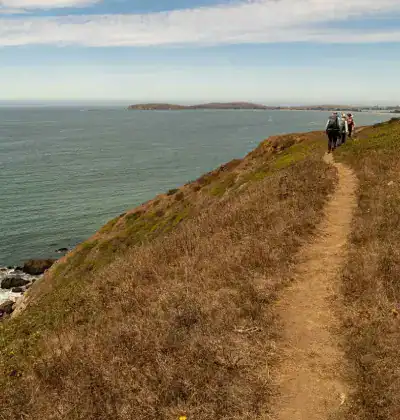
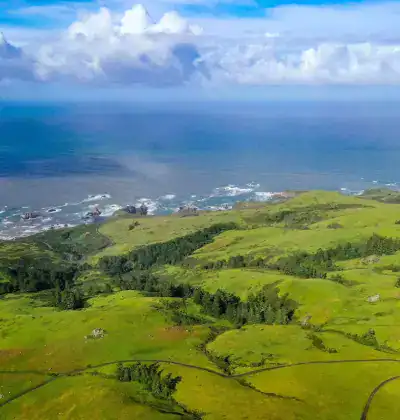
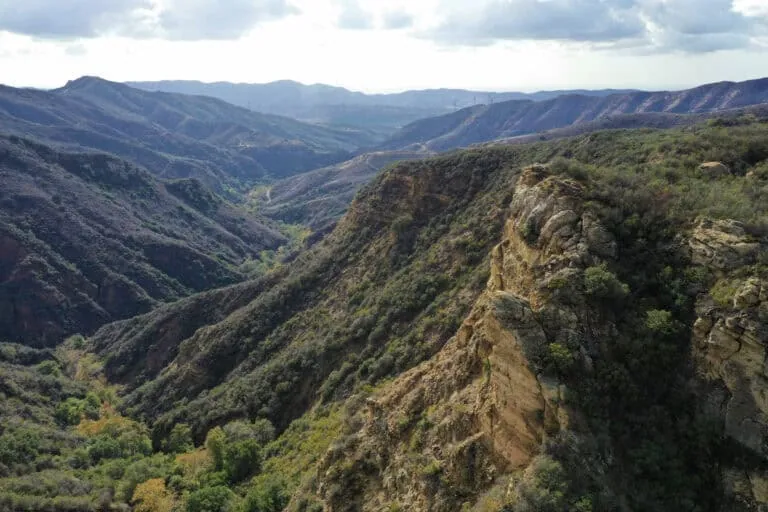
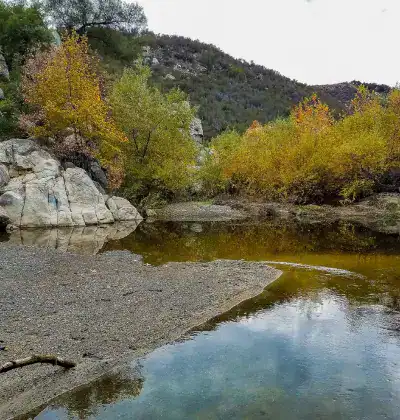
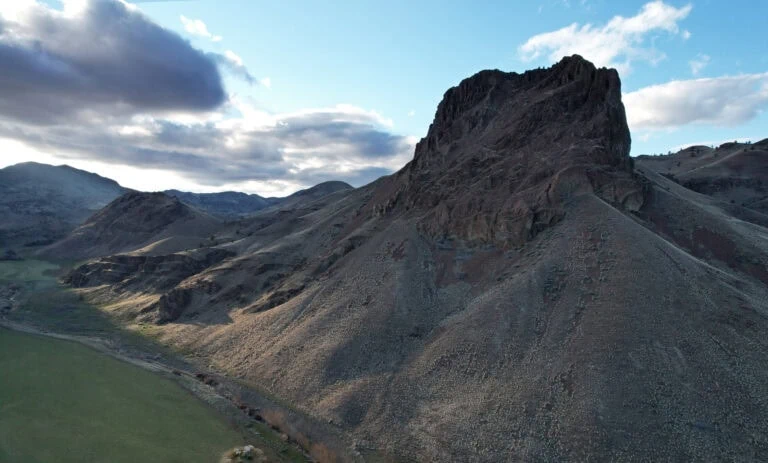
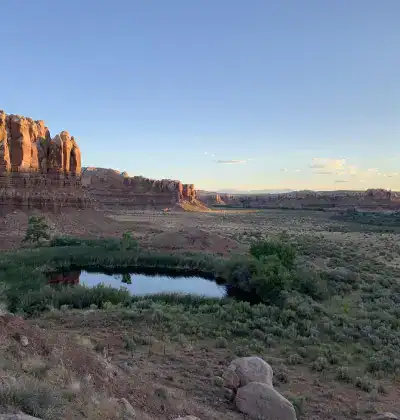
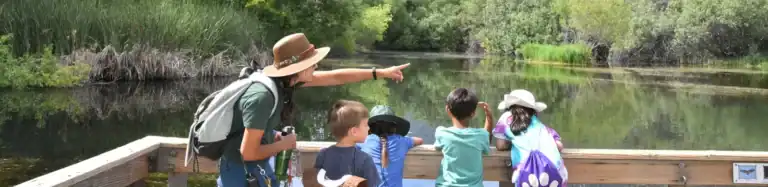
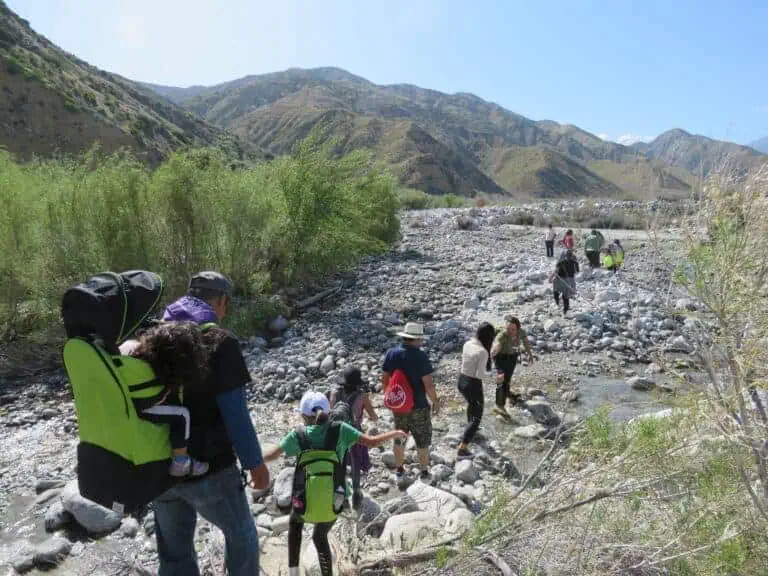
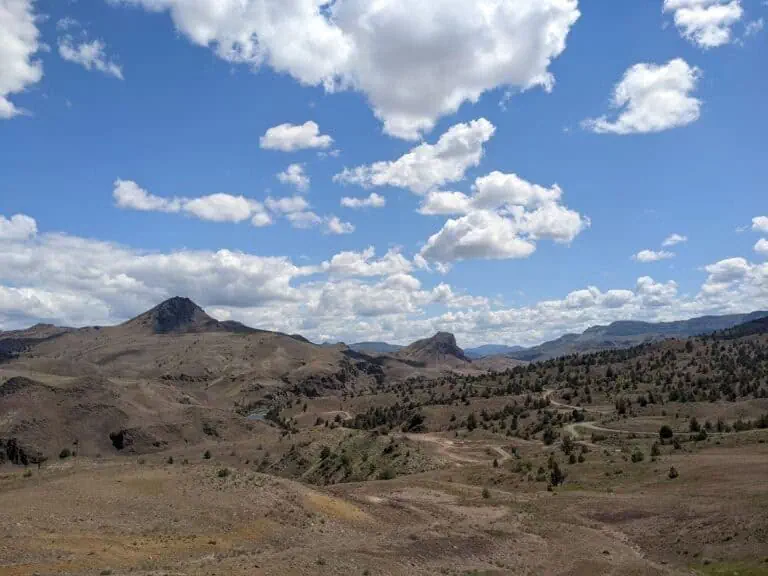
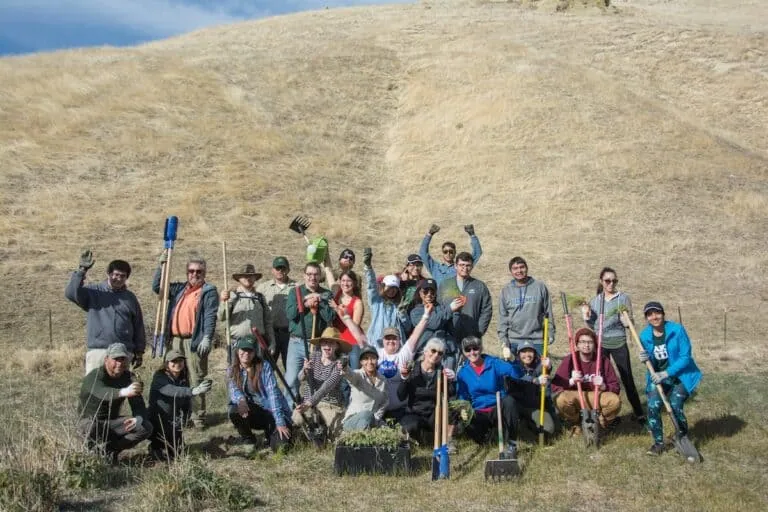
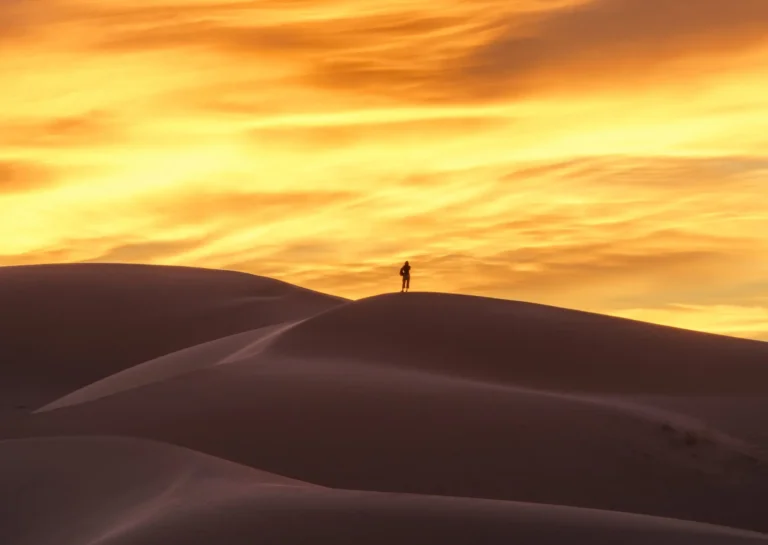
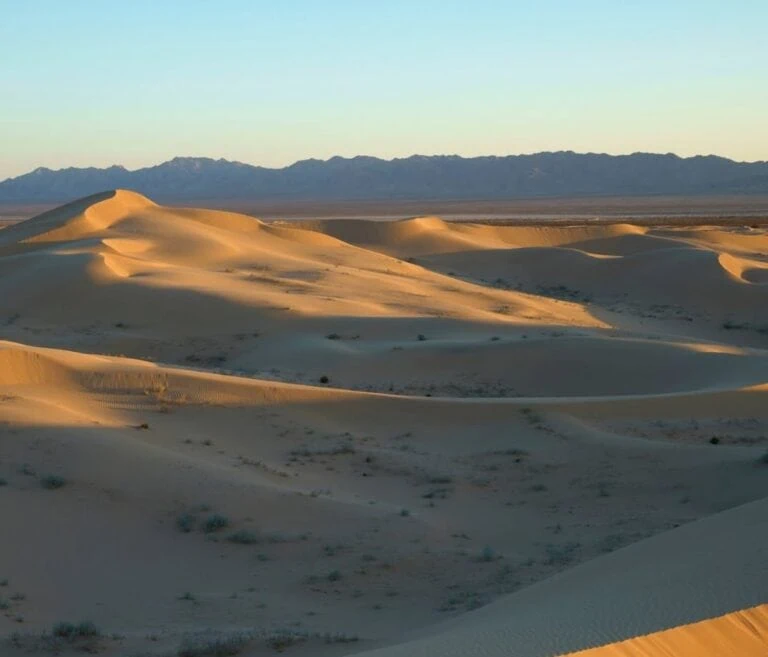
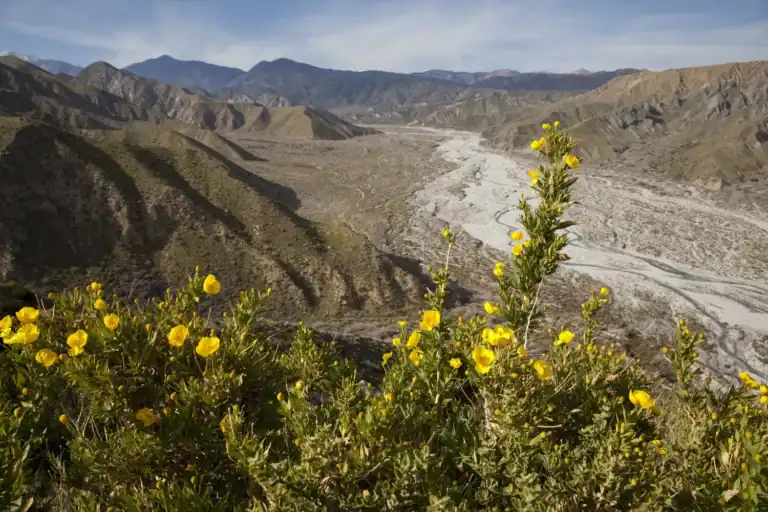
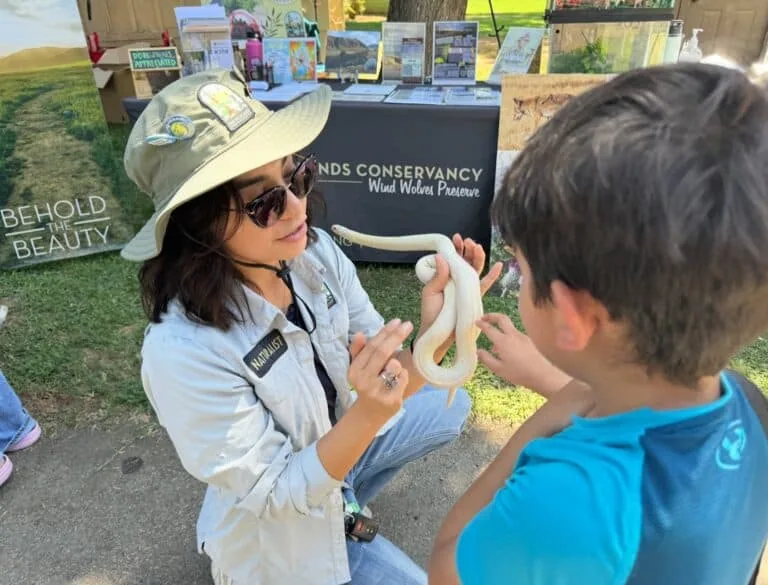

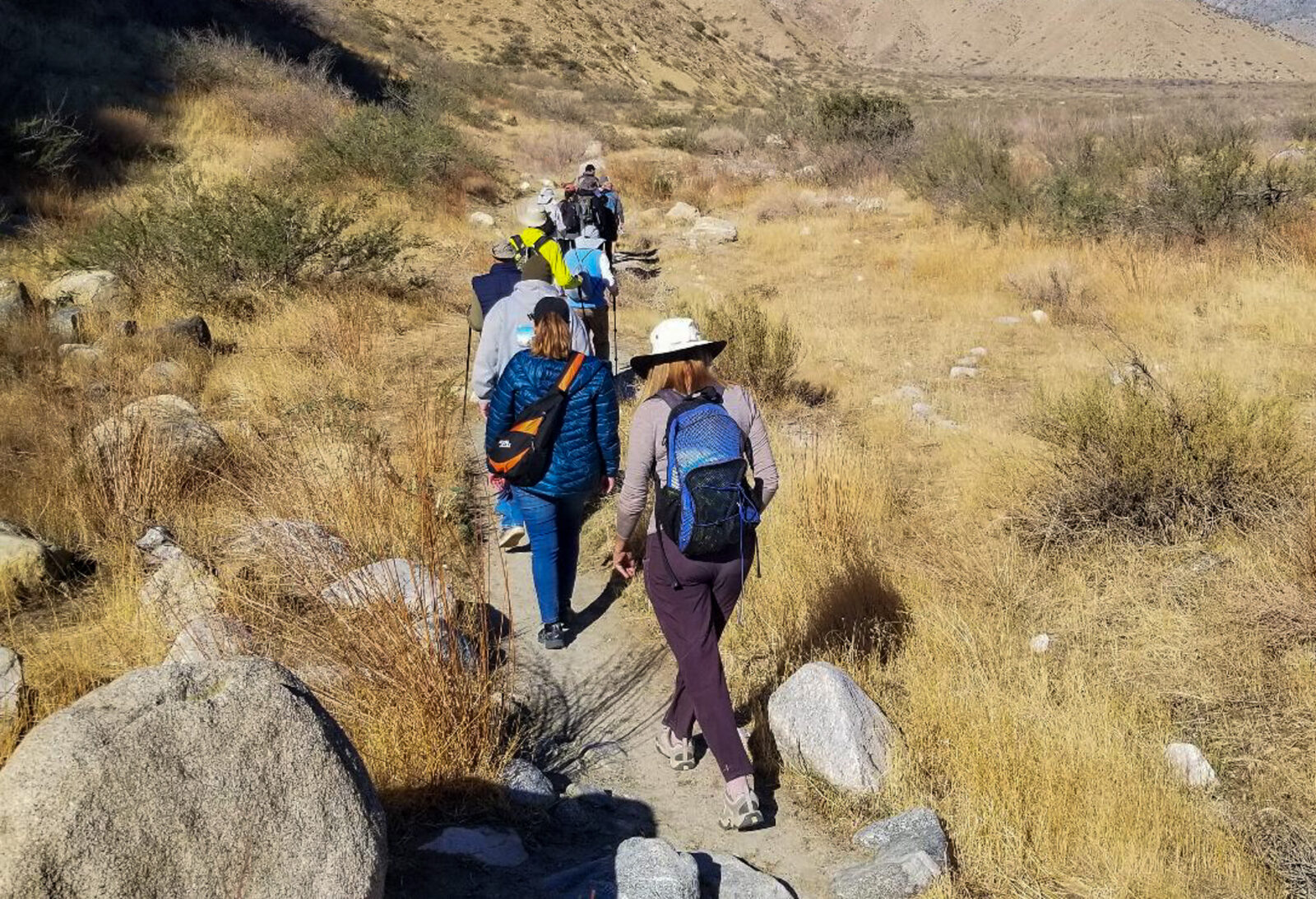
Summer is a wonderful time to visit one of The Wildlands Conservancy’s nature preserves. Across California, Oregon, and Utah, Wildlands’ preserve system encompasses an extraordinary variety of landscapes. While some present rugged Pacific coastlines and shaded river corridors, others offer expansive grasslands, desert canyons, mountain forests, and the canyon country of the Colorado Plateau. Each containing their own opportunities to experience the beauty and wonder of the natural world.
But while the sun may be shining and birds may be singing, it is always important to prepare for an outdoor adventure. Being well prepared not only helps keep you safe, but also helps you be a good steward of the land. We encourage our visitors to plan ahead, take simple safety measures, and enjoy the beauty and wonder of our preserves while helping protect them for future visitors.
Summer Across the Preserve System
From the California Desert to the Sonoma Coast, every region of The Wildlands Conservancy’s preserve system offers a different way to experience the beauty of the natural world. Here’s what visitors can expect across the preserve system this summer.
California Desert Region
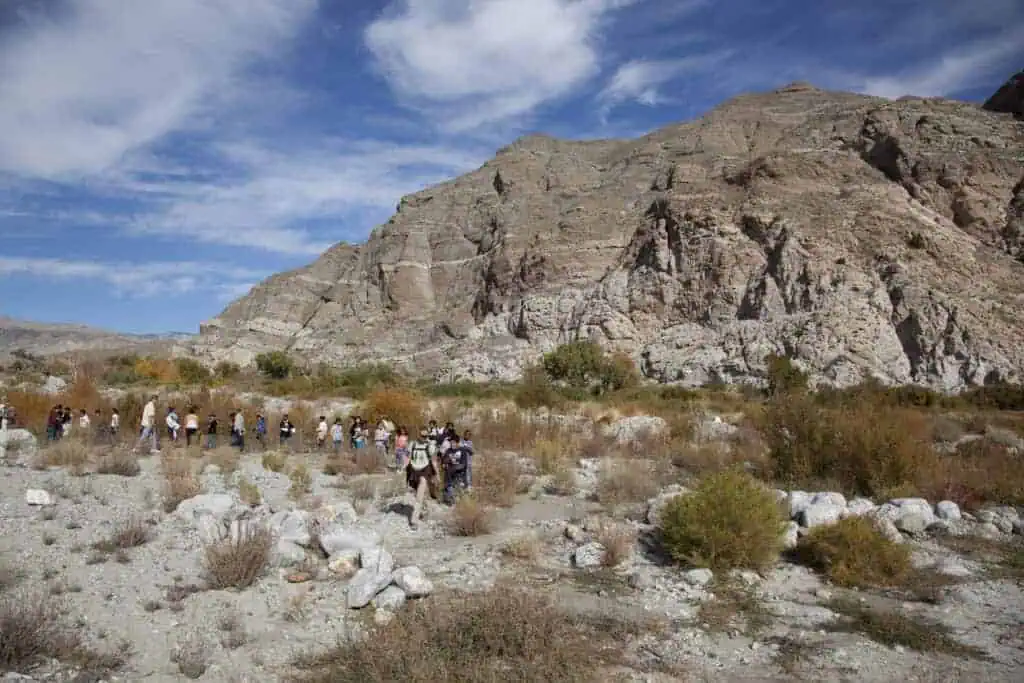
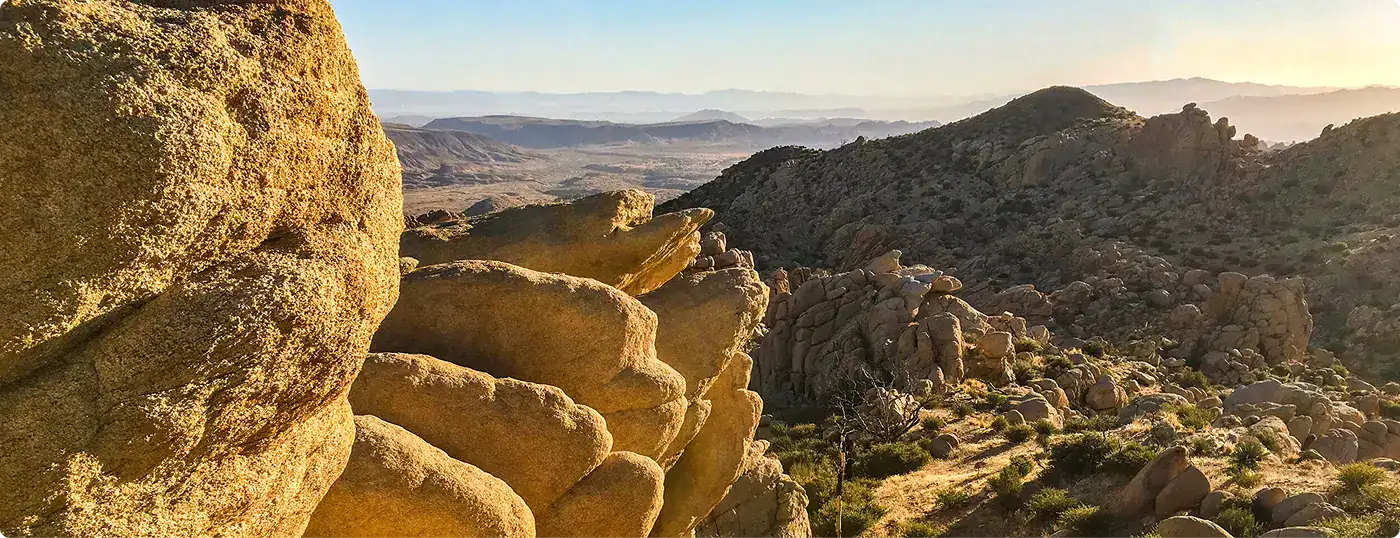
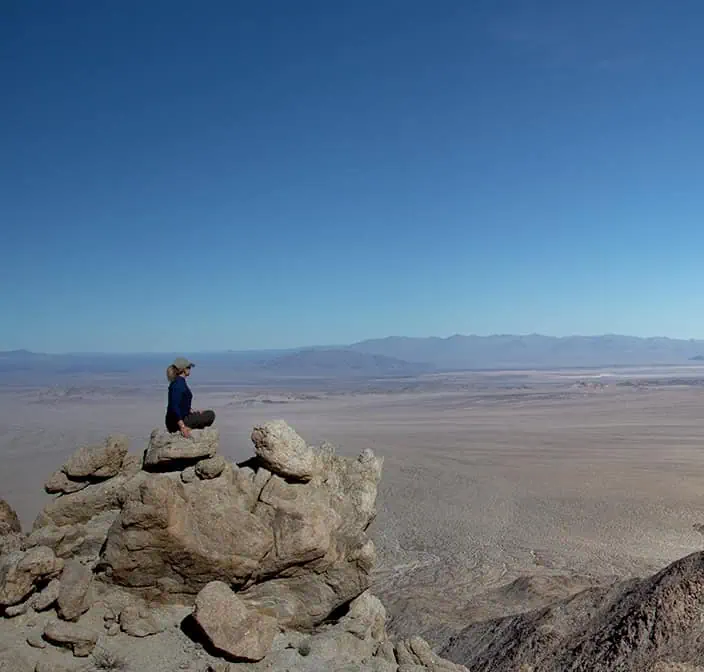
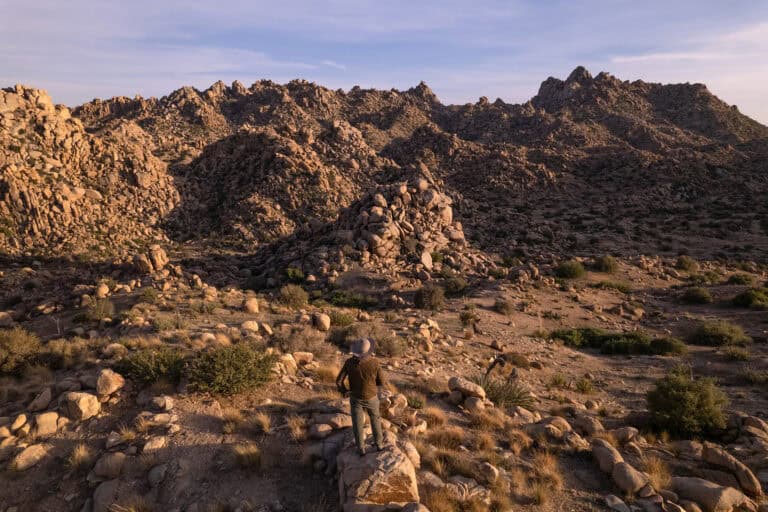
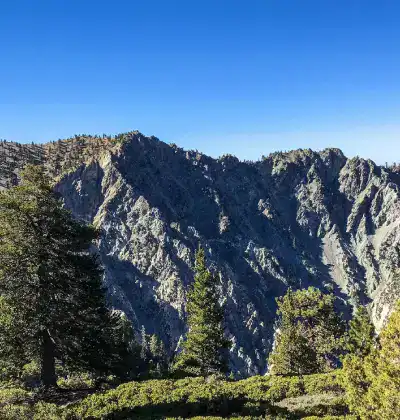
The California Desert is home to some of the most dramatic landscapes in The Wildlands Conservancy’s preserve system. At Whitewater Preserve, Pioneertown Mountains Preserve, and Mission Creek Preserve, visitors can experience rugged mountain canyons, desert streams, sweeping vistas, and the remarkable beauty of the Mojave and Colorado deserts.
During the summer, the California Desert Preserves frequently experience temperatures on exposed trails that can surpass triple digits by noon. These harsh conditions make planning ahead, early starts, and following safety measures requirements for safe hiking.
“Pioneertown Mountains and Mission Creek Preserve are great places to visit during the summer, but the timing of your visit is critical. Cool morning temperatures quickly dissipate as the sun climbs higher in the sky. Plan to be off trail and avoid the parts of the day when the sun is at its peak. Always bring plenty of water and don’t plan on shade being available on the trail.”
— Kerry Puckett, Preserve Manager, Pioneertown Mountains Preserve and Mission Creek Preserve
Those who begin their day early are rewarded with cooler temperatures, quieter trails, and the opportunity to experience these remarkable desert landscapes at their best.
San Bernardino Mountains Region
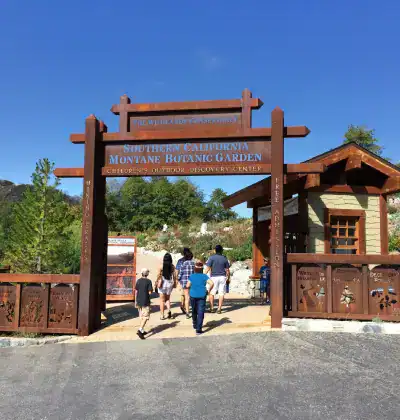
Within an hour drive from the desert, the San Bernardino Mountains offer an entirely different summer experience. At Oak Glen Preserve, towering pines, black oaks, mountain meadows, and a native botanic garden provide welcome relief from the summer heat while inviting visitors to hike, explore, picnic, and connect with nature.
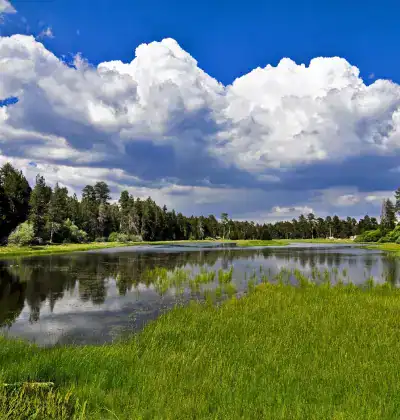
At even higher elevations, Bluff Lake Reserve near Big Bear Lake is open seasonally from late spring through fall. Surrounded by National Forest the preserve features incredible habitat including mountain meadows in bloom and cool conifer forests. While recreation on the lake is prohibited, Bluff Lake offers visitors the opportunity to experience one of Southern California’s most ecologically rich mountain landscapes through hiking, birdwatching, and quiet exploration.
South Coast Region
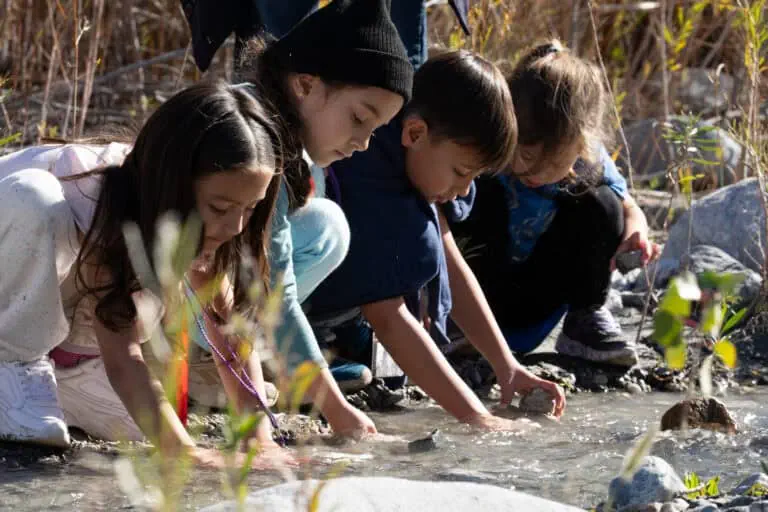
Along the Santa Margarita River Trail Preserve in North County San Diego, families hiking beneath the shade of giant oak trees can hear the calming sound of running water while exploring one of Southern California’s last free-flowing rivers. The preserve’s cool river corridor provides a welcome escape from the summer heat and an opportunity to experience a thriving riparian ecosystem.
“The thick streamside willows and songs of migrating birds make the Santa Margarita River Trail Preserve seem like a remote part of the world. When you visit, please remember to pack out all your trash and belongings to keep the Preserve beautiful and prevent garbage from becoming a hazard for wildlife. The preserve’s most sensitive habitats are along the banks of the river, so remaining on trail and in designated river crossing zones is critical to the habitat management objectives we have at the preserve.”
— Zach Kantor-Anaya, Regional Director at Santa Margarita River Preserve
Unlike a park or beach, the Santa Margarita River Trail Preserve is managed to protect a sensitive river ecosystem and provide opportunities for passive recreation, wildlife viewing, and enjoying nature. The preserve is not intended for water recreation. Swimming, floating, pop-up canopies, coolers, amplified music, and other beach-style activities are not permitted. These measures help protect sensitive wildlife habitat while preserving the peaceful character of the river for everyone to enjoy.
Central Coast Ranges Region
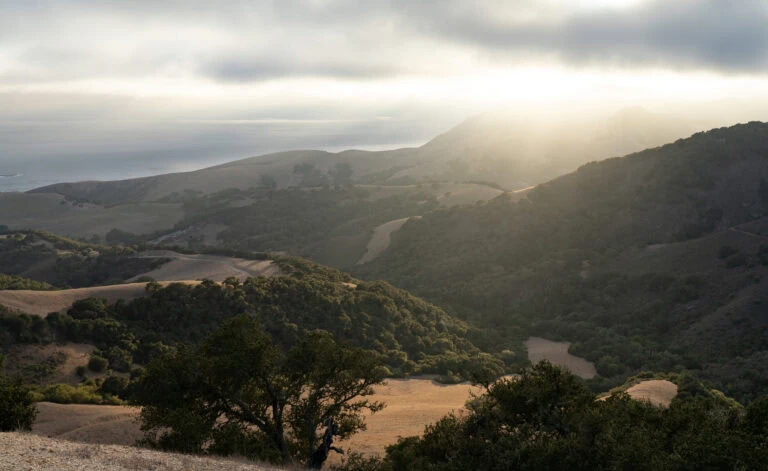
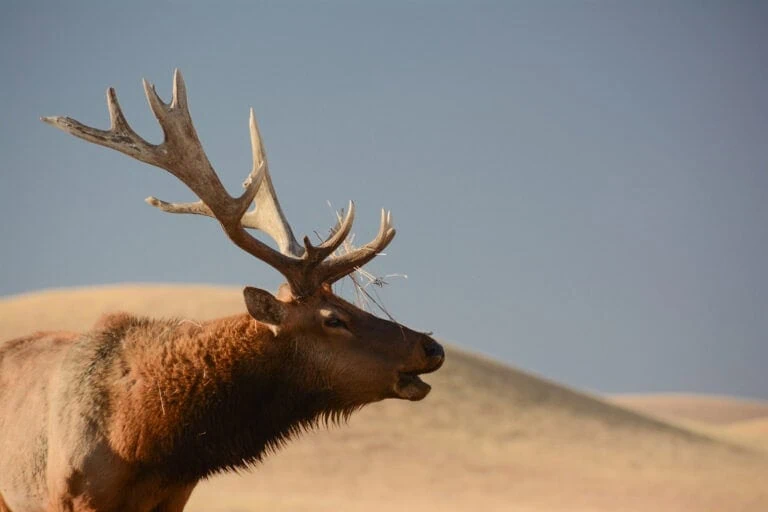
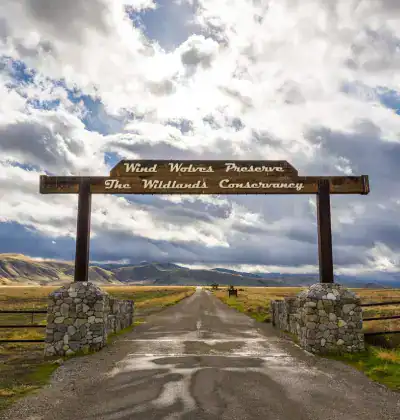
Wind Wolves Preserve offers one of California’s most memorable summer experiences. At 93,000 acres, it is California’s largest nonprofit nature preserve and part of an important wildlife corridor where sweeping grasslands, oak woodlands, and rugged canyons support an extraordinary diversity of native wildlife.
Summer mornings often begin with staff-led sunrise hikes through beautiful San Emigdio Canyon. As the day cools, visitors can return for guided evening hikes, watch bats dart across the sky in search of insects, admire the stars of the summer sky, or enjoy Movies in the Canyon beneath the glow of the Milky Way. From sunrise to starlight, summer reveals a different side of Wind Wolves Preserve.
Sonoma Coast Region
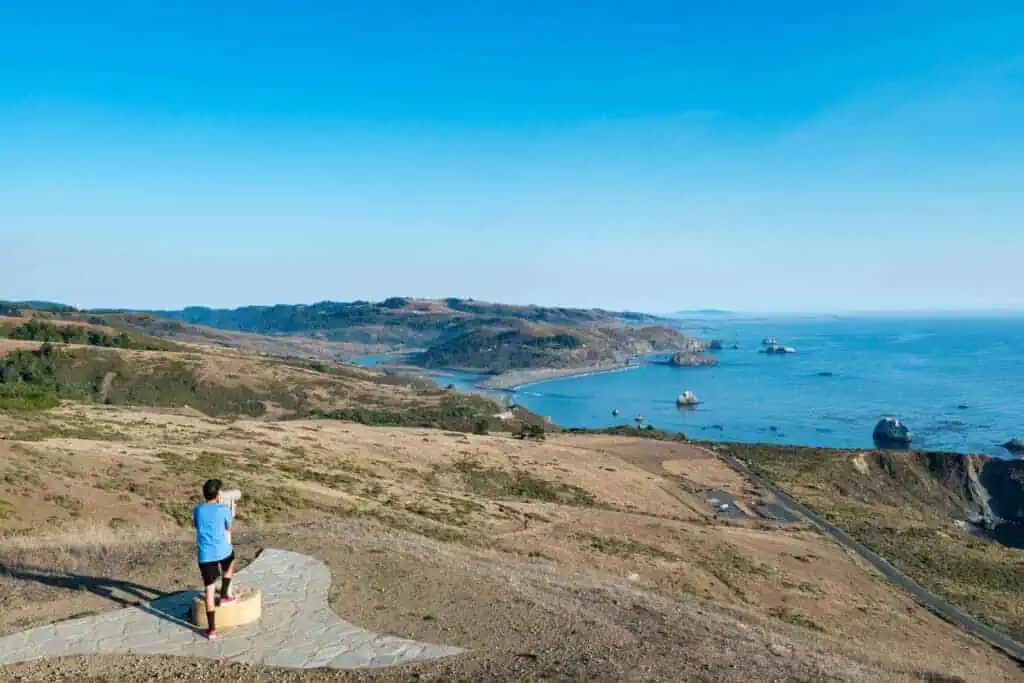
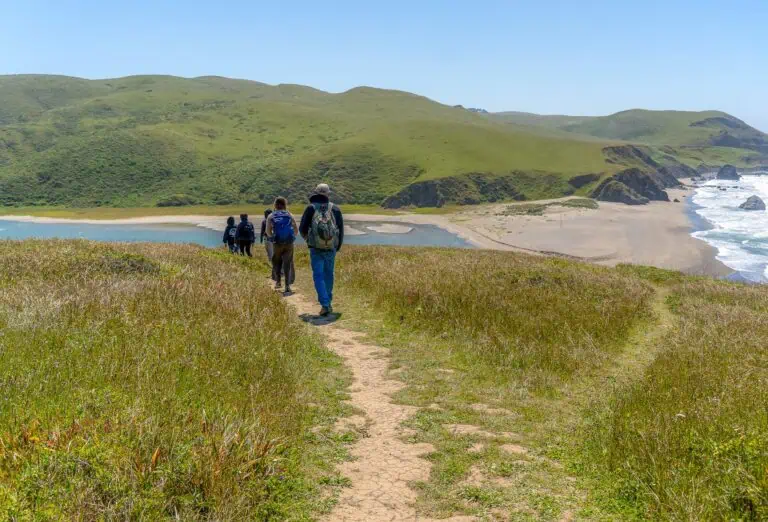
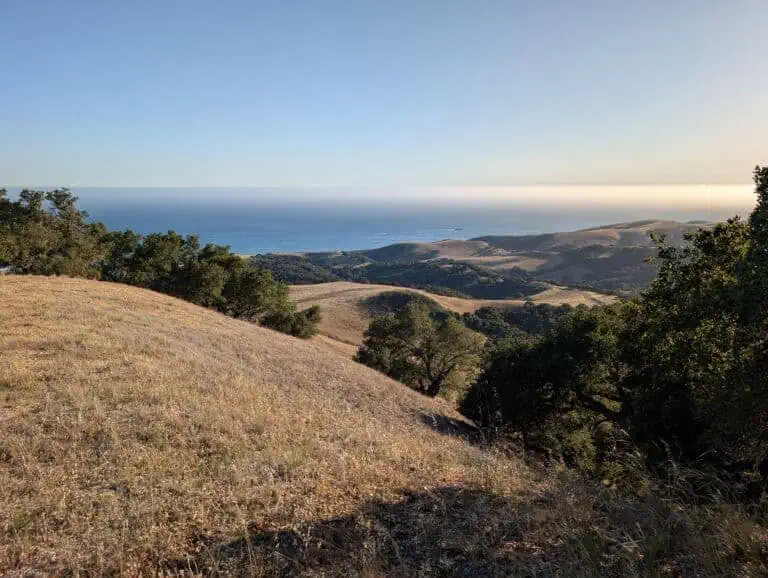
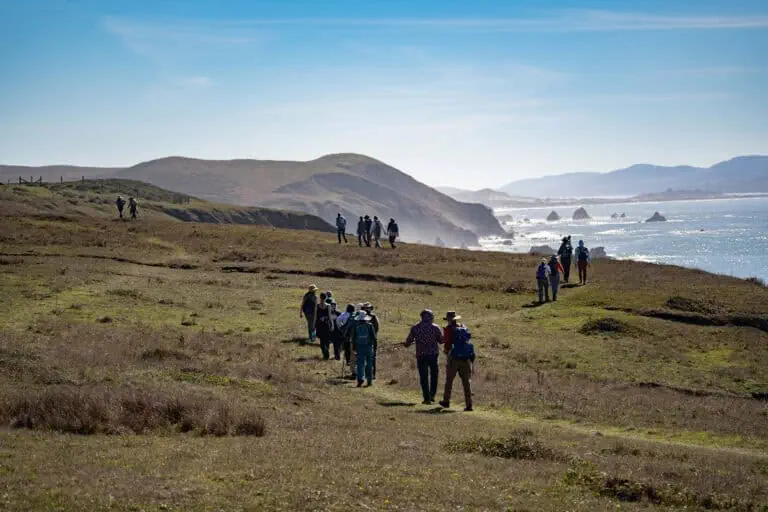
California’s Sonoma Coast offers a refreshing contrast to the inland summer heat. At Jenner Headlands Preserve, trails wind through coastal prairie overlooking the Pacific Ocean, where morning fog often gives way to sweeping ocean views.
At Estero Americano Coast Preserve, visitors can explore trails where wetlands, grasslands, and coastal habitats support an extraordinary diversity of native wildlife.
Eastern Sierra Nevada Region
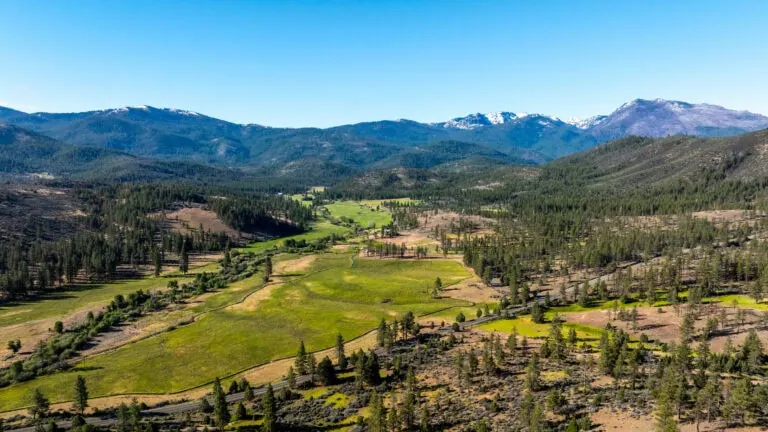
Summer is an ideal time to experience the Eastern Sierra Nevada. At West Walker River Preserve, anglers can enjoy one of California’s premier trout streams while taking in spectacular mountain scenery. Whether casting a line, enjoying a riverside walk, or simply taking in the beauty of the Sierra, visitors can experience the quiet beauty of one of California’s most treasured mountain landscapes.
Summer Preserve Hours & Access
Preserves are open daily free of charge. Be sure to check the preserve page or follow us on Social Media to learn about temporary closures before heading to the preserve.
Guide to a Safe Summer Visit
Stay Cool and Stay Hydrated
The warmth of the summer sun can feel wonderful, but spending time outdoors during the summer requires a little extra preparation. We recommend bringing more water than you think you’ll need, especially if you’re hiking with children, older adults, or dogs. At least one gallon of water per person per day is recommended, with additional water for longer or more strenuous hikes. Electrolytes can also help replenish minerals lost through perspiration during hot weather.
“Drinking water is crucial for safely navigating our trails at Whitewater Preserve. Summer temperatures can climb to 100 degrees before noon, and you do not want to be in the middle of a hike and become dehydrated. Remember to save enough water for your return trip to the trailhead, too!”
— Lucas Wilgers, Preserve Manager, Whitewater Preserve
Summer temperatures can rise quickly, especially on exposed trails. Start early when possible, take breaks in the shade, and don’t hesitate to turn around if conditions become too hot or you’re running low on water. The trail will still be there another day.
When temperatures soar, pavement, rocks, dirt, and sand can become hot enough to burn bare feet and pets’ paws. Before walking on hot surfaces, use the seven-second rule: place the back of your hand on the ground. If it’s too hot to comfortably hold there for seven seconds, it’s too hot for bare feet or paws.
Respect Wildlife
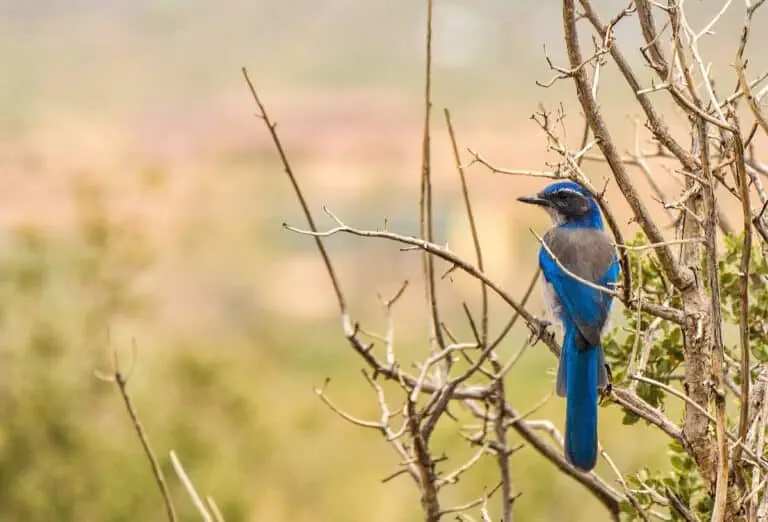
One of the great rewards of visiting a Wildlands preserve is the opportunity to experience wildlife in its natural habitat.

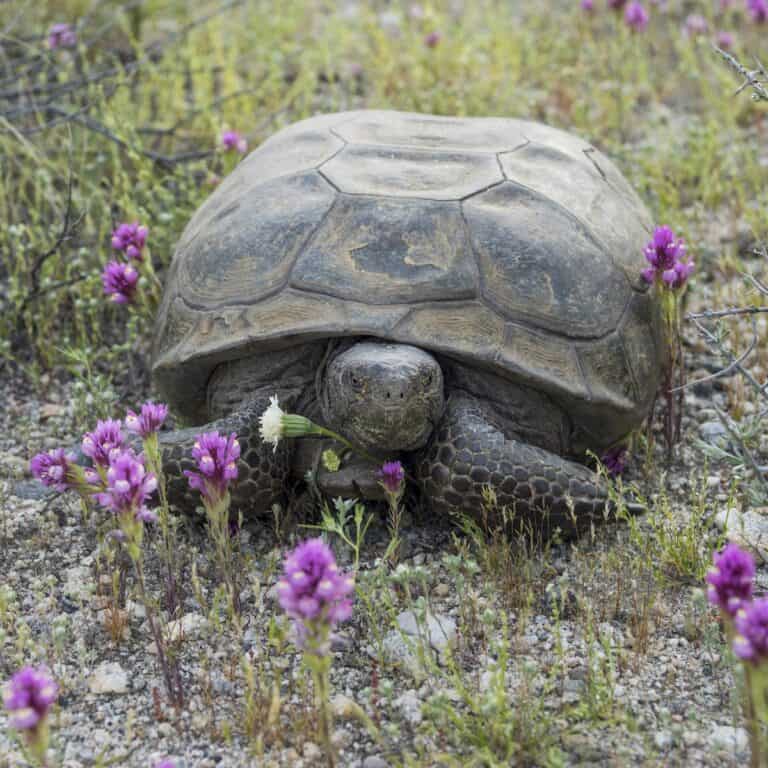
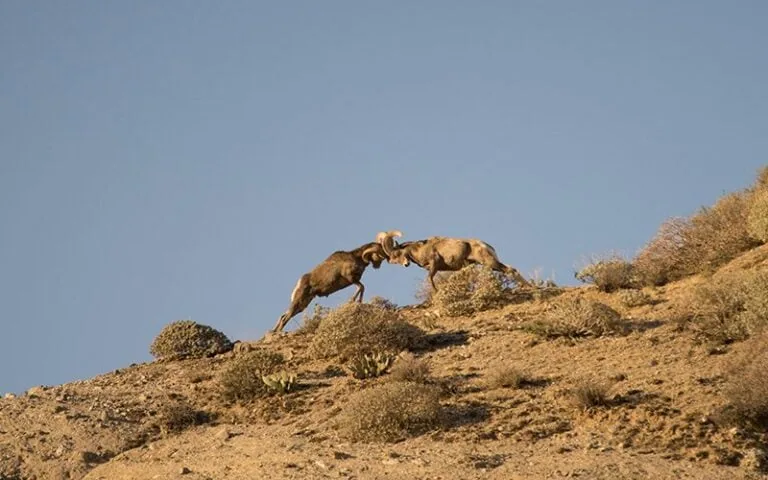
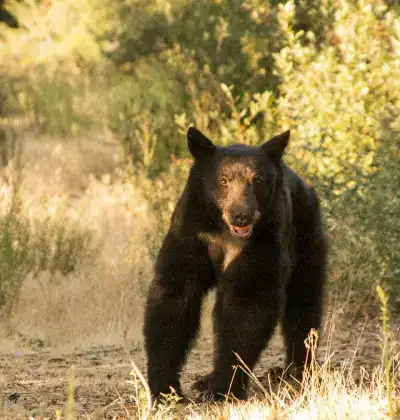
“Rattlesnakes, coyotes, bobcats, mountain lions, bears, birds, insects, and countless smaller creatures belong to these landscapes. Catching a glimpse of wildlife is one of nature’s great gifts, but respect is what keeps that encounter safe and keeps wildlife wild. Please do not approach, feed, or attempt to handle wild creatures.”
— Daisy Carrillo, Preserve Manager, Wind Wolves Preserve
Always give wildlife plenty of space and allow animals to move away on their own. Stay on designated trails, watch where you place your hands and feet, and never touch, move, corner, or feed wild animals.
While dogs are always welcome at Wildlands’ preserves, they must remain on leash. A leash protects your dog, other visitors, staff, and the wildlife that call these preserves home.
Fire Prevention is Preserve Protection
Summer brings increased wildfire risk across much of the West. To help protect these extraordinary landscapes, fires of any kind are prohibited at Wildlands preserves during the summer season.
“Most people do not think there is a fire risk along the California coast, but all it takes is one spark and the coastal prairie at Jenner Headlands could be up in flames. This work is personal to me. We have had three consecutive years of wildfires that have scarred this community, and Wildlands has made a commitment to wildfire resiliency by constructing shaded fuel breaks and using prescribed fire to reduce vegetation buildup that can fuel catastrophic wildfires.”
— Ryan Berger, Preserve Manager, Jenner Headlands Preserve and Estero Americano Coast Preserve
Whether you’re visiting the coast, the mountains, the desert, or a river corridor, following preserve regulations and avoiding ignition sources helps protect wildlife, neighboring communities, and years of stewardship and restoration work.
If you see smoke or fire, leave the area immediately and call 911 or notify preserve staff. Early reporting can help protect lives, wildlife, and the landscapes entrusted to our care.
Protecting the Places We Share
Every visit to a Wildlands preserve is an opportunity to experience nature — and to help care for it. Simple actions, from staying on designated trails and respecting wildlife to packing out everything you bring with you, help preserve the beauty and ecological health of these remarkable places.
Leaving natural areas cleaner than you found them protects habitat, reduces hazards for wildlife, and ensures every visitor can enjoy the same sense of wonder you experienced. Whether it’s a snack wrapper, a water bottle, or even biodegradable items like fruit peels, everything brought into a preserve should leave with you.
Reading and following posted preserve guidelines is another important part of good stewardship. Some preserves have seasonal closures, trail restrictions, or other measures designed to protect sensitive habitats, wildlife, or ongoing restoration projects. By respecting these guidelines, visitors become partners in caring for the land and helping ensure these places remain healthy and welcoming for generations to come.
Before You Go, Ask Yourself…
- What do I need to do to prepare for my outdoor adventure?
- What do I need to bring to stay safe?
- How can my visit help protect this place for the next child, family, and every visitor who comes after me?
Summer in the preserve system is beautiful, but it can also be unforgiving. Planning ahead, respecting the land, and following preserve guidelines help ensure a safe, enjoyable, and memorable visit while protecting the landscapes that make these places so special. We look forward to welcoming you this summer.