About Us
Donate
To preserve the beauty and biodiversity of the earth and to provide programs so that children may know the wonder and joy of nature
About Us
We protect land through acquisition and advocacy, safeguarding ecological connectivity and vast natural landscapes. Many of these places are part of a growing system of nature preserves, where this work continues through permanent stewardship.
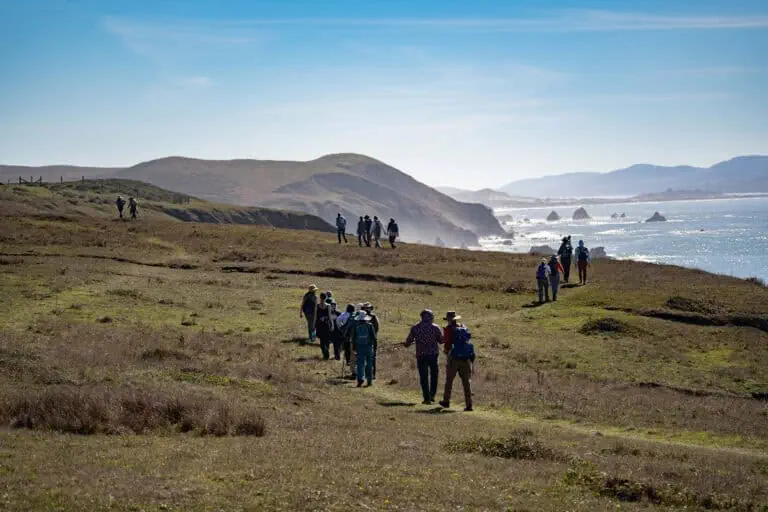
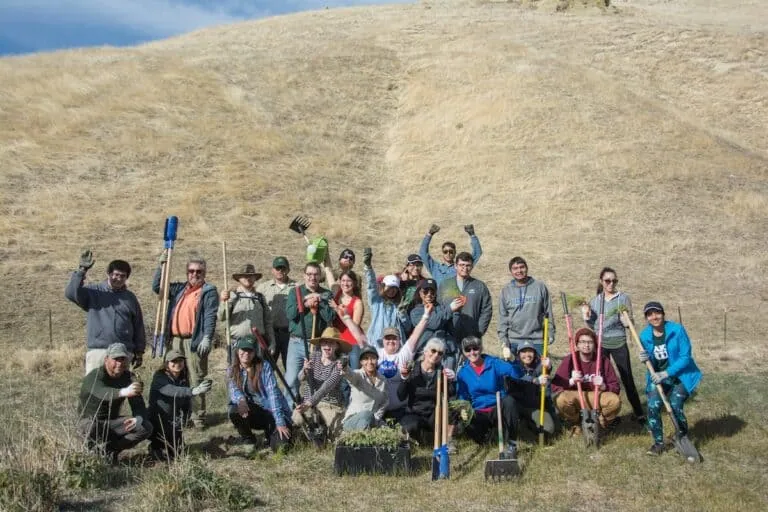
At our preserves, we manage the land, restore native habitats, and rewild species, working with nature to rebuild healthy, functioning ecosystems. These places are open to all, free of charge, and through outdoor education for youth, we create opportunities for those who have been disconnected from nature or have not yet had the chance to experience it.
This work is made possible through a community of support, including individuals, foundations, and partners. However you choose to take part—through giving, volunteering, or visiting our preserves—you are helping to ensure these places remain protected, cared for, and open to all.
Our Pillars
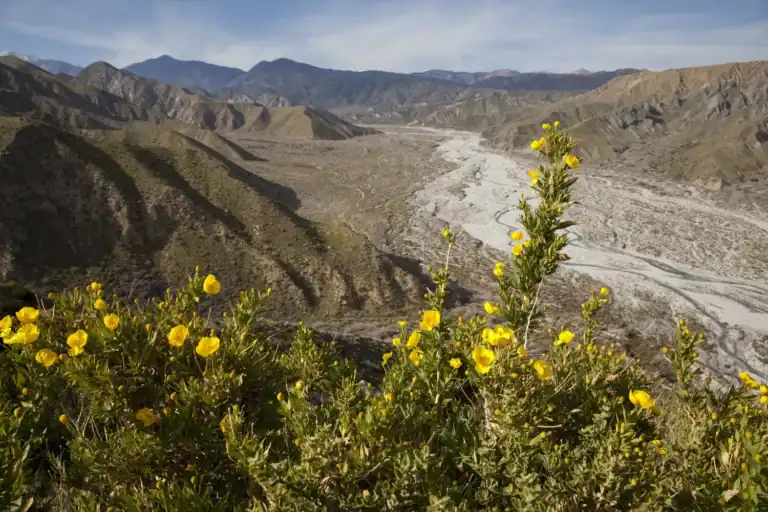
We protect land through acquisition, complemented by advocacy when needed, securing landscapes that are increasingly at risk. By holding land in fee, we are able to carry out our deepest conservation vision — restoring habitats, rewilding native species, and providing free public access and outdoor education.
Our preserves and programs are open to all people for free every day, reducing the socio-economic barriers that promote disconnection from the natural world.
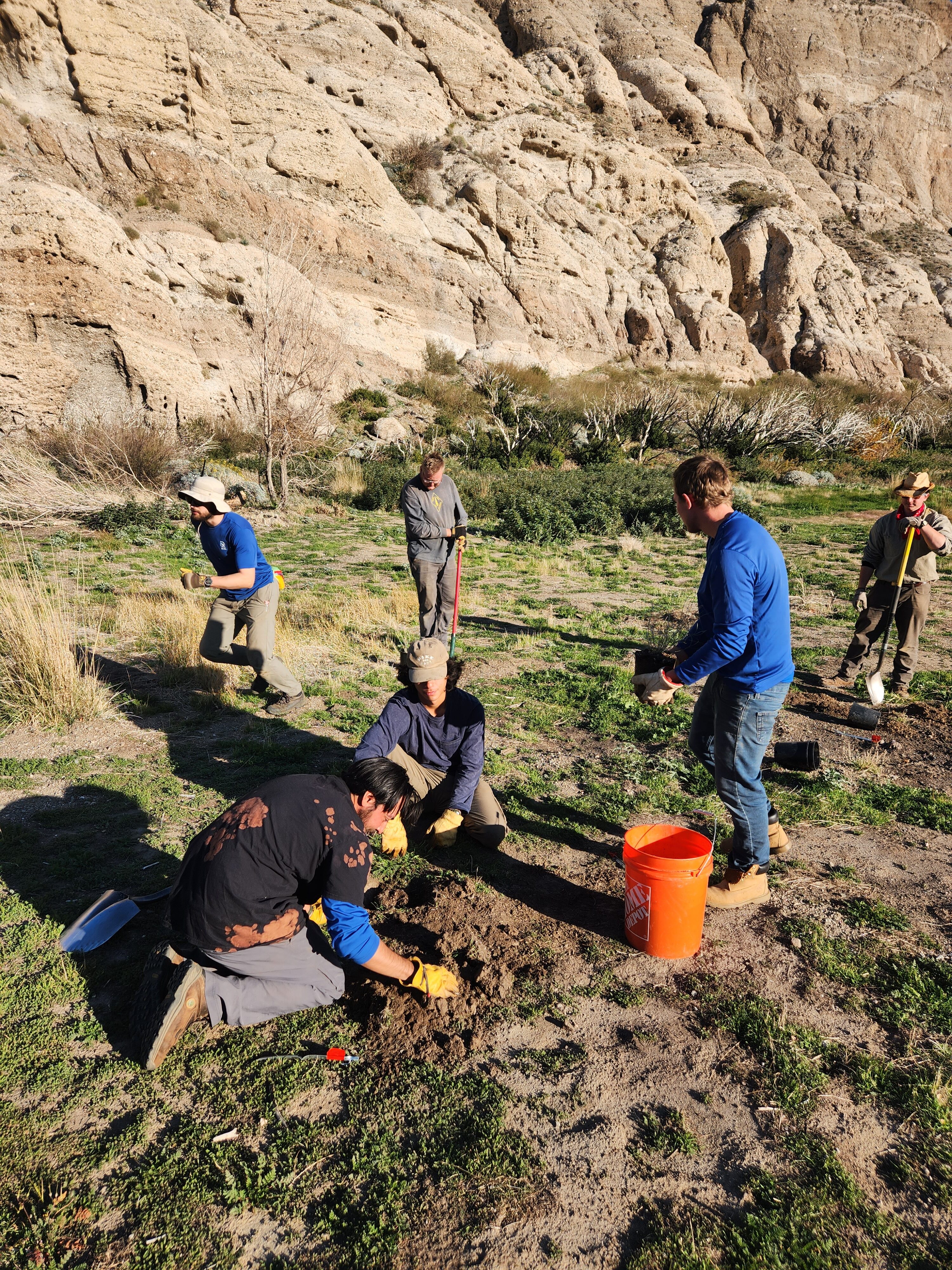
We restore lands impacted by past use, working with nature to rebuild healthy, functioning habitats. Through rewilding, we restore the ecological processes that sustain these systems and, when conditions are right, return native species.
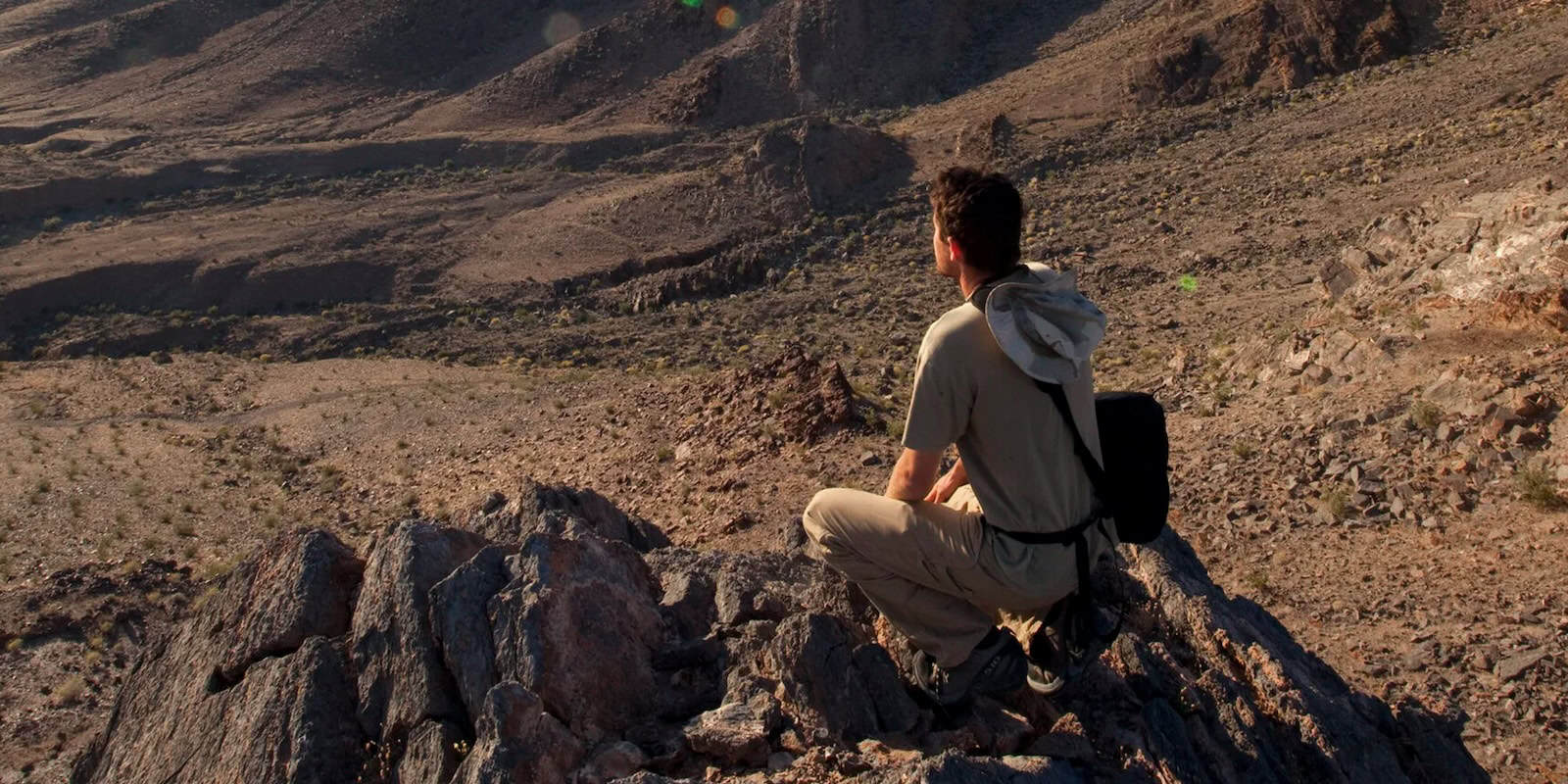
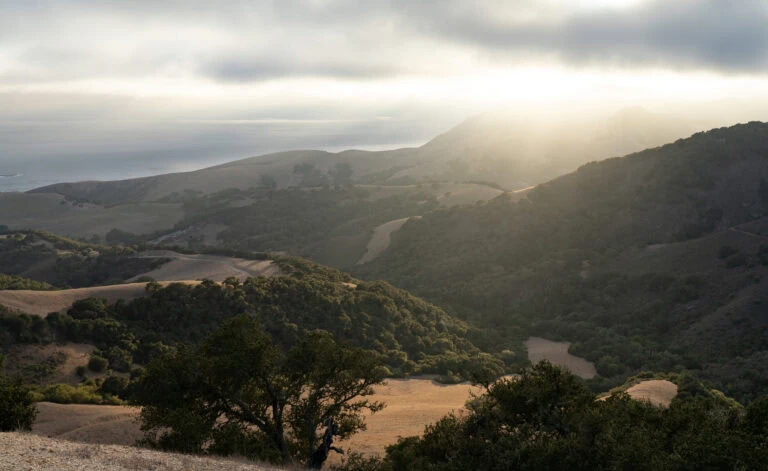
Our preserves are open to all, free of charge, every day. We remove barriers so people can experience, explore, and connect with the natural world through hiking, camping, birding, and other forms of quiet recreation.
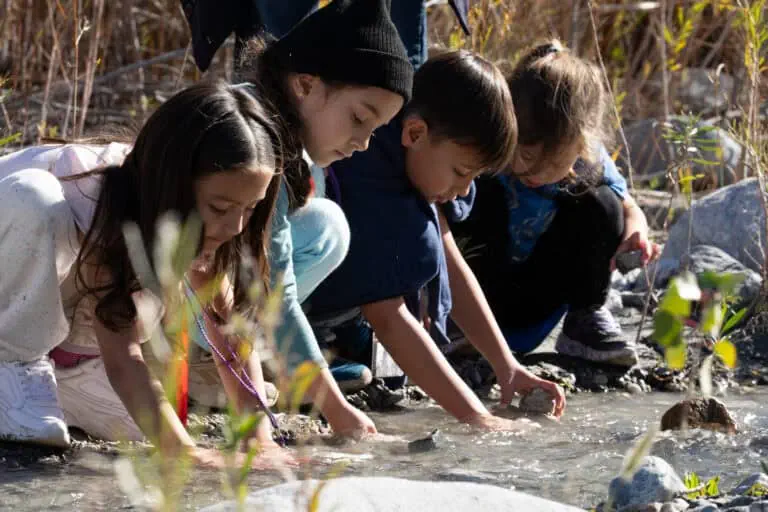
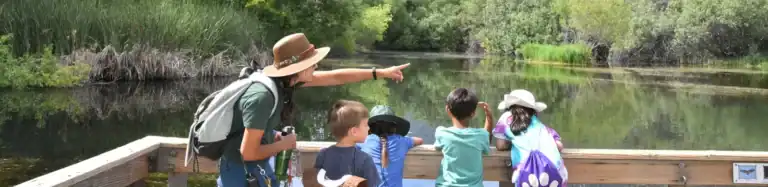
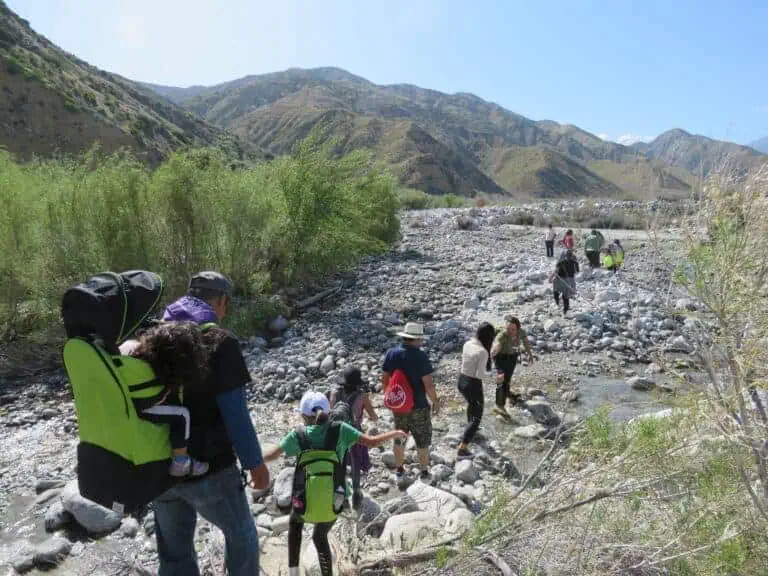
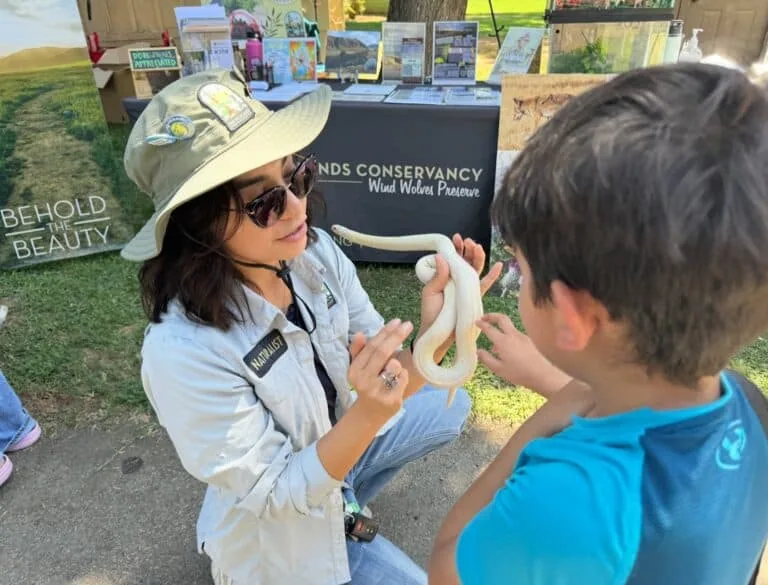
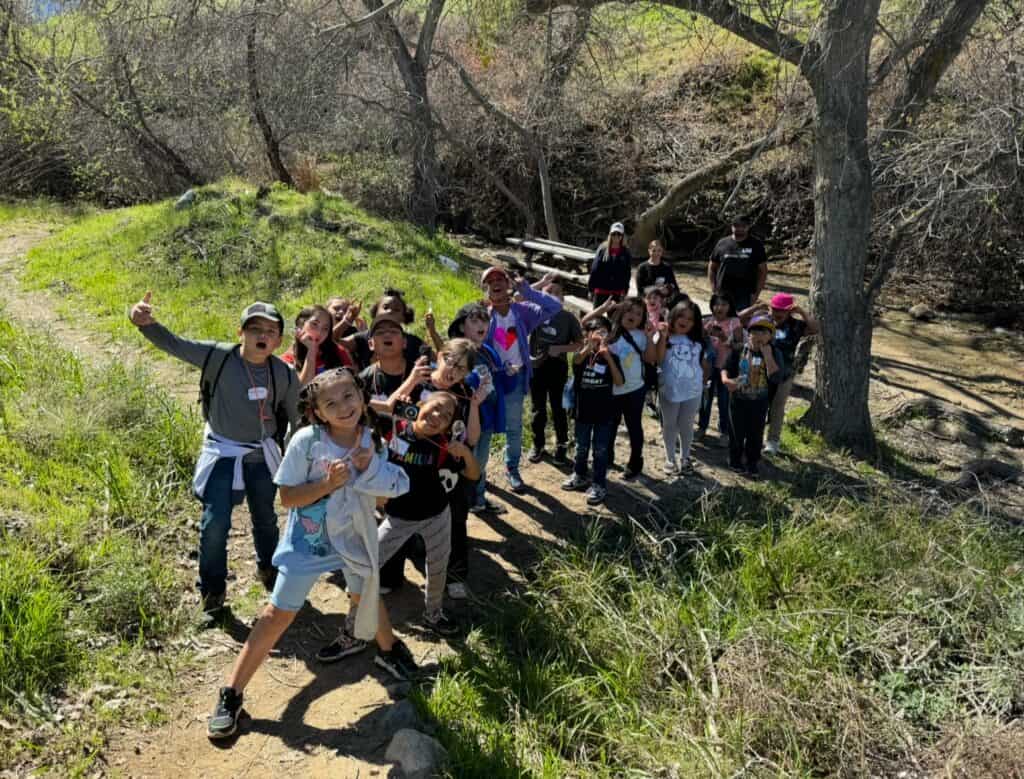
We provide free, hands-on outdoor education that connects young people to nature, with a focus on serving youth from under-resourced communities. These experiences foster curiosity, confidence, and a lasting connection to the natural world.
Wildlands History
This timeline celebrates three decades of collective impact — conserving wildlands, restoring habitats, rewilding species, expanding public access, and inspiring future generations to care for the natural world.
1995
Established as a nonprofit 501(c)(3) organization to preserve the beauty and biodiversity of the earth and to provide programs so that children may know the wonder and joy of nature.

1995
Originally named Pipes Canyon Preserve, The Wildlands Conservancy’s first conservation acquisition of 25,500 acres establishes the largest privately owned wilderness.
1995
At the crossroads of the Sonoran and Mojave deserts, this oasis hosts lush wetlands, endangered songbirds, diverse wildlife, spring wildflowers, and trails linking to the Pacific Crest Trail near the historic Stone House Group Campground.
1996
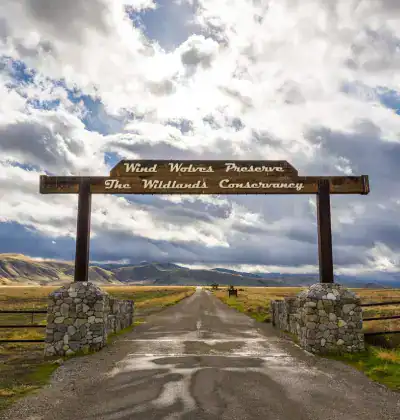
The 93,000 acres link five major California regions, creating one of the state’s largest wildlife corridors and refuges for endangered species. Volunteers restore miles of streams and plant tens of thousands of natives. Habitat improvements benefit burrowing owls, San Joaquin kit foxes, blunt-nosed leopard lizards, and tule elk, which were reintroduced in 1998 and now number more than 500.
1996
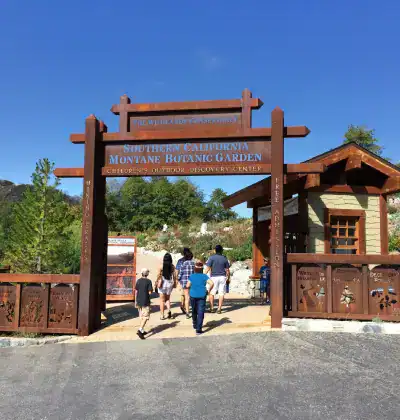
Saved from development, this preserve anchors The Wildlands Conservancy’s Southern California Montane Botanic Garden, Children’s Outdoor Discovery Center, and historic Los Rios Rancho Apple Farm, welcoming more than 600,000 visitors each year to its trails, diverse habitats, and scenic mountain backdrop.
1996
Through advocacy and partnerships, protects private inholdings in Southern California’s “Saints” — the Santa Ana, San Gabriel and the San Bernardino mountains — to keep these beloved national forests intact, accessible, and thriving.
1997
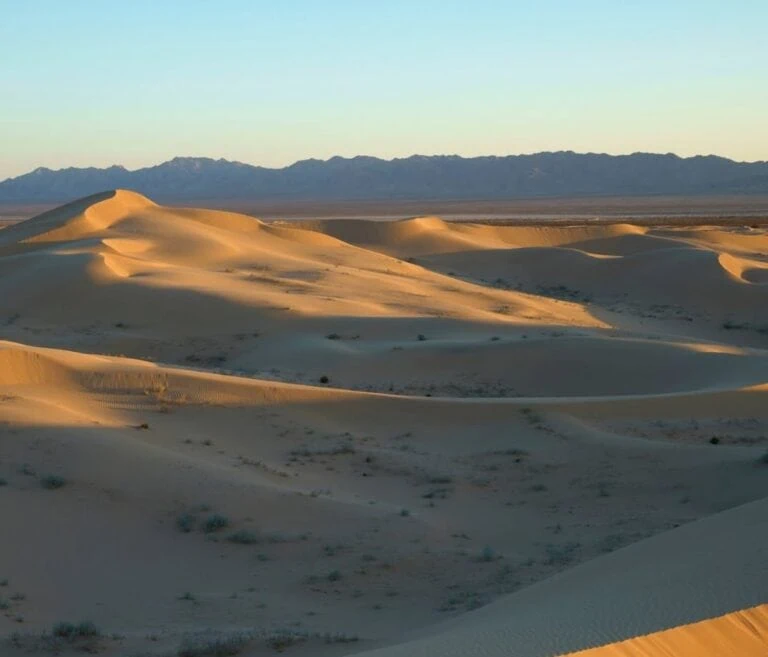
From 1997-2002, this acquisition project was made possible through $45 million in private and public funding, The Wildlands Conservancy donates the largest private land gift in U.S. history to permanently protect 587,000 acres in the Mojave Desert.
1998
Continuing to this day, this project is a decades-long effort to complete a 110-mile trail from the San Bernardino Mountains to the Pacific, expanding public access, restoring habitat, and creating parks along Southern California’s largest river.
1998
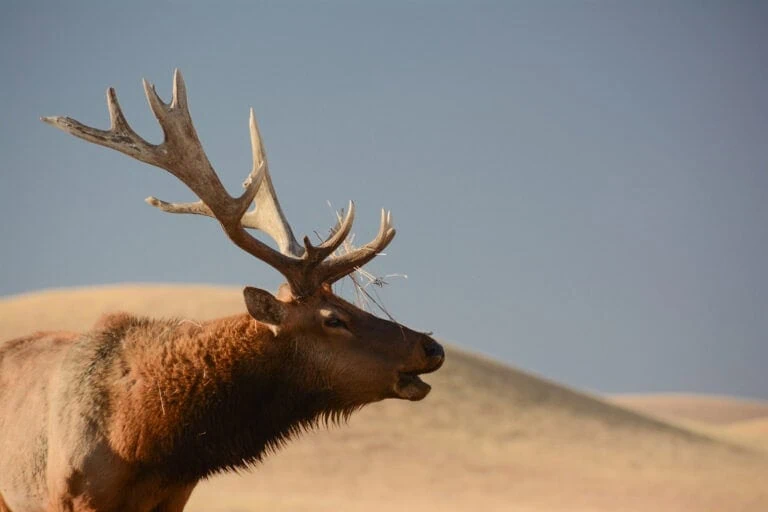
Tule elk are reintroduced to Wind Wolves Preserve, beginning with just 19 animals. Today the herd has grown to nearly 500, demonstrating the power of rewilding to restore species and habitats while benefiting other wildlife and enhancing the preserve’s ecological balance.
1998
Wildlands launches its first staff-led outdoor education program, creating a model of free, hands-on learning that has since connected more than 225,000 children to nature.
2000
This rare montane wetland and surrounding forest in the San Bernardino Mountains, protects endangered species habitat supporting mountain yellow-legged frog and unarmored threespine stickleback.
2000
A $4.2 million dollar project that permanently protects a critical linkage between Chino Hills State Park and the Santa Ana Mountains, securing safe passage for mountain lions and other wildlife in one of the nation’s most threatened urban regions.
2002
This rugged 600 acres hosts rare wildlife and a group campground, offering a wild setting where habitat is protected and people can connect with nature.
2002
California Desert Land Acquisition
The program has since reached nearly 175,000 youth.
2005
The Wildlands Conservancy’s first Northern California preserve, Spyrock protects a stretch of the Eel River and helped lay the groundwork for the Emerald Necklace vision.
2005
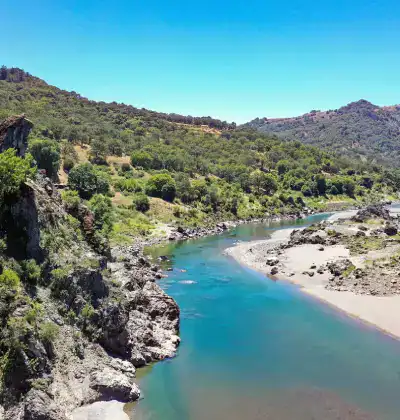
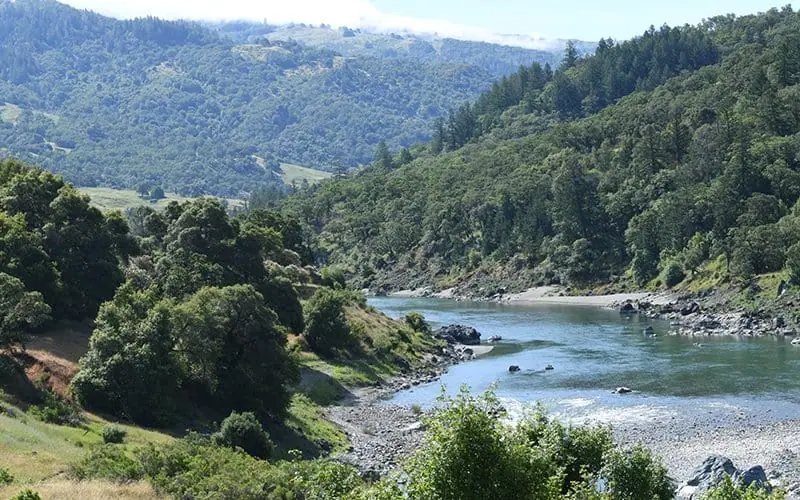
Launched with the Spyrock Reserve acquisition, this ongoing project envisions a chain of preserves along 110 miles of the Wild and Scenic Eel River. Today, five locations are protected, with ongoing conservation advancing the vision and supporting the Great Redwood Trail.
2005
Eight hundred acres of grassland and sycamore savanna protect habitat for mountain lions and rare birds, while trails invite people to hike and bike among spring wildflowers.
2006
Acquired through a partnership with Friends of the Desert Mountains and the Coachella Valley Mountains Conservancy, this preserve protects a desert oasis and gateway into Sand to Snow National Monument, offering outdoor education, camping, and access to the Pacific Crest Trail.
2008
The acquisition is a result of the dedicated four-year effort by the Sonoma Land Trust and Sonoma County Ag + Open Space. Five other funding sources include the California Coastal Conservancy, the California Wildlife Conservation Board, the National Oceanic and Atmospheric Administration, the Gordon and Betty Moore Foundation, and Forest Legacy Program. The Wildlands Conservancy loaned and guaranteed loans totaling $10.6 million to ensure this acquisition when funding was threatened.
2008
This 1,300-acre estuary protects tidal wetlands, dunes, and grasslands that sustain diverse wildlife, and is the site of the largest coastal wetland restoration on private land.
2008
Nearly 50,000 children have participated in free programs here.
2008
After delivering 30,000 postcards in opposition, the campaign stops Los Angeles Department of Water and Power’s proposed Green Path North transmission corridor from the eastern Mojave to Los Angeles, protecting habitat and viewsheds at Pioneertown Mountains and Oak Glen preserves.
2009
An advocacy campaign to establish Mojave Trails and Sand to Snow national monuments builds on the California Desert Land Acquisition. Wildlands rallies support with a road trip across Historic Route 66, which runs through the heart of the Mojave, and hosts a pivotal public meeting at Whitewater Preserve, where 1,000 people gather with Senator Dianne Feinstein.
2013
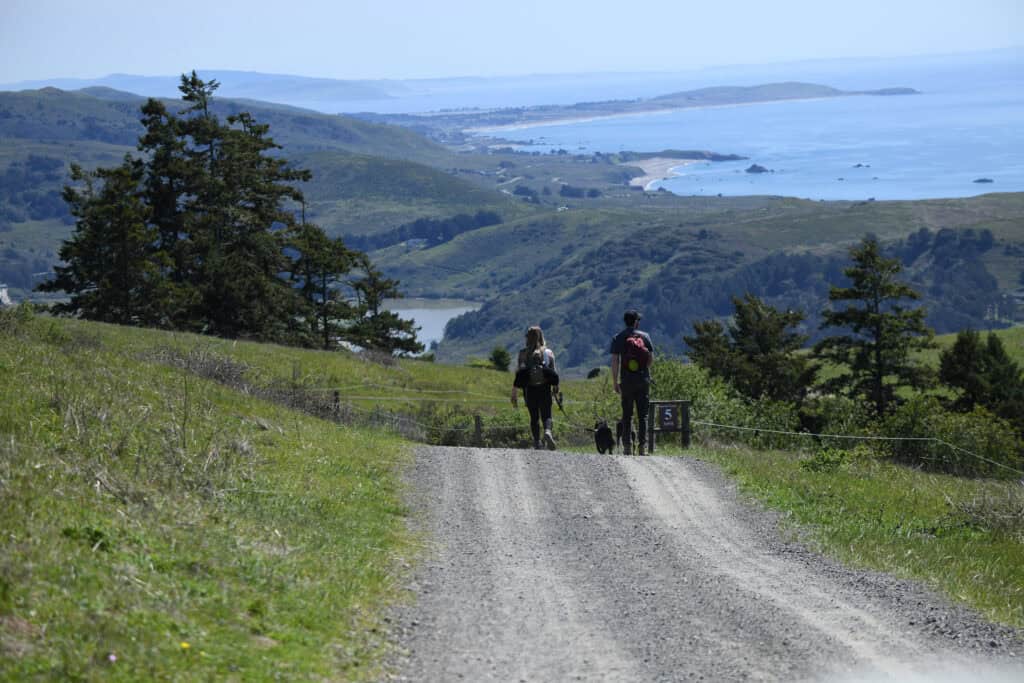
The 5,630-acre Jenner Headlands transfers to The Wildlands Conservancy and is a model on the Sonoma coast for restoration and public access.
2015
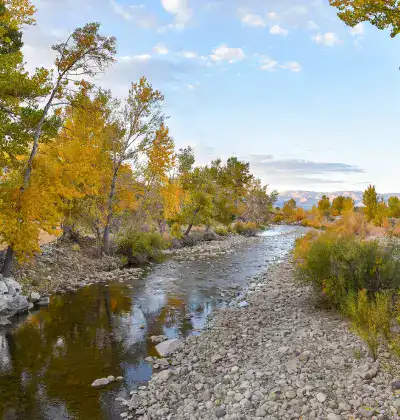
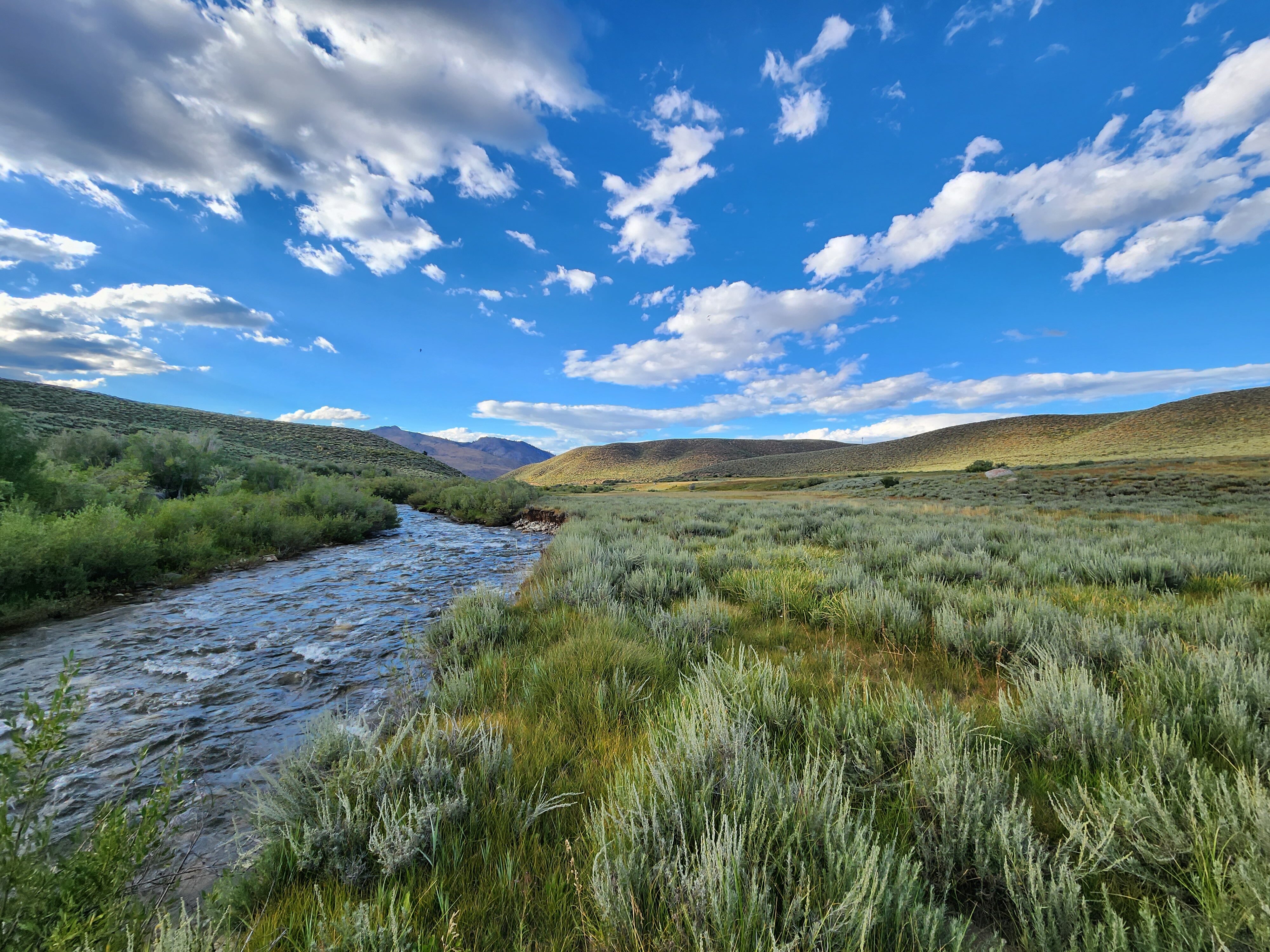
The first Eastern Sierra Nevada acquisition, this preserve protects rivers, wetlands, forests, and sagebrush steppe at the confluence of the Little Walker and West Walker Rivers, sustaining sage grouse, trout, mule deer, mountain lions, and other wildlife.
2015
In partnership with Sonoma County Ag + Open Space, Sonoma Land Trust, and the Gordon and Betty Moore Foundation, The Wildlands Conservancy acquires the preserve to safeguard vital tidal marshes, eelgrass beds, and coastal habitats that support endangered steelhead, tidewater goby, and California red-legged frogs.
2016
Mojave Trails and Sand to Snow national moments are designated by President Obama on February 12, 2016, after years of advocacy led by The Wildlands Conservancy alongside Senator Dianne Feinstein and a broad coalition of supporters.
2018
This 1,384-acre preserve, which includes five miles of the last undammed river in Southern California, was acquired with public funding after The Wildlands Conservancy lobbied for a callout for the acquisition in Prop 68.
2019
The Preserve protects rare riparian habitat and native vegetation, providing a refuge for bear, deer, bobcats, and quail, while also offering anglers access to the West Walker River.
2019
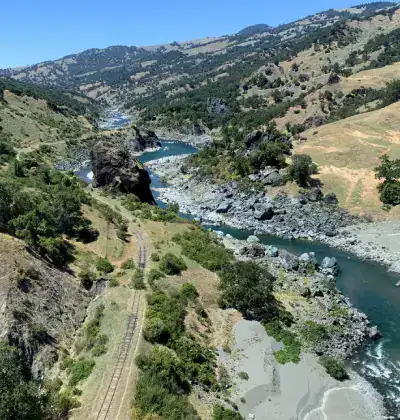
The preserve protects 4.5 miles of the Wild and Scenic Eel River, safeguarding salmon and steelhead habitat and adding another link in the Eel River Emerald Necklace.
2019
Redwood forests and rugged coastline define the Preserve, where sea lions and harbor seals thrive and a future environmental campground will welcome visitors to experience this wild coastal landscape.
2021
This 29,600-acre preserve protects 10 miles of the Wild and Scenic Eel River, safeguarding riverfront forests and wildlife — including elk, steelhead, and salmon. Just south of Emerald Waters, it adds another link in the Eel River Emerald Necklace and will anchor this stretch of the envisioned Great Redwood Trail.
2021
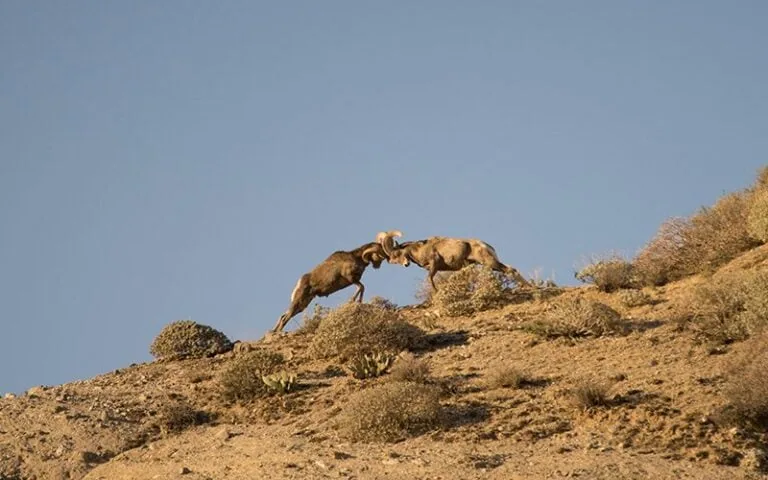
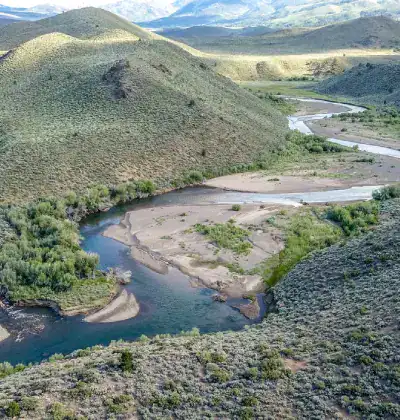
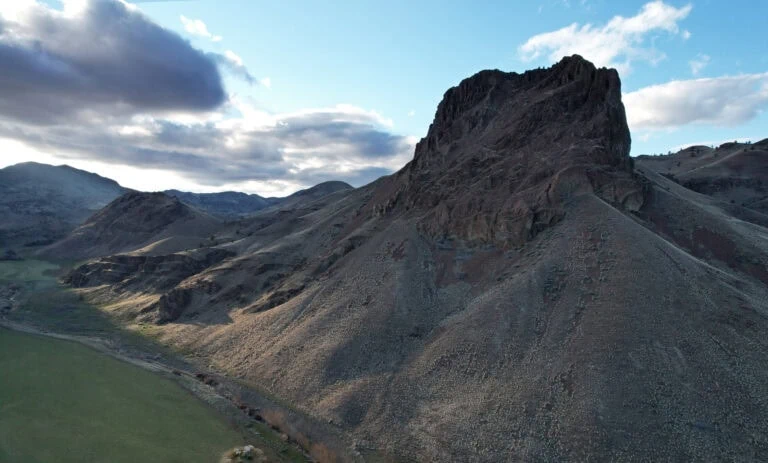
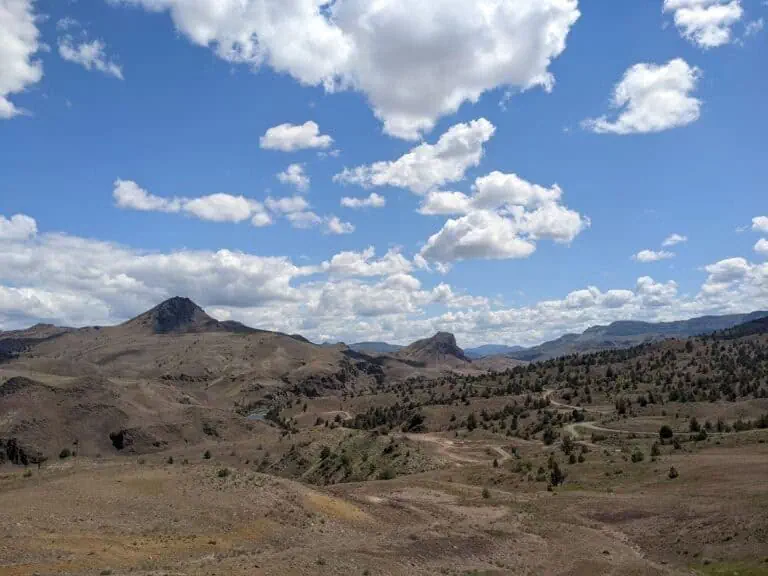
The first acquisition outside California, this 14,000-acre preserve protects a dramatic stretch of the Wild and Scenic John Day River in Oregon, where striking geology and desert grasslands provide habitat for bighorn sheep, golden eagles, and native fish. A number of restoration projects are already underway to enhance the river and surrounding landscape.
2021
Acquired in partnership with the David and Lucile Packard Foundation and the Trust for Public Land, the Preserve protects forests and streams critical for coho salmon and steelhead, while supporting broader watershed restoration efforts.
2023
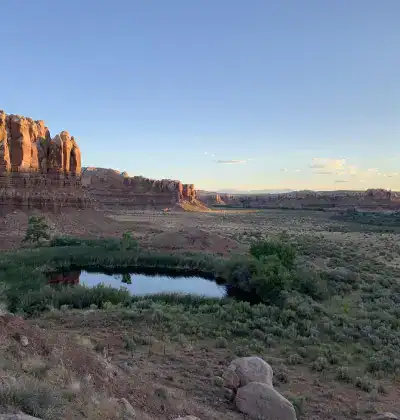
Situated within Bears Ears National Monument, the Preserve protects a red rock canyon with cultural sites and desert springs and is co-stewarded with the Bears Ears Inter-tribal Coalition. Its strategic location provides public access into the greater region.
2023
Rana Creek Preserve in the upper Carmel Valley protects rolling oak woodlands, grasslands, and headwaters, and is co-stewarded with the Esselen Tribe of Monterey County. In 2025, The Wildlands Conservancy facilitated the return of 1,720 acres of ancestral lands along Tularcitos Creek to the Tribe, strengthening cultural and ecological stewardship.
Make an Impact
Given the chance, land heals. We remove what doesn’t belong, return what does, and restart the natural processes that make ecosystems whole. Your gift gives nature that chance.
Our Newsletter
Thirty years of protecting land, restoring ecosystems, and opening the outdoors to everyone. We’ll share the stories when there’s something worth telling.
News
Take the first step towards your next life-affirming adventure.