
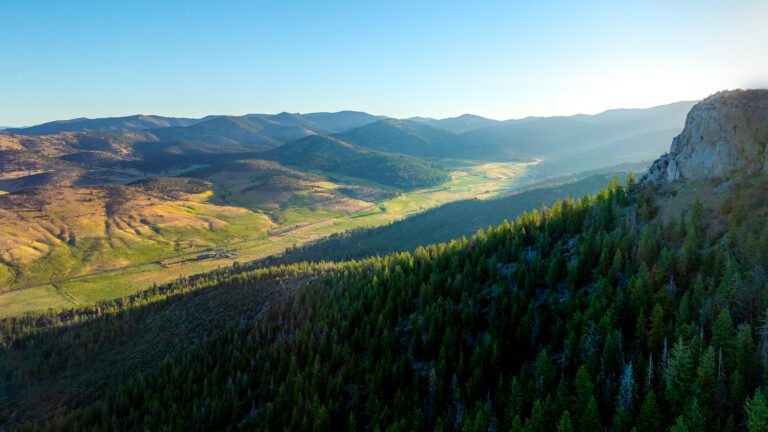

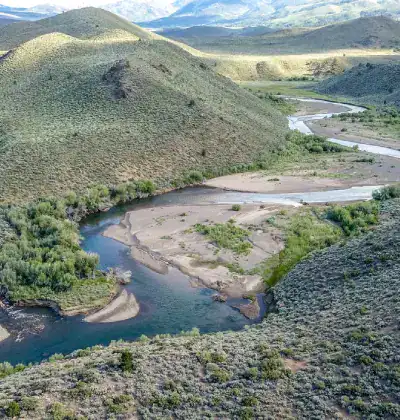
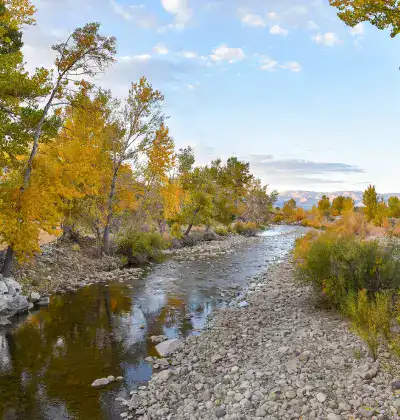
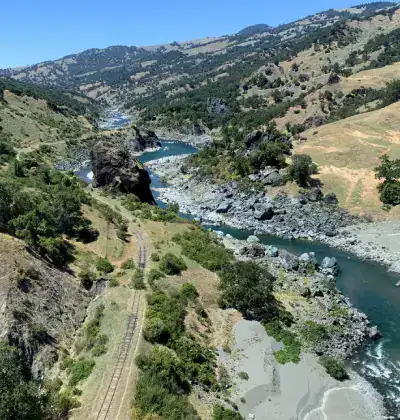
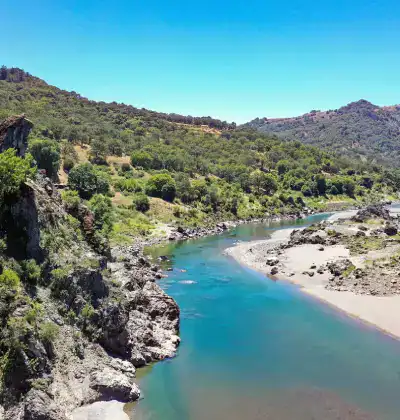
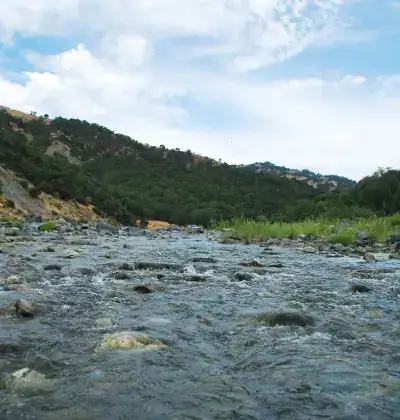
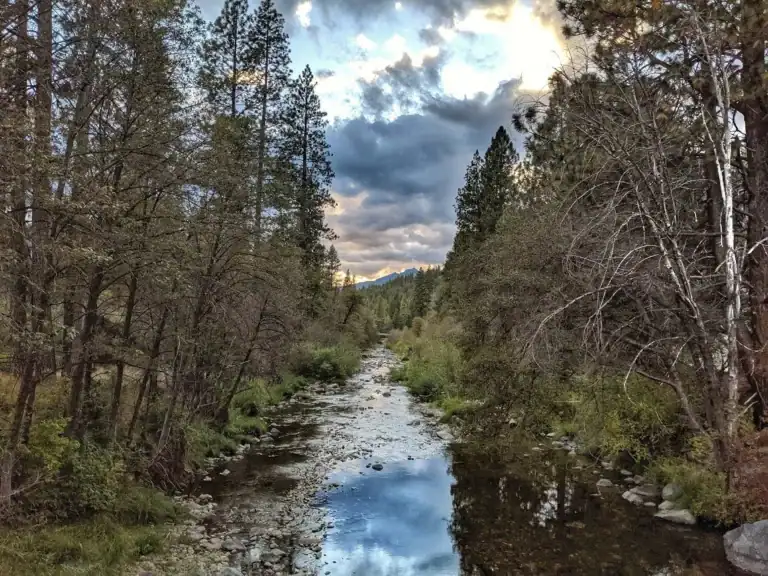
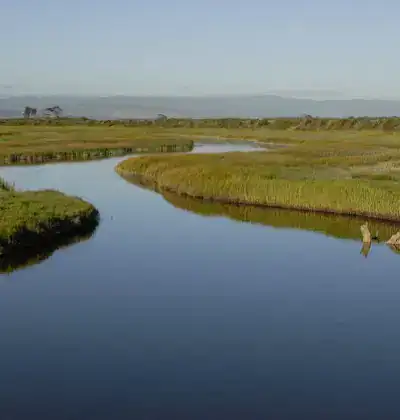
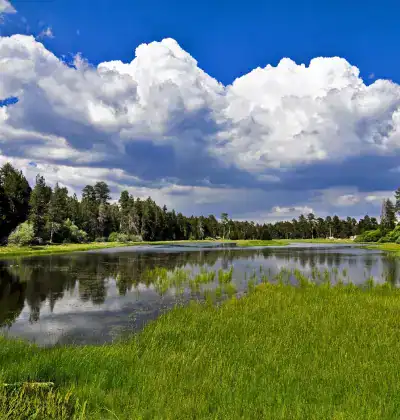
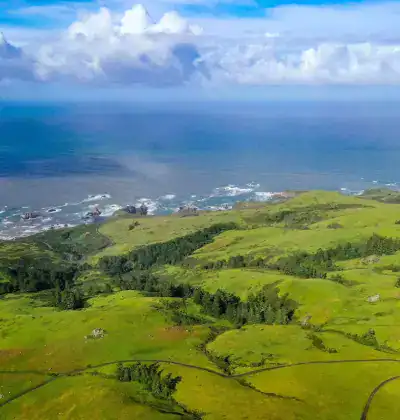
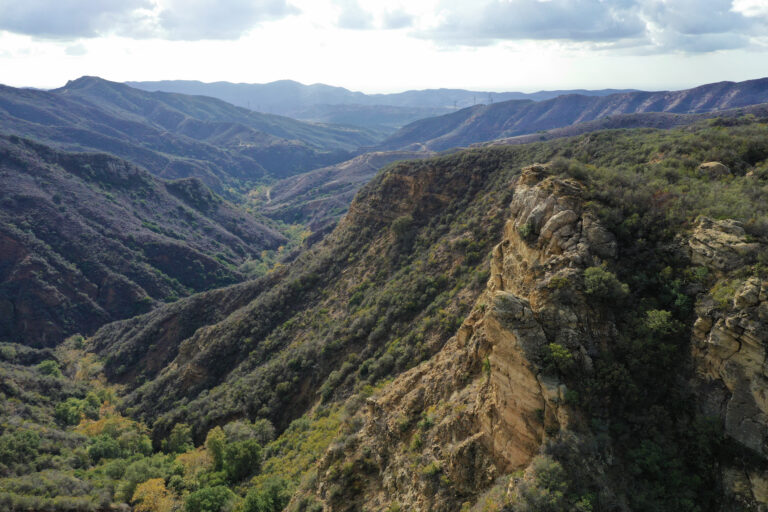
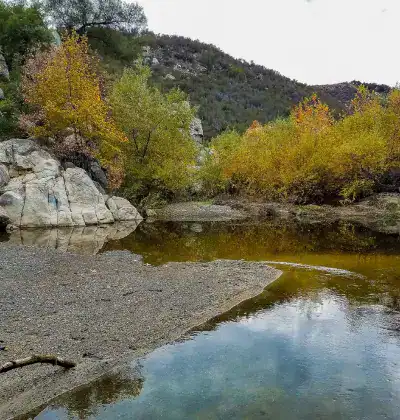
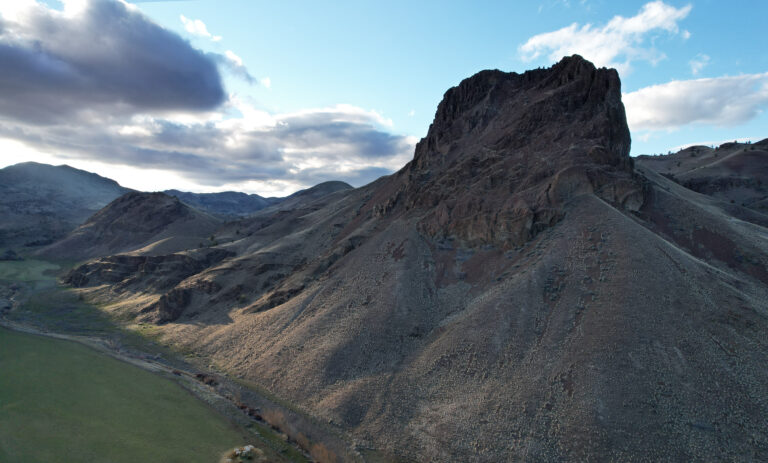


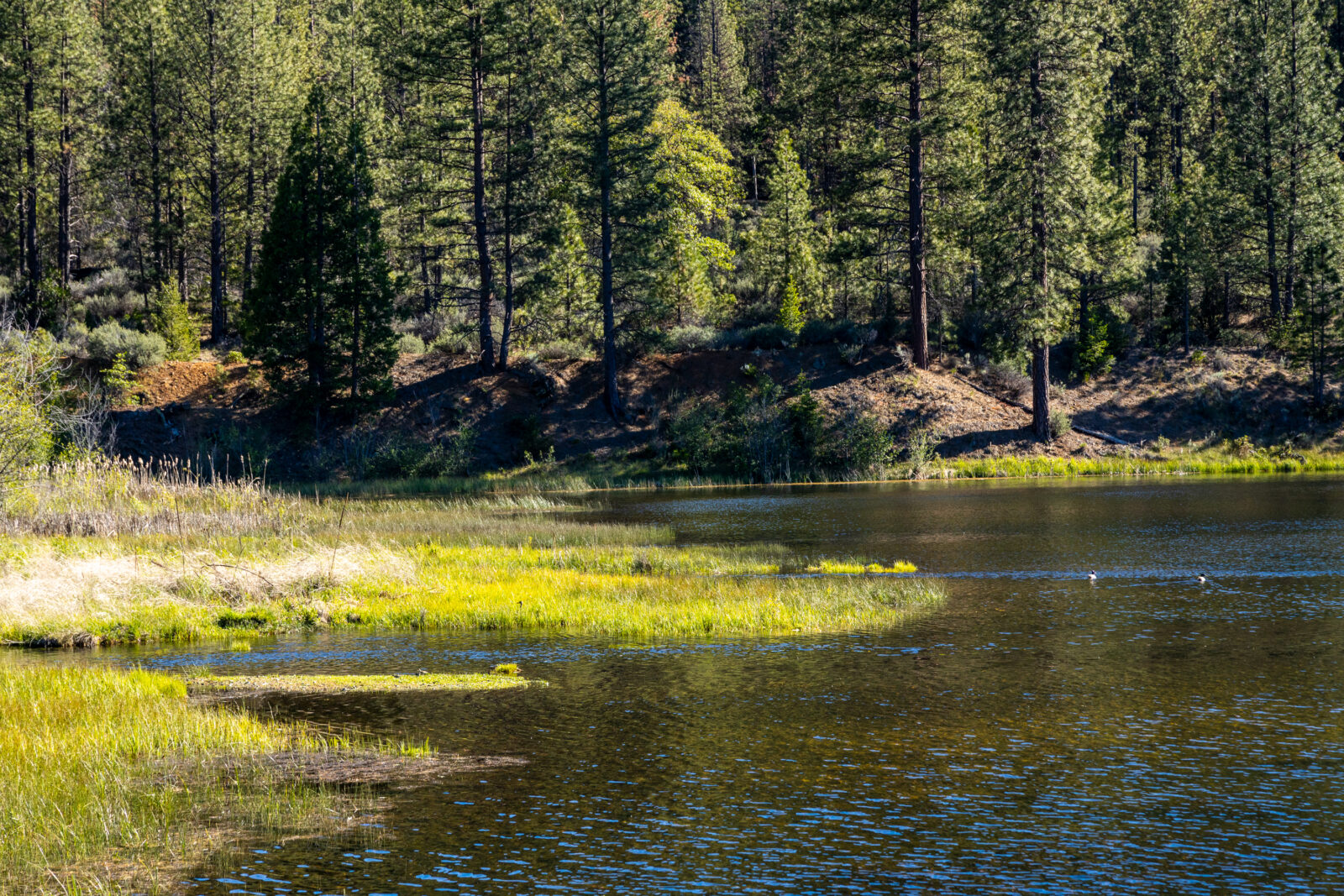
Snow-fed streams wind through the western reaches of Siskiyou County, moving through forest and open meadow before joining the East Fork of the Scott River. Along the way, cold, clean water shapes habitat that salmon and other wildlife depend on, sustaining one of the most ecologically important river tributaries in the Klamath watershed.
The Wildlands Conservancy is working to acquire the historic AP Ranch: 14,177 acres, protecting the headwaters of the East Fork Scott River and opening the door to major ecological restoration and rewilding projects. The acquisition would expand Beaver Valley Headwaters Preserve to more than 20,000 acres, and combined with a 10-year stewardship agreement on 33,000 acres of adjacent U.S. Forest Service lands, it would bring the conservation project area to over 50,000 acres, advancing coordinated stewardship across a broader landscape.
In total, the expanded Preserve would protect more than 10 miles of the East Fork Scott River and key tributaries, an ecologically rich system essential to the recovery of native fish, including coho salmon and steelhead.
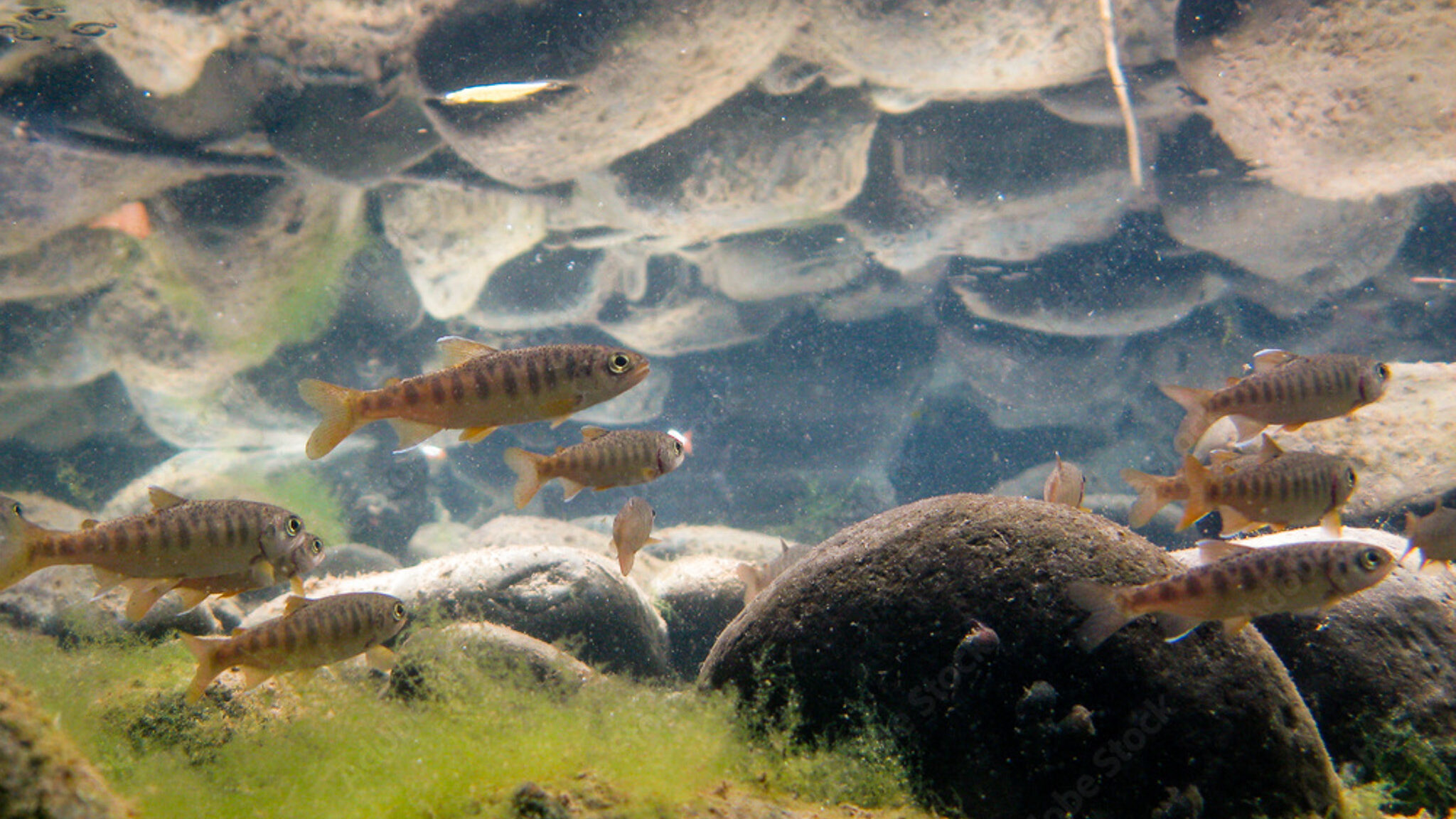
These waterways also support beaver, a keystone species that plays an important role in shaping habitat. Through dam-building, beavers slow and store water, reconnect floodplains, and create wetlands that support a wide range of species. As part of our approach to rewilding, we work with partners like the Quartz Valley Indian Reservation, the Karuk Tribe, Lomakasti Restoration Project, CalTrout, and the Scott River Watershed Council to restore habitat and species that support these natural processes, strengthening the function and resilience of the entire system.
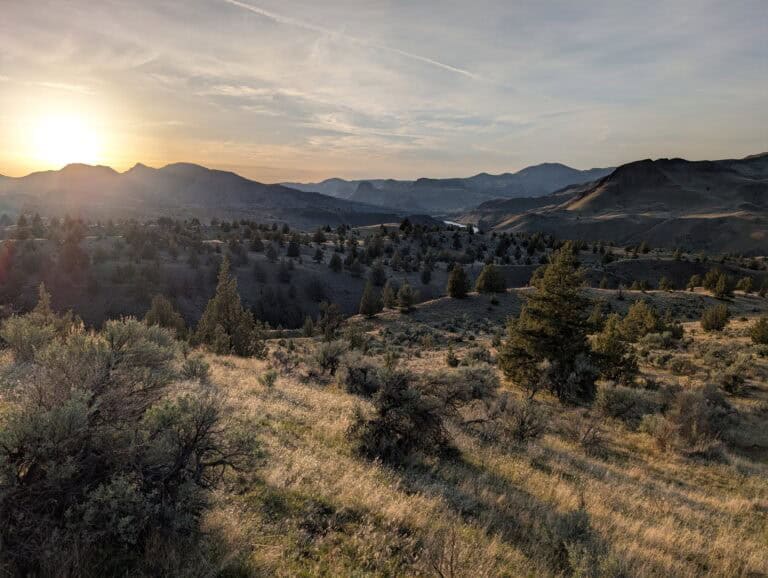
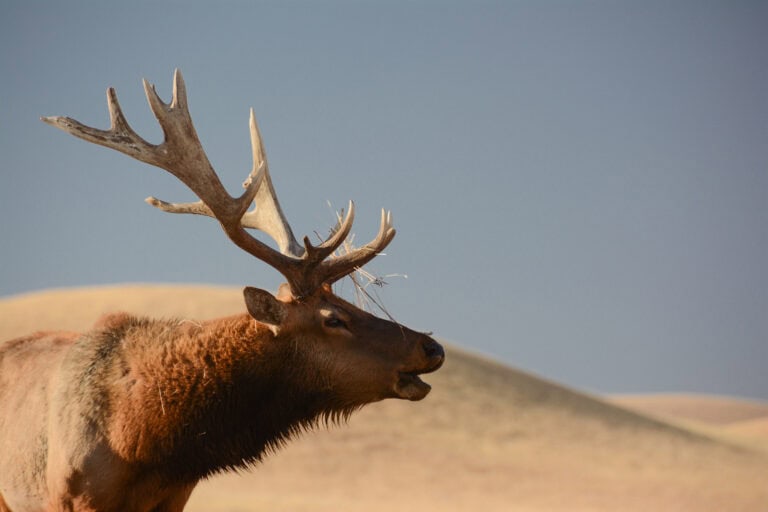
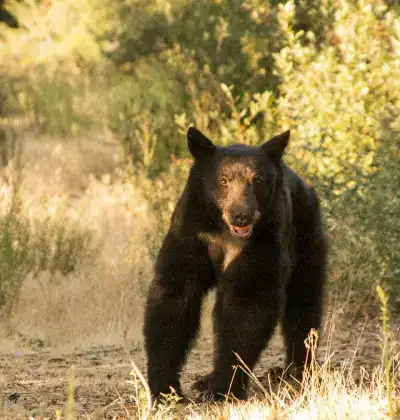
Bordering the Klamath National Forest, the landscape supports American goshawk, mountain lions, black bears, and elk, and lies within the expanding range of gray wolves. Protecting this land will help maintain a connected system where wildlife can move and thrive: through conifer forests and oak woodlands, into grassland meadows and riparian habitats.
The Wildlands Conservancy is in a critical phase of raising private and public support to secure the property and guide its long-term stewardship. Once protected, the land will be held as part of Wildlands’ preserve system and managed through a comprehensive plan focused on restoring essential habitat, supporting native species, and advancing our long-term vision to rewild this landscape and open it to the public.
Opportunities like this — where protection, restoration, rewilding, and public access come together across an entire watershed — are generational and shape the future conservation legacy of the landscape. For those looking to make a lasting impact, AP Ranch represents a chance to help shape the future of this landscape for generations to come.