
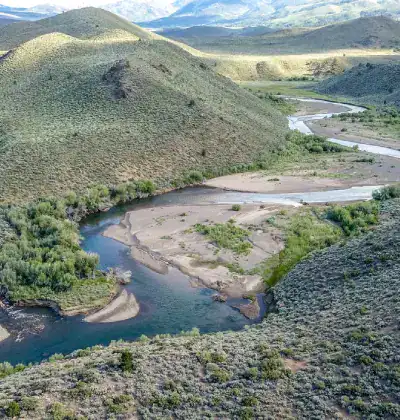
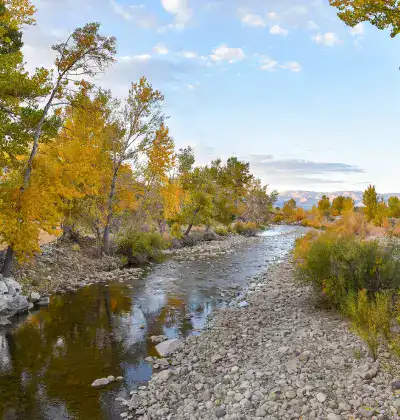
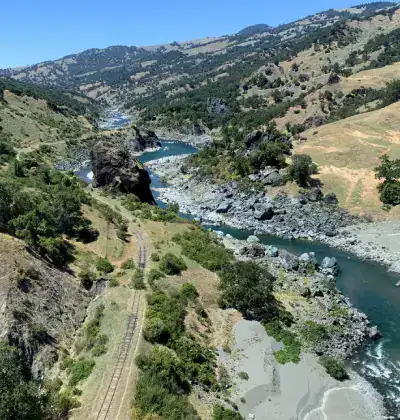
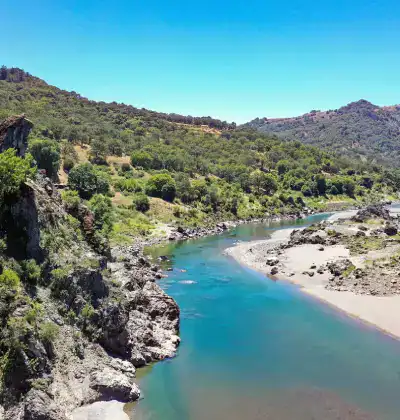
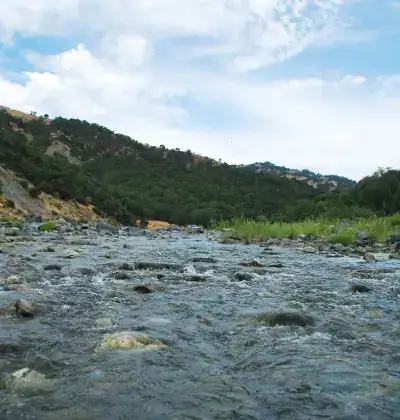
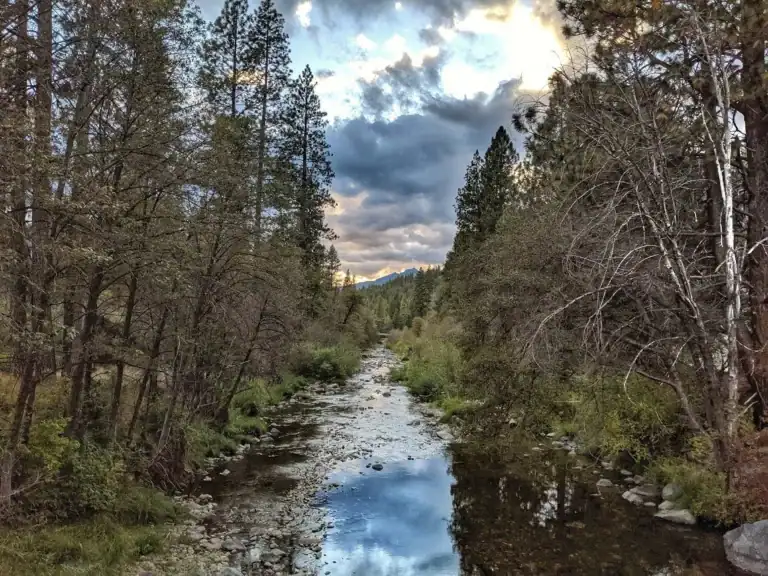
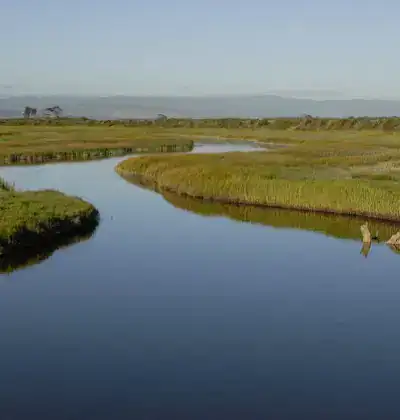
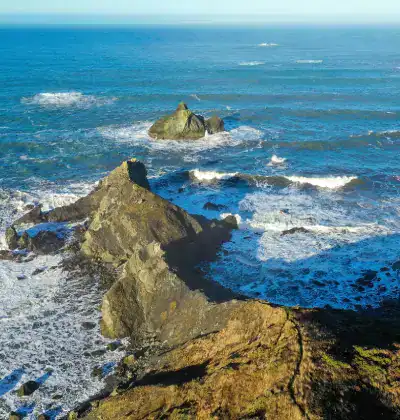
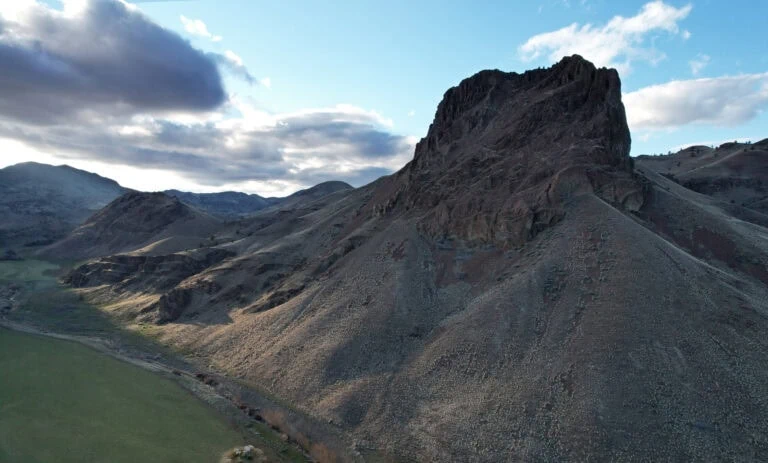
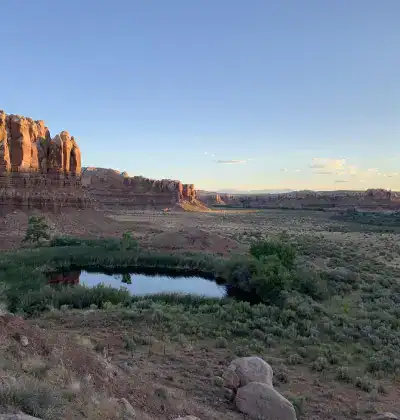
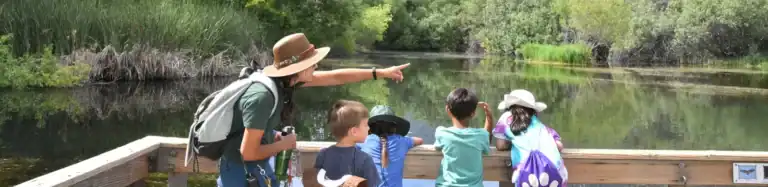
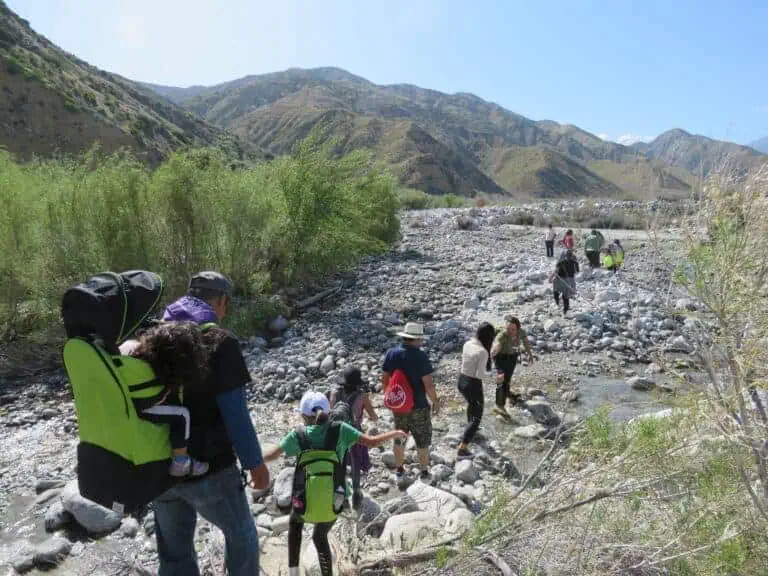
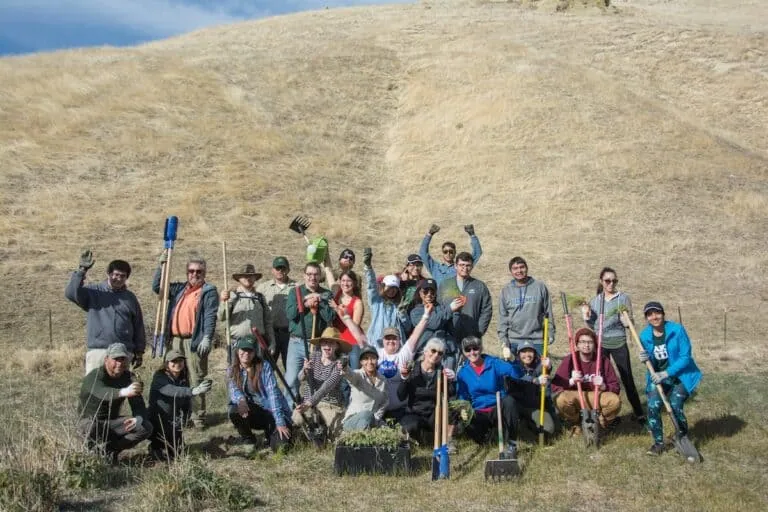

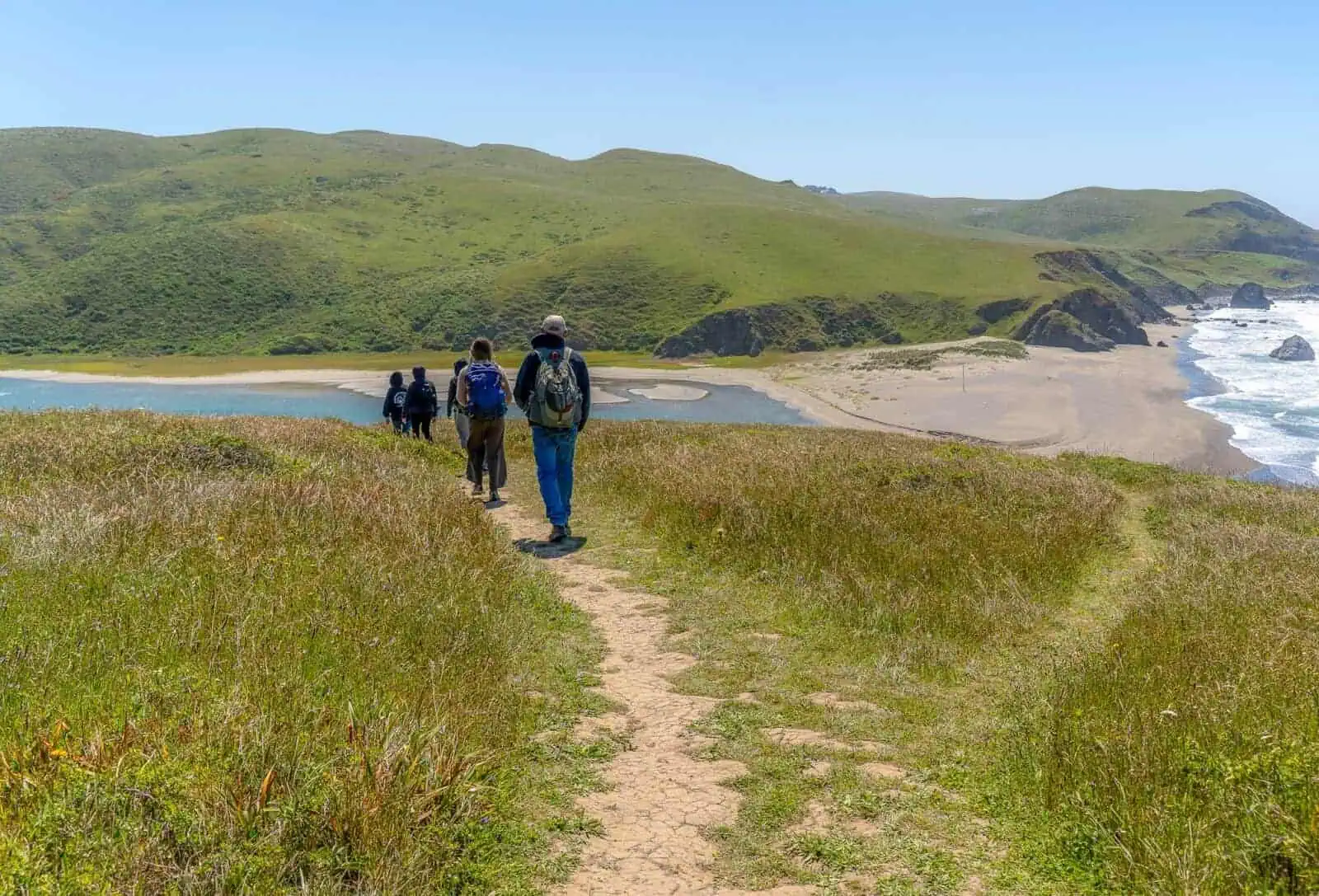
This summer, the Wildlands Conservancy is launching an ambitious, collaborative restoration project at the Estero Americano Coast Preserve to revitalize more than five acres of wetlands, reduce erosion and sedimentation, improve water quality and enhance wildlife habitat.
A Landscape Shaped by Water
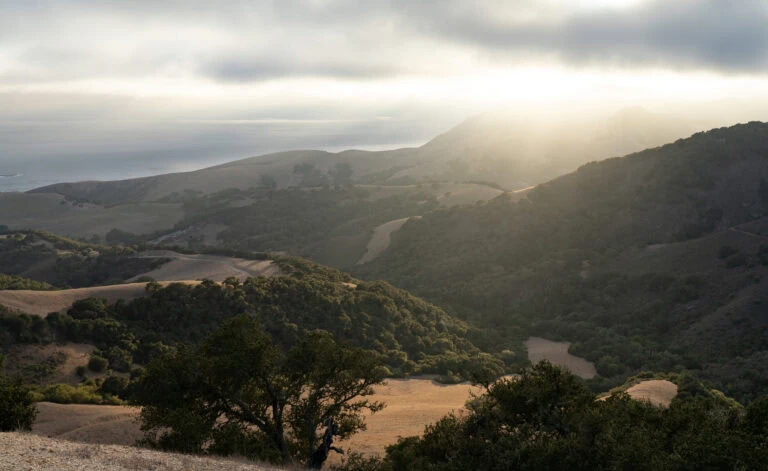
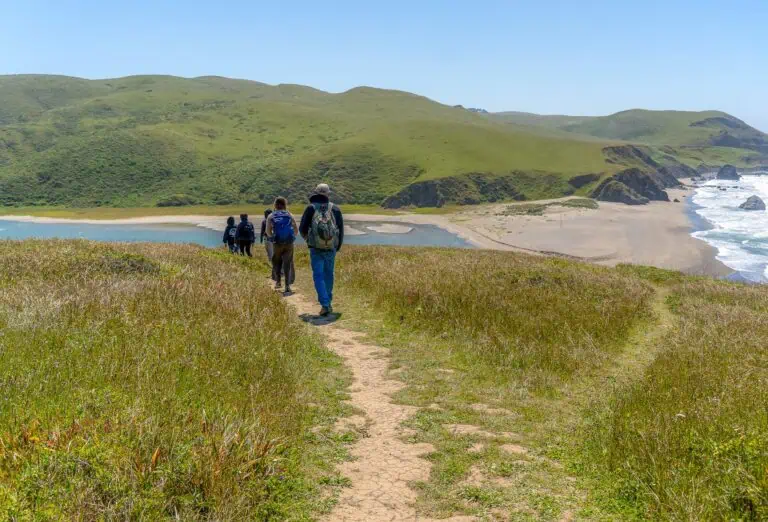
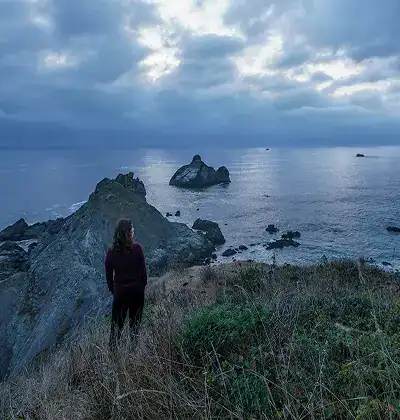
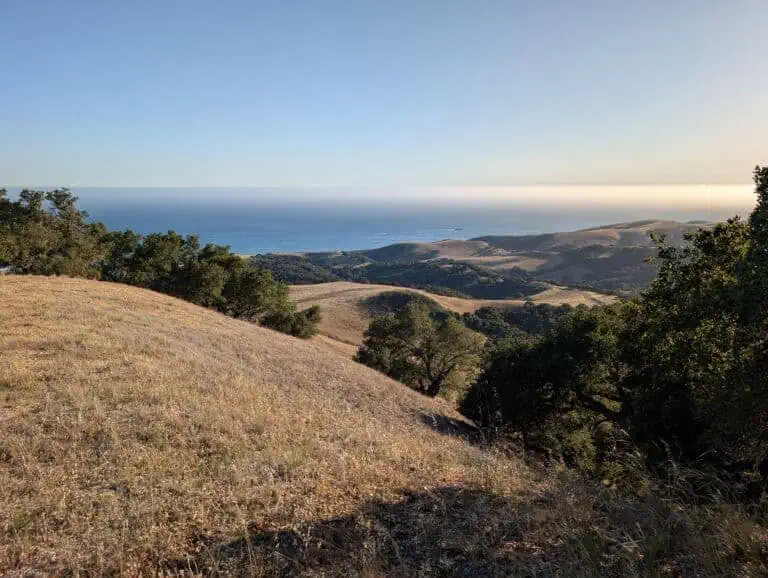
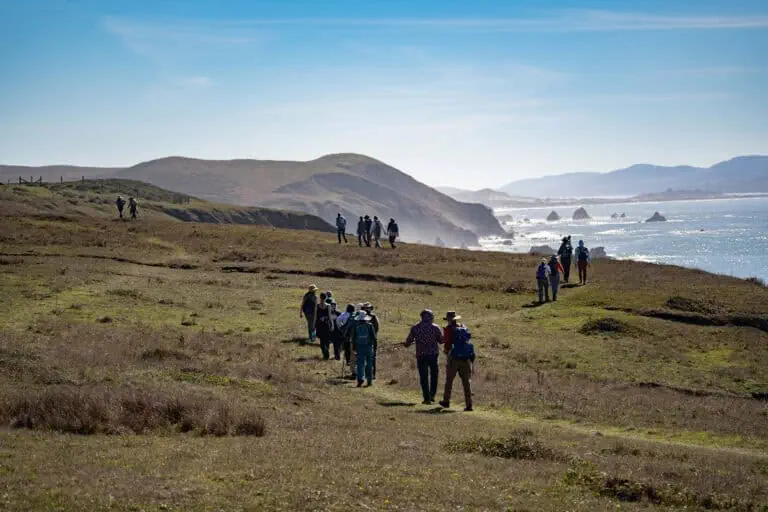
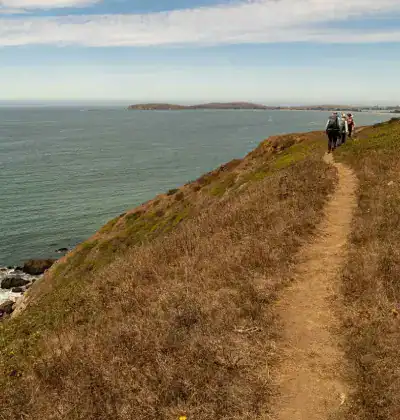
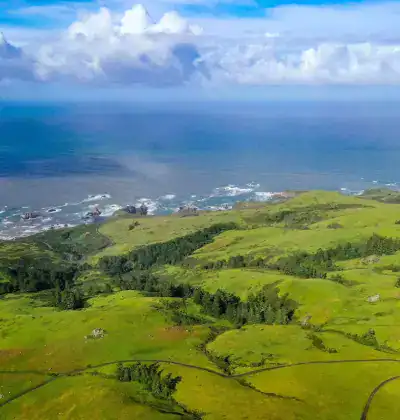
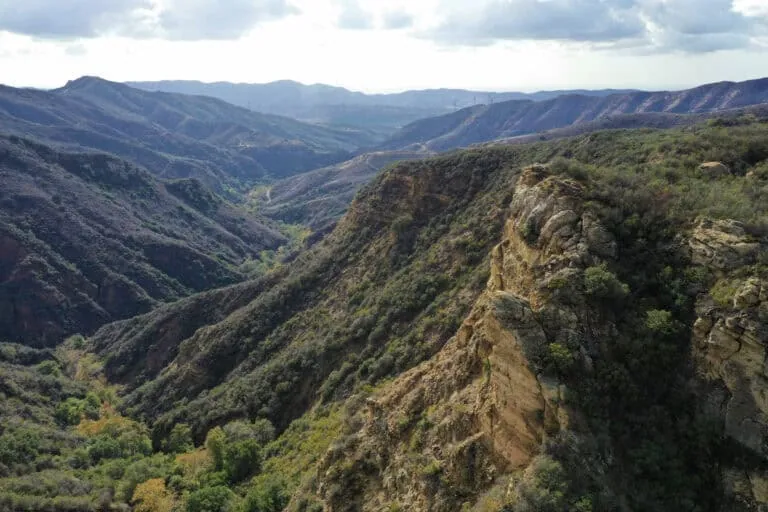
The wind swept, fjord-like bluffs of the Wildlands Conservancy’s Estero Americano Coast Preserve tower hundreds of feet above Americano Creek as it winds its way to the Pacific Ocean. This summer, Wildlands has launched an ambitious Estero Americano Wetlands Restoration Project to improve water quality and wildlife habitat while helping to build a sense of community and stewardship for the land.
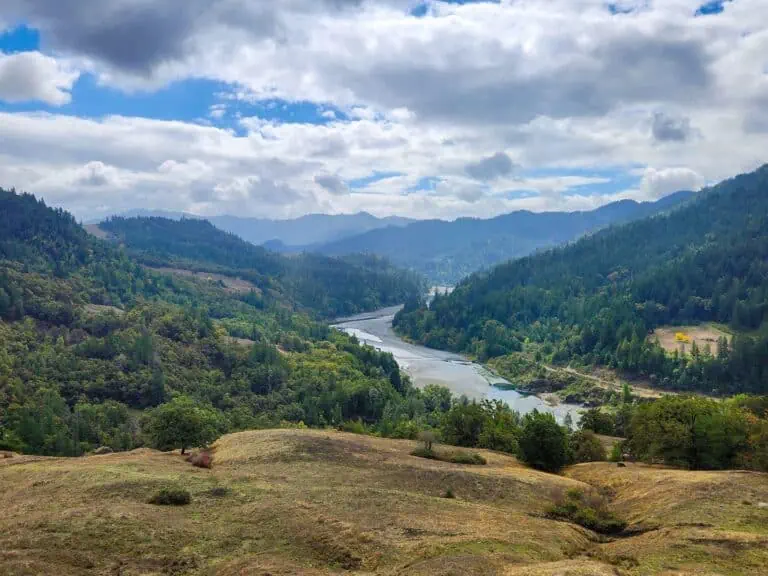
This is a place of transitions, where the land meets the sea, fresh water mixes with salt water, and the coastal prairie bluffs descend to the California coast. During the end of last ice age, glaciers melted and resulted in increased sea levels flooding Americano Creek’s path, creating a long, serpentine estuary that stretches four miles inland toward the town of Valley Ford, California. Historic human activities degraded the Preserve’s wetlands creating high rates of erosion, destroying vegetation, depositing sediment into waterways and compacting the soil.
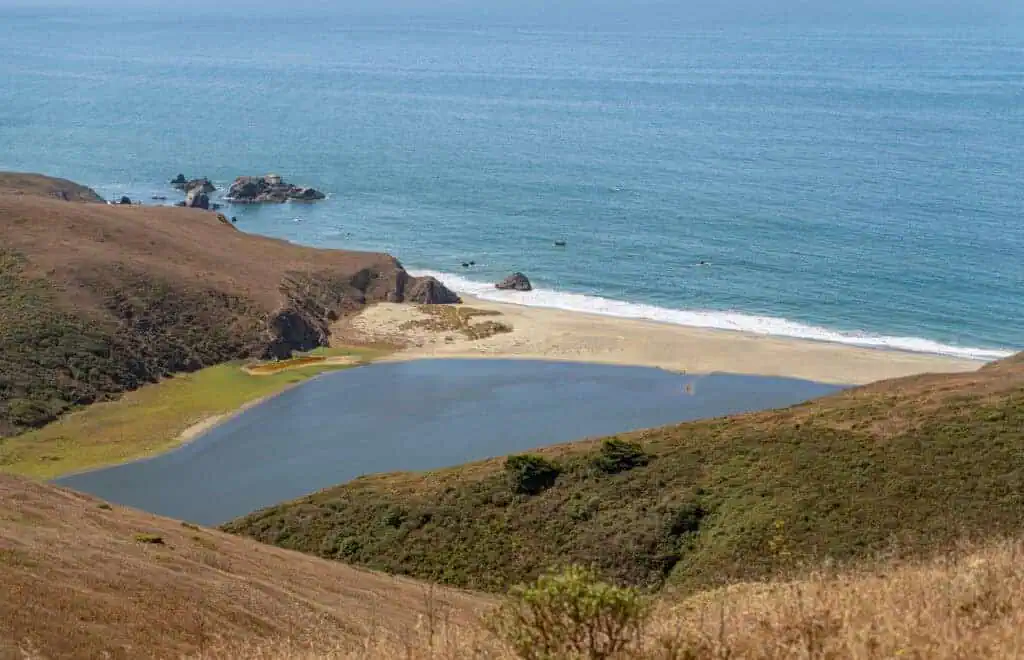
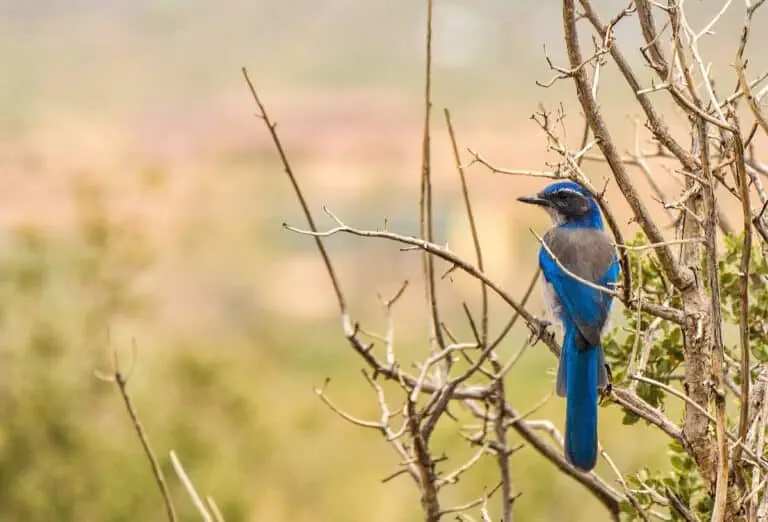
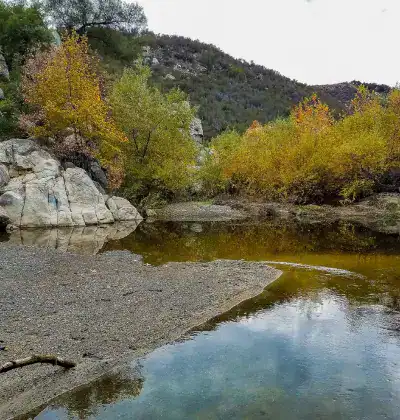
The Estero, a spanish word for estuary, is located in the southern part of the Preserve. It is biologically rich, located under the Pacific flyway and has 140 recorded species of resident and migrating birds. The Preserve has many different habitats: wetlands, tributaries, marshes, mudflats, willow habitat, and upland bluffs. The upland bluffs have rare coastal prairie habitat, which has the highest level of plant diversity of any prairie ecosystem in North America. During the spring, the bluffs are carpeted with the blue and violet hues of blooming wild iris. The Central Coast steelhead, red legged frog, and tidewater goby are all federally endangered and threatened species that call the Preserve home.
“The Estero Americano Coast Preserve is one of the most visually and geologically stunning areas along the northern California Coast, but it is also biologically rich, and contains the Estero Americano, an estuary which serves as an essential nursery and primary food source for a wide variety of fish, birds, and apex predators like the North American river otter.”
— Landon Peppel, Conservation Director, The Wildlands Conservancy
Did you know: Estuaries are some of the most productive ecosystems on earth: unique habitats where freshwater meets saltwater. Development has destroyed roughly 85 percent of estuary wetlands, especially around major river deltas in California, Oregon and Washington (NOAA, 2025).
The Estero Americano is also a part of two additional protected areas: The Estero Americano State Marine Recreational Management area (SMRMA) and the Greater Fallarones National Marine Sanctuary (GFNMS), which play an important role in conserving marine life along California’s Pacific Coast.
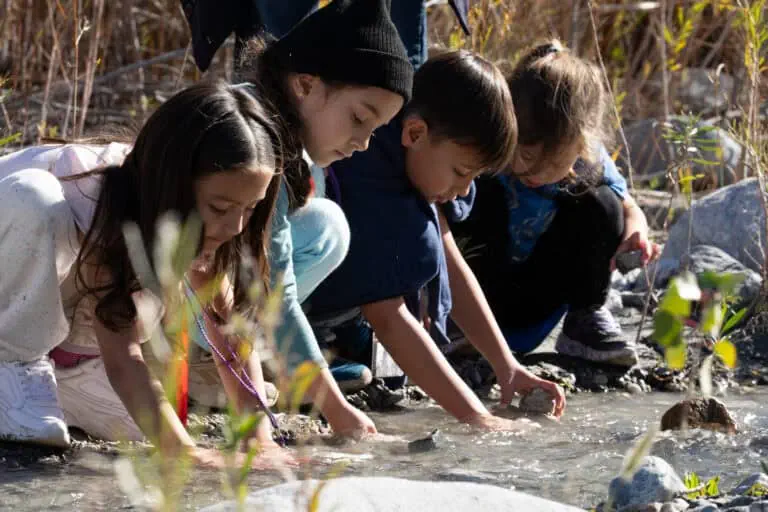
Wildlands manages the Estero Americano Coastal Preserve for the benefit of wildlife, public passive recreational opportunities and environmental/outdoor education programs.
Historic Scars on the Land
Historically, the Estero Americano Coast Preserve wasn’t managed to protect and promote conservation values , which resulted in wetlands degradation and compacted soils. These factors, along with the destruction of vegetation, increased erosion in gullies and on stream banks which contributed to sediment-caused water pollution that harmed the federally threatened species such as Central coast steelhead and California red legged frog, as well as the federally endangered Tidewater Gobi. Historic land use also introduced and spread of invasive plant species which are now outcompeting many native species. Experts reviewed historic aerial photography of the site and found that environmental damage and erosion had greatly increased over the past twenty years.
Although nature sometimes has the capacity to heal itself, The Wildlands Conservancy realized that human intervention would be required to repair the severe environmental damage and create a thriving wetland habitat at the Estero Americano Coast Preserve.
“This restoration project is a great opportunity to help heal the scars on the land from historic agricultural practices. It is important to understand that restoration science, planning, staff expertise, and volunteer support for the Estero Americano ensures we will continue to have thriving wildlife habitat well into the future. By planting willow to stabilize streambanks, stabilizing soils and restoring wetland hydrology, we are investing in one of the most biologically rich and important conservation areas in California.”
— Ryan Berger, Sonoma Coast Preserve Manager, The Wildlands Conservancy
How We Are Healing the Land
Complex science, land management activities and hands-on construction activities all play a role in this Wildlands’ restoration project following the decade of planning with CalTrans and the local community. A key goal for the Estero Americano Coast Preserve Wetlands Restoration Project is to revitalize more than five acres of willow and coastal wetland habitat to improve wildlife habitat and water quality.
The restoration project will also improve wetland hydrology, or the flow of water across the landscape, by creating new coastal wetlands that can absorb runoff from heavy rainfall, reducing erosion and sedimentation and also providing important habitat for wildlife.
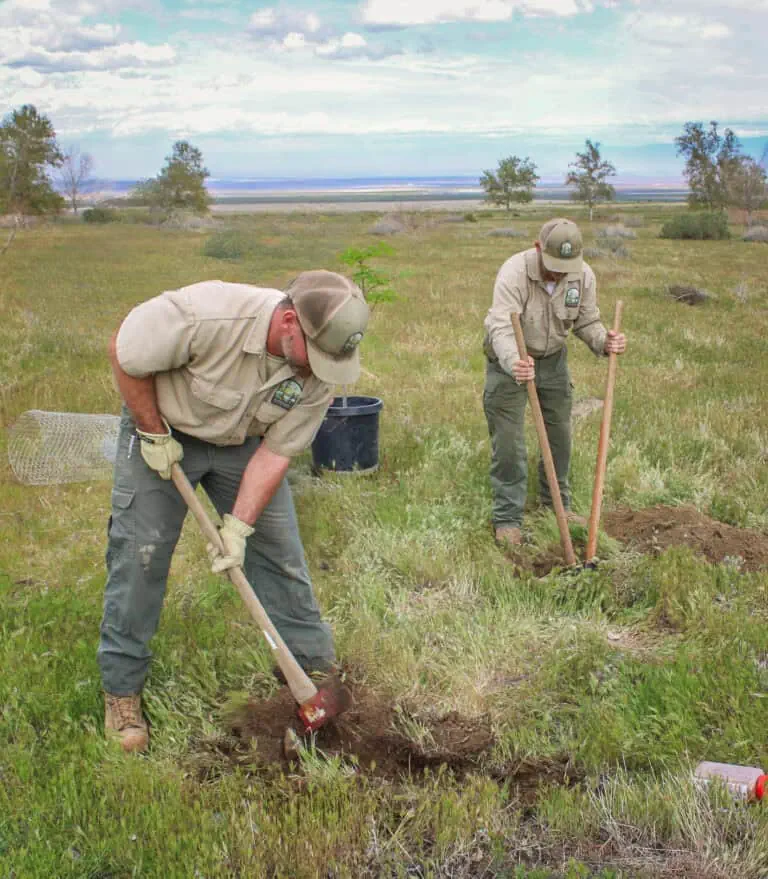
Restoration work involves physically modifying the land using hand tools, heavy equipment, planting willows, and removing invasive species. Work crews will stabilize streambanks and regrade badly eroded gullies that are depositing heavy sediment loads into surrounding water bodies like the Estero and Americano Creek.
Wildlands staff will install wildlife friendly fencing that will facilitate the movement of wildlife while protecting the fully restored wetland areas. Following the restoration project’s construction phase, land managers will monitor the Preserve’s wetlands to measure the project’s success, and to identify actions to support the continued health of the wetland ecosystem.
Finally, creating thriving wetlands with abundant wildlife will enhance the public’s enjoyment of the Preserve and its outstanding opportunities for wildlife observation, hiking, picnicking, and enjoying the quietude and beauty of nature. During the restoration project, the Preserve will remain free and open to the public.
“Since the Estero Americano Coast Preserve opened last July, I’ve hiked it at least a dozen times and have come to appreciate what a special place it is. It gives people an opportunity to hike, walk their dogs, observe wildlife, or simply enjoy the beauty and peacefulness of the coast. The wetlands restoration project is an important investment in preserving the ecological health and natural beauty of the Preserve for future generations.”
— Tracy Amiral, President of the Bodega Harbour Homeowners Association.
Restoration For the Future
The extent of the damage made it clear that the wetlands could not fully recover without human intervention. The Wildlands Conservancy developed a restoration plan to stabilize eroding gullies and streambanks, restore wetland hydrology, reestablish native vegetation and improve habitat for the many species that depend on the estuary.
Moving the project from an identified need to active restoration required persistence, detailed planning and coordination. Wildlands worked with Ag + Open Space, which holds the conservation easement on the Preserve, while mitigation funding from Caltrans helped make the work possible. Wildlands staff guided the project through the many details necessary to bring the restoration from concept to construction.
The work will continue long after the initial construction is complete. Through ongoing monitoring, adaptive land management and long-term stewardship, Wildlands will help the restored wetlands become healthier and more resilient over time.
“Ultimately, the long-term success of restoration efforts goes well beyond just science and land management- it requires a shared responsibility, a commitment to stewardship and a desire to preserve the land for the benefit of future generations.”
— Luke Farmer, the Sonoma Coast Regional Director