

Building the Next Generation of Conservation Leaders, Seventeen Days at a Time
By Aaron Hooyboer, Outward Bound Adventures Program Manager
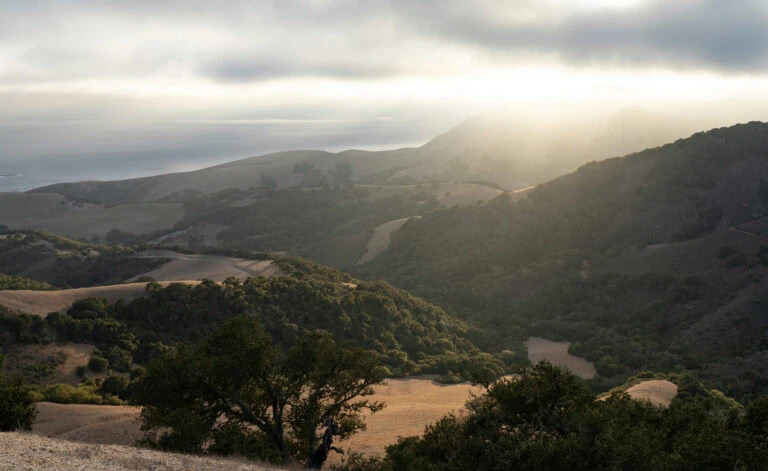
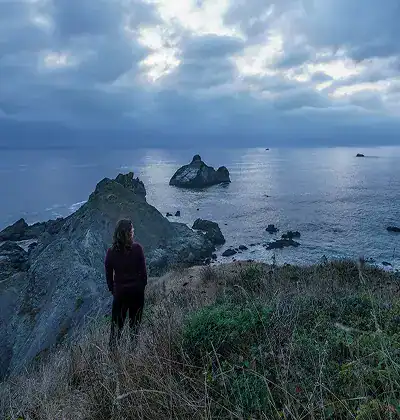
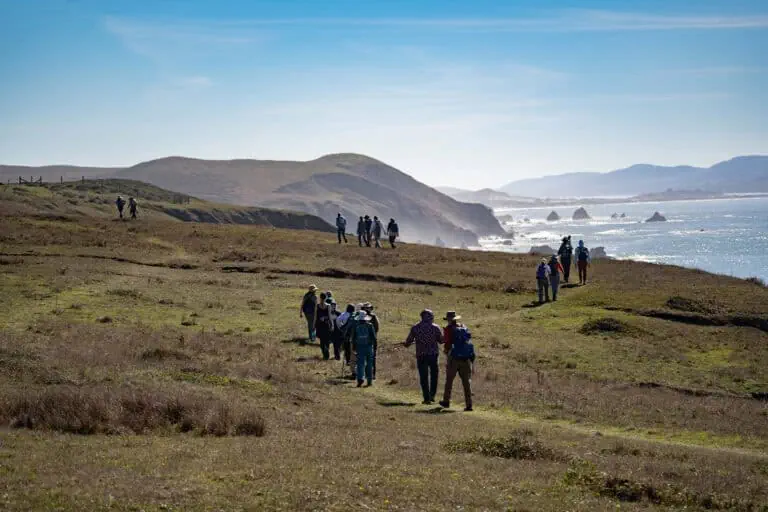
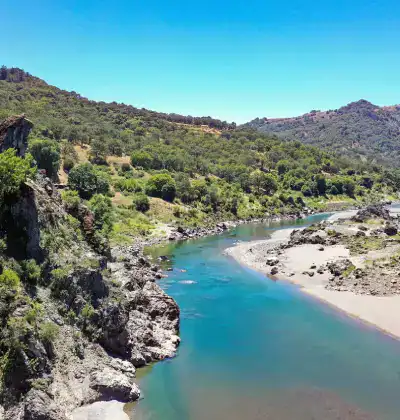
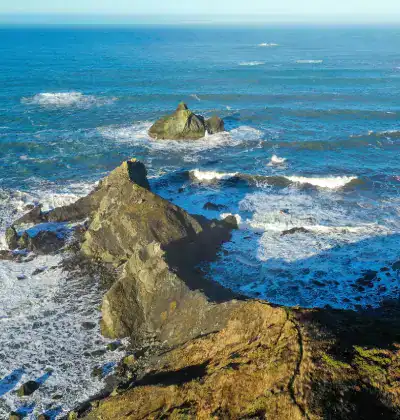
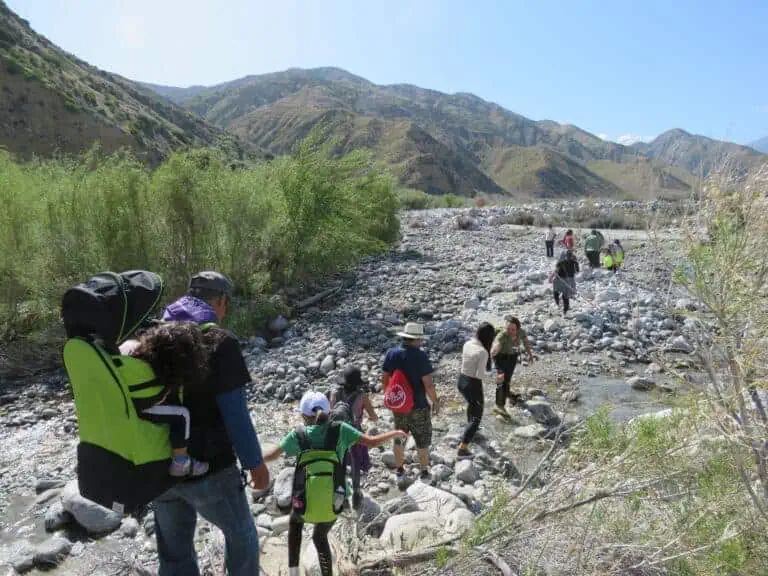
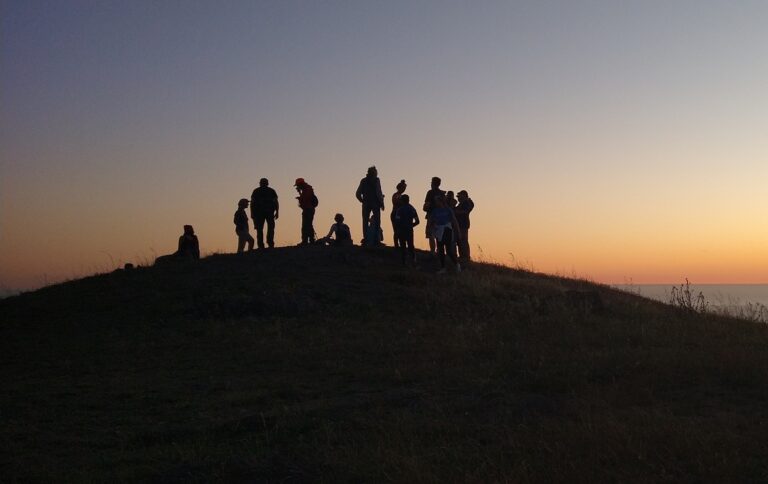
At 6:30 in the morning, Seawood Cape Preserve feels very far from Outward Bound Adventures’ home in Pasadena. Fog hangs low over camp as students pull on layers, make breakfast, and pack lunches before heading to work alongside The Wildlands Conservancy’s staff.
For some, this is their first camping trip. Now they are spending 17 days hundreds of miles from home. The excitement eventually runs into homesickness, exhaustion, conflict, and the reality of getting up to work when you are tired.
It is also enough time for people to stop being strangers.
I have spent much of my career thinking about what outdoor access actually means. Transportation, equipment, and a campsite can get a young person through the door. But getting outside is only the beginning. The experience becomes meaningful when young people are trusted with real responsibility and given enough time to find out what they can do.
That is what makes the time students spend at The Wildlands Conservancy’s preserves different. The students are not there to watch conservation happen. They are part of it.
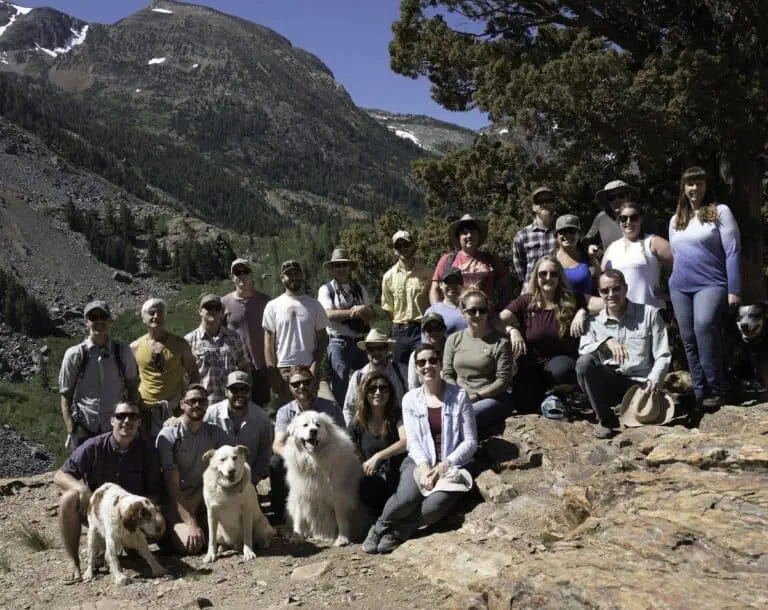
That opportunity grew from a relationship between Outward Bound Adventures (OBA) and The Wildlands Conservancy (TWC) that began years earlier, when Wildlands co-founder David Myers met OBA Executive Director Charles Thomas.
Together, the organizations created something ambitious: bring high school students to a preserve for 17 days, pay them to complete restoration work, and surround that work with camping, leadership, exploration, and career exposure.
The paid work matters. Students have to arrive on time, use tools safely, communicate with a crew, and finish hard assignments even when they are tired. They also see that caring about the environment and earning a living do not have to be separate things.
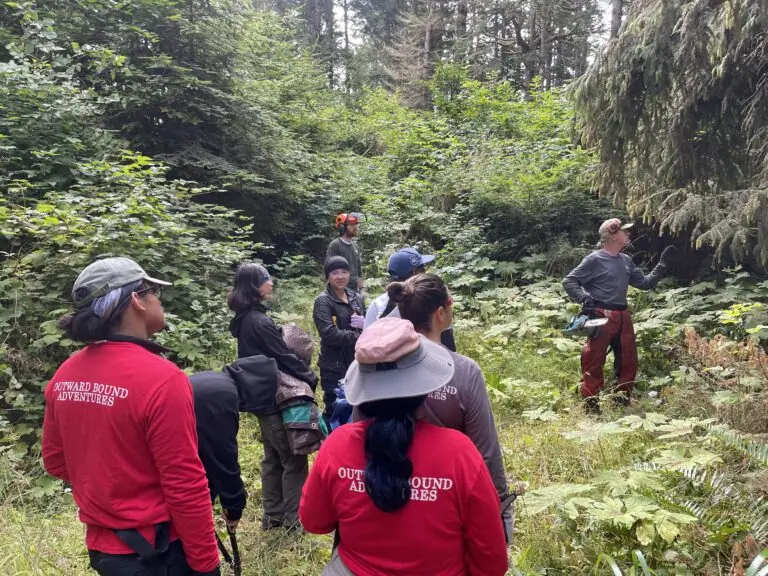
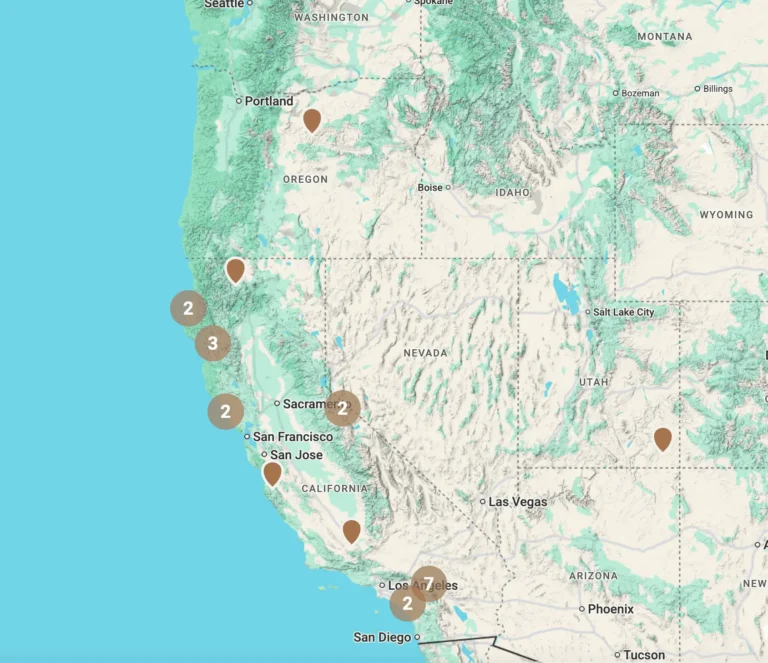
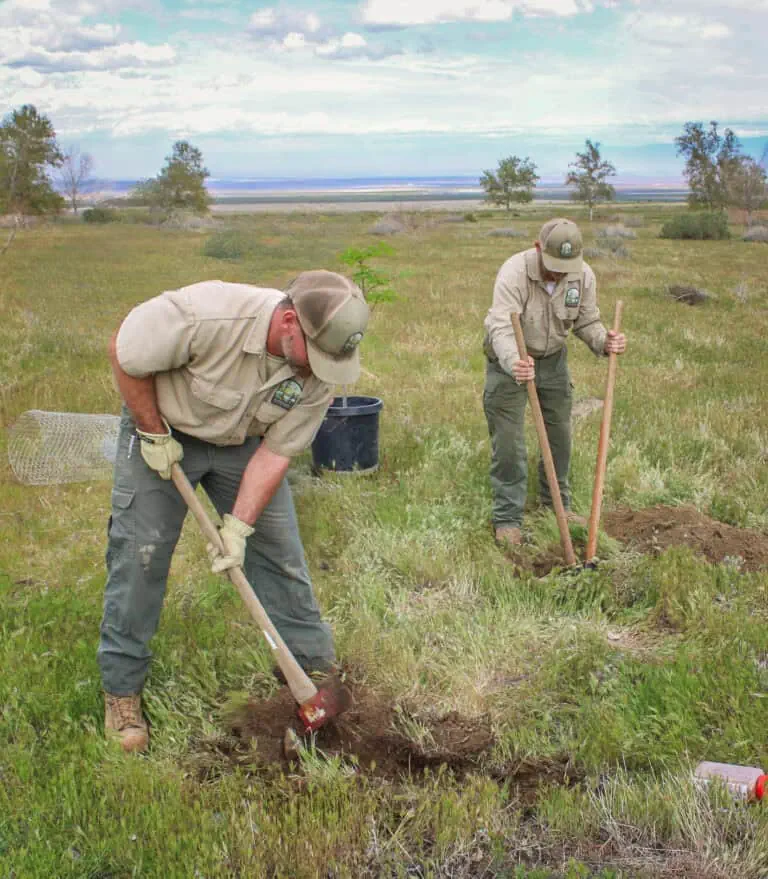
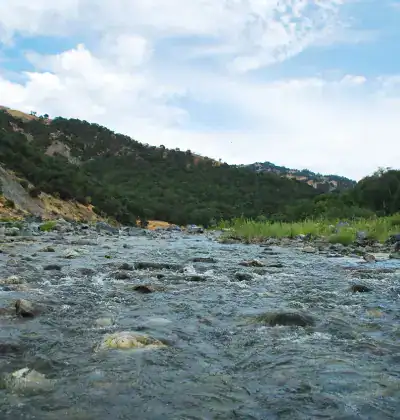
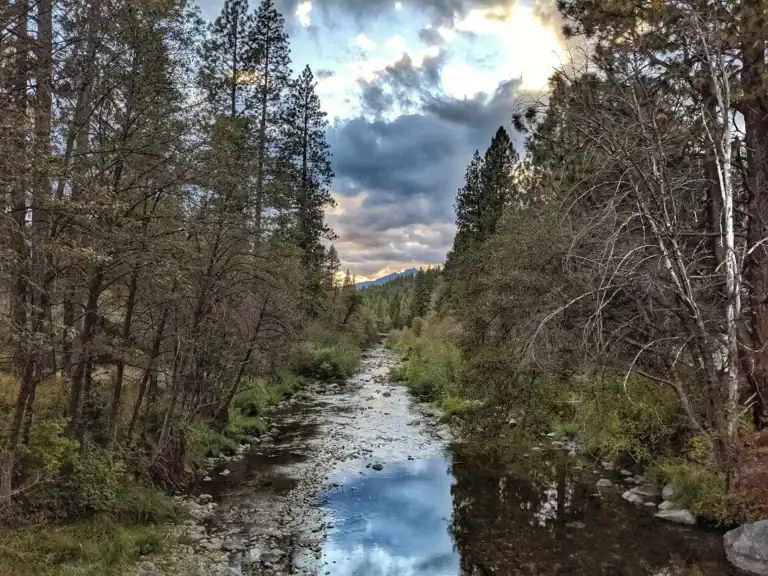
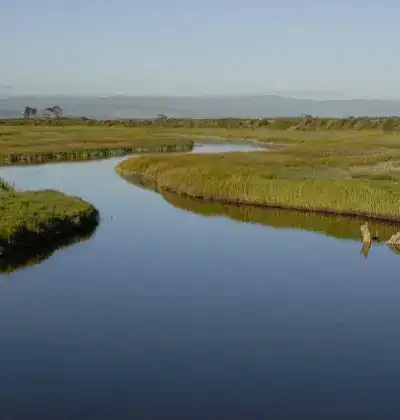
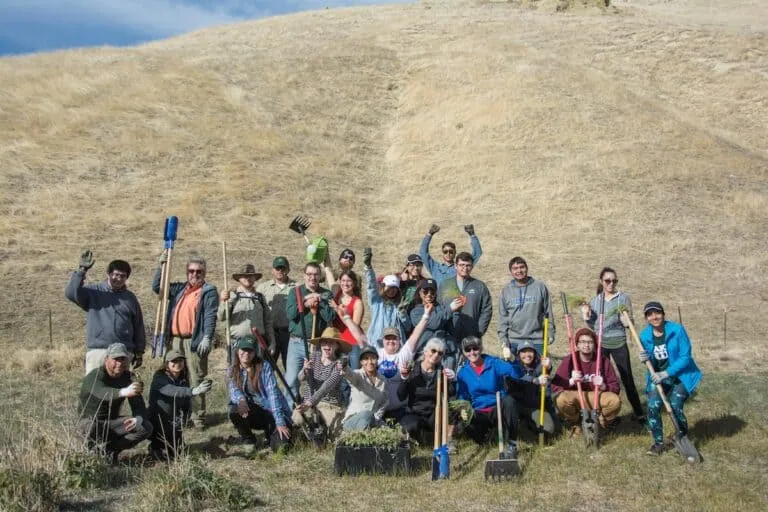
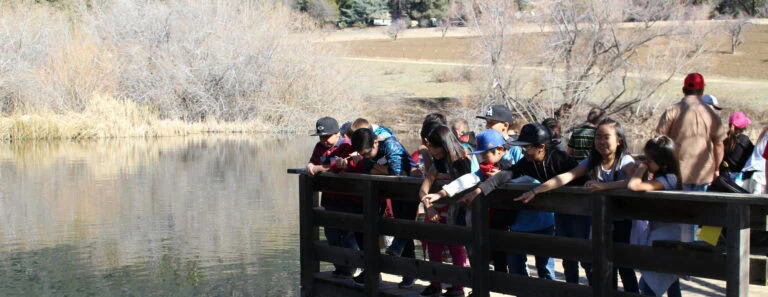
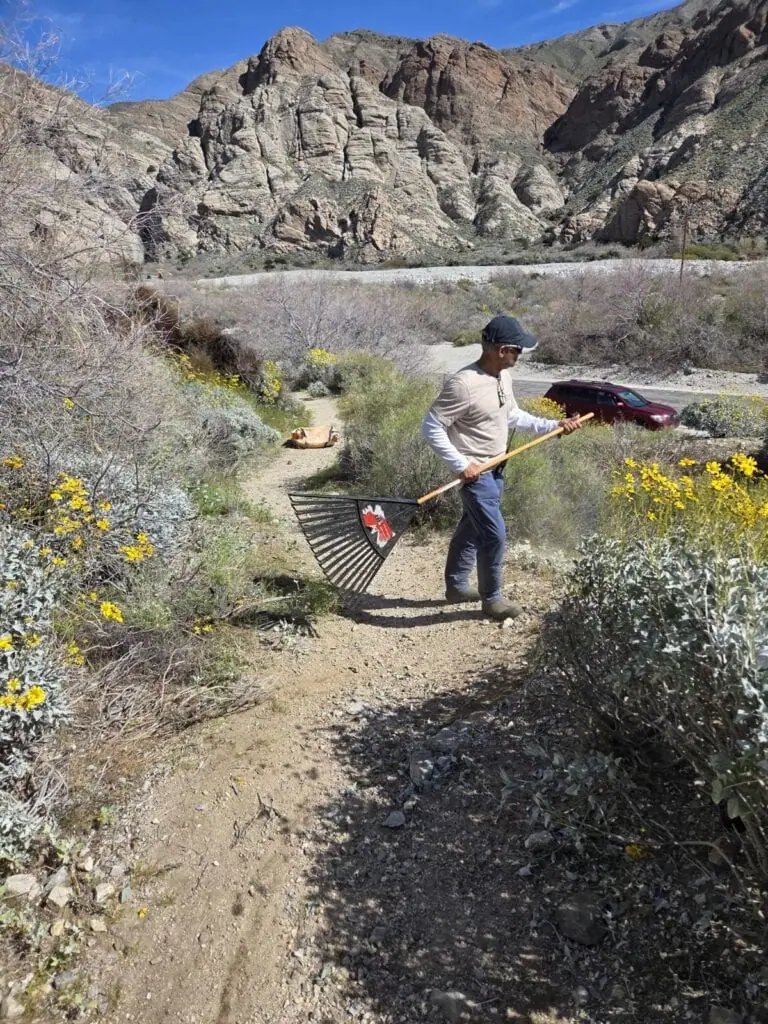
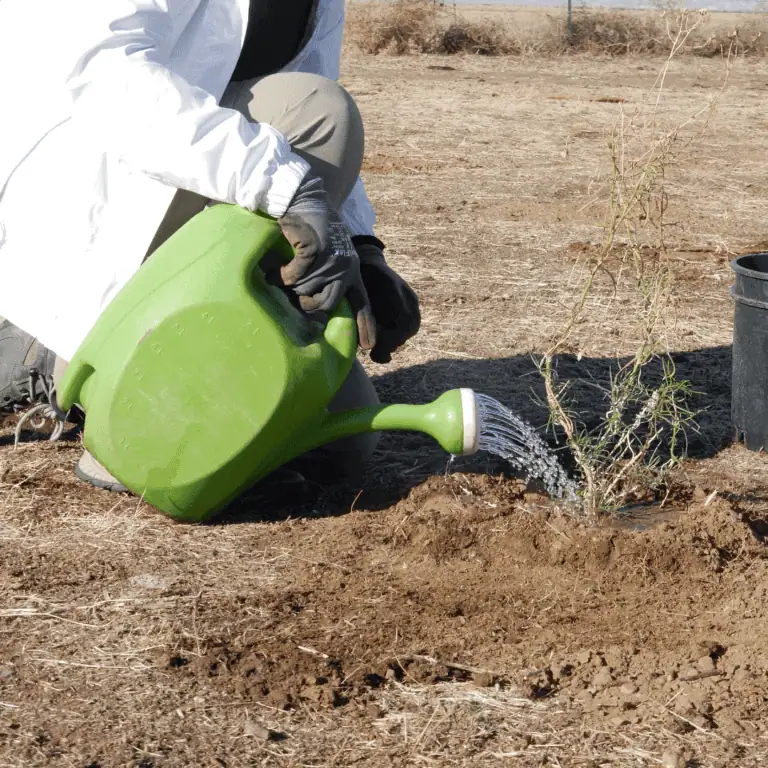
The group leaves Pasadena and travels north, spending several days at Jenner Headlands Preserve before continuing to Seawood Cape Preserve. Across the expedition, students complete eight paid restoration workdays, removing invasive plants, planting native species, maintaining trails, improving future campsites, thinning parts of the forest, and taking part in ecological monitoring.
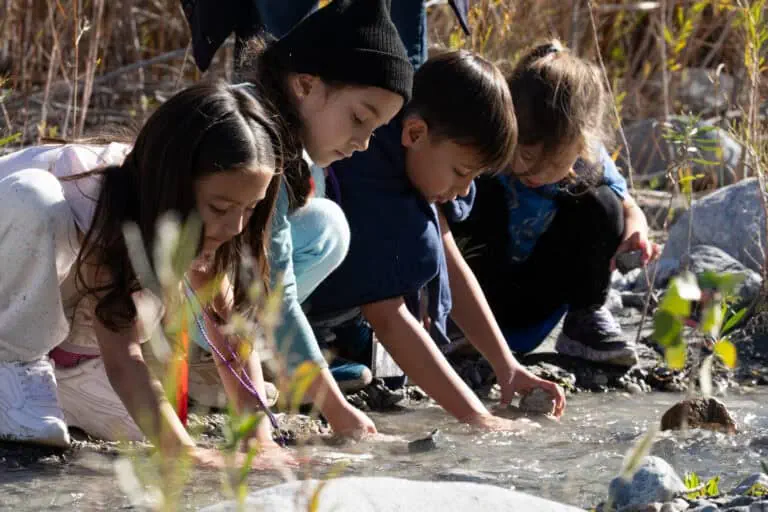
Salmon monitoring created another kind of connection.
“When I got to do the salmon monitoring, that was a light-bulb moment for me. There’s been so much damage, but people are coming together to bring them back. To be a part of that was really beautiful to me. This is something I can see myself doing in the future.”
— Outward Bound Adventures Student
A classroom lesson can explain why an ecosystem needs restoration. Carrying branches, cutting back vegetation, and doing the same careful task for hours teaches something else. Repair takes time. It takes planning. It takes people who keep working when the novelty has worn off. As the trip progresses, instructors step back and students take on more responsibility. Each person serves as Leader of the Day, helping manage time, communicate the plan, divide responsibilities, and pay attention to what the group needs.
One student put it better than I could: “It taught me that being a leader meant accepting help from others and not doing things alone.”
We do not expect every participant to become a conservation professional. That is not the point. We want them to know these opportunities exist and that they belong in the conversation. Paul’s story is one example of what can happen when that first trip becomes a pathway. I helped recruit Paul into OBA. At first, he would hang around our office, but he would not sign up for a trip. Eventually, he said yes.
On his second Seawood trip, Paul was the only returning student. Instead of focusing only on his own adjustment, he helped first-time students become, as he put it, “more comfortable with the uncomfortable.”
The physical work gave him direction, too. “It inspired me to do more hands-on work,” he said. “Before then, I didn’t really know what I wanted to do with my life.” What changed is that he knows more about himself. He knows he likes using his hands. He knows he can work outside. He knows other people can count on him. “I never thought I could be gone for 17 days again,” Paul said. “It turns out I can.” By the end of the trip, the students know how to prepare for work, take care of camp, support one another, and show up even when they are tired. The land looks different too. Trails have been cleared. Invasive plants have been removed. Native species have been planted. The students can point to something and say: We did that.
This is why access by itself is not enough. Young people need time, responsibility, mentors, meaningful work, and a reason to return. One expedition can lead to a second trip, a leadership role, an internship, college, or a job they had never considered.
The students arrive wondering whether they can be away for 17 days. They leave having worked hard, taken care of one another, and contributed to a place that will still carry signs of their effort long after they are back home.