


As we watch climate change impact our natural landscapes more and more each day, rising temperatures and increasingly extreme weather are reshaping our preserve system, including Whitewater Preserve.
For nearly two decades, The Wildlands Conservancy’s Whitewater Preserve has offered the community a place to hike, watch wildlife, picnic and find beauty and quiet in the desert.
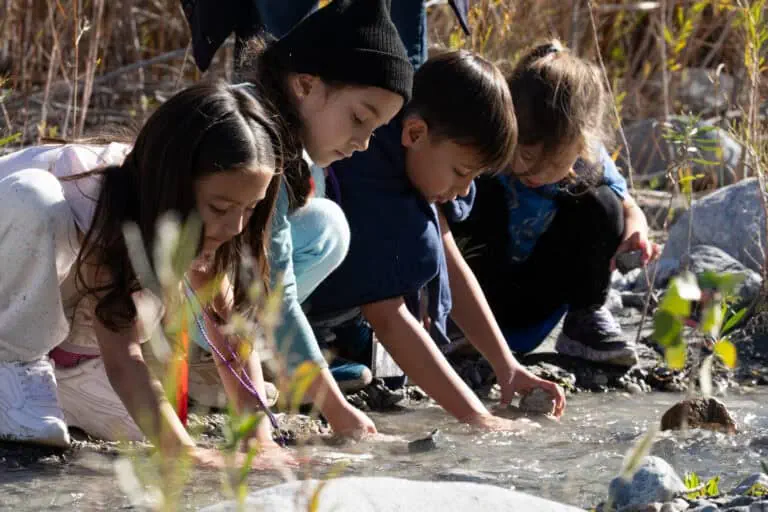
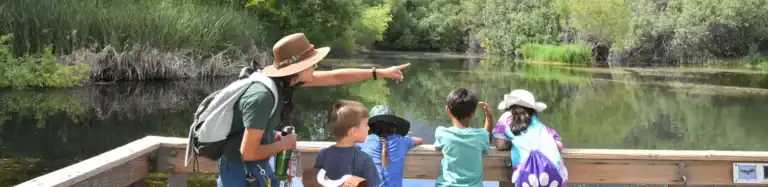
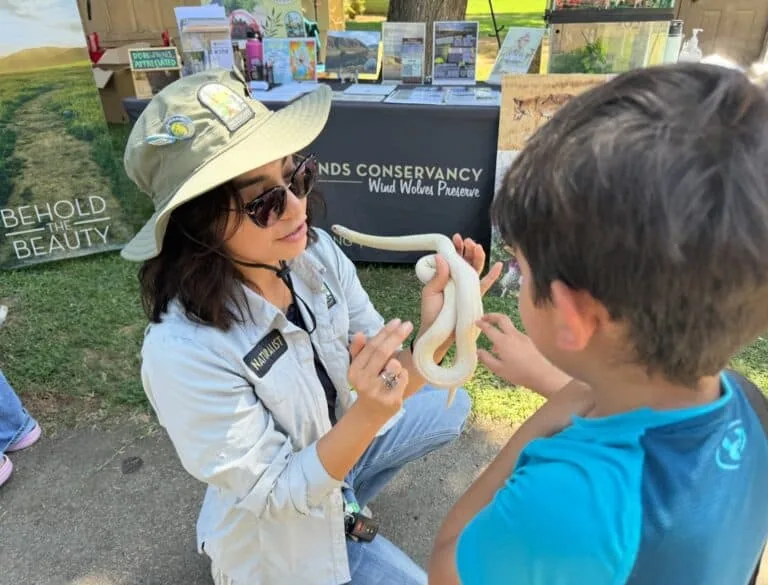
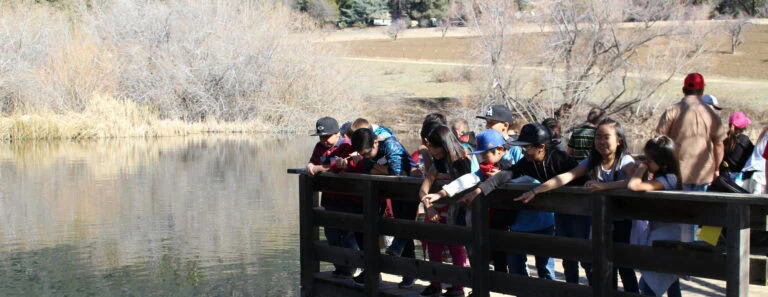
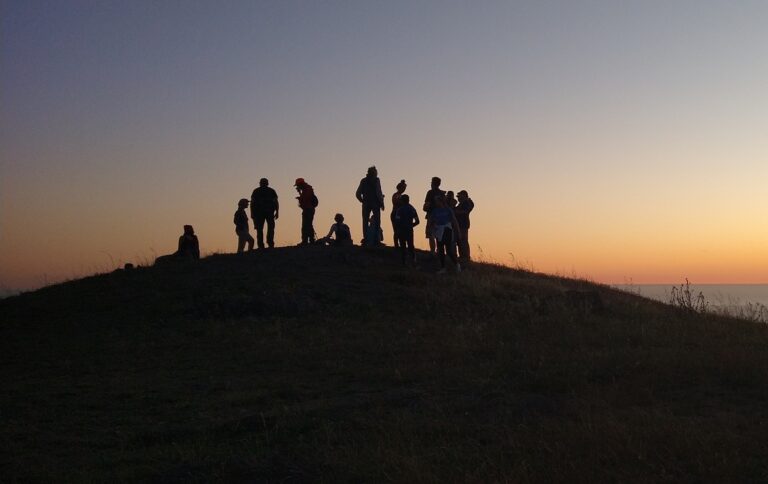
The more than 200,000 visitors annually and over 50,000 schoolchildren since 2008 served through Whitewater’s outdoor education programs could tell countless stories about their adventures in this beautiful landscape.
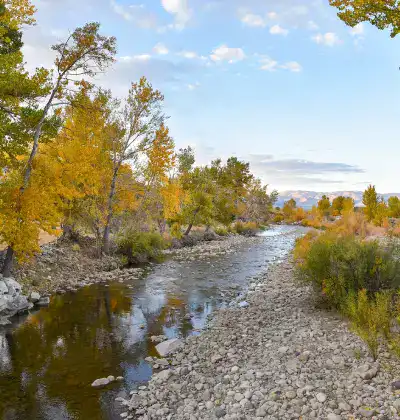
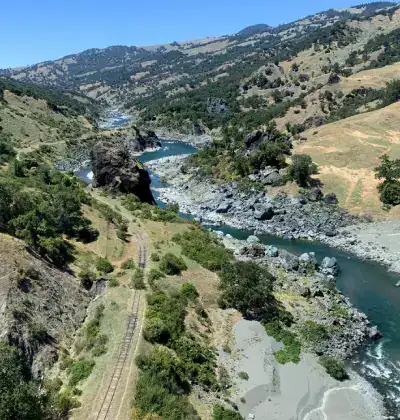
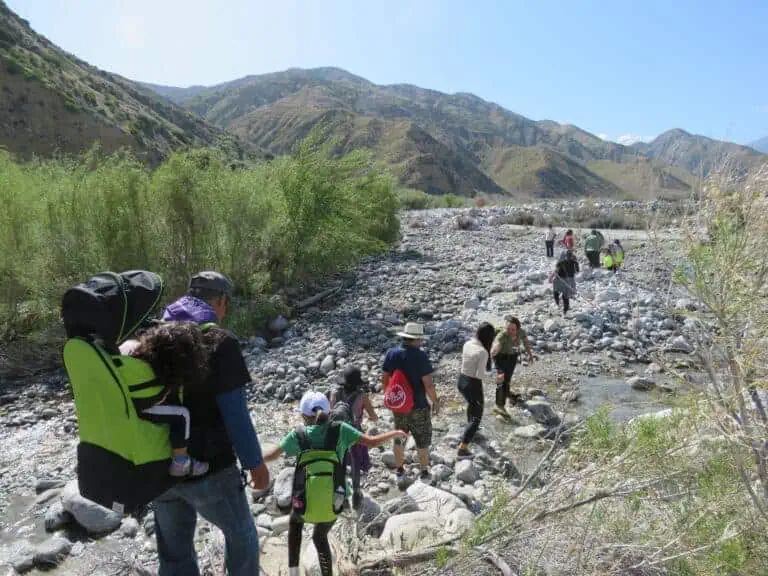
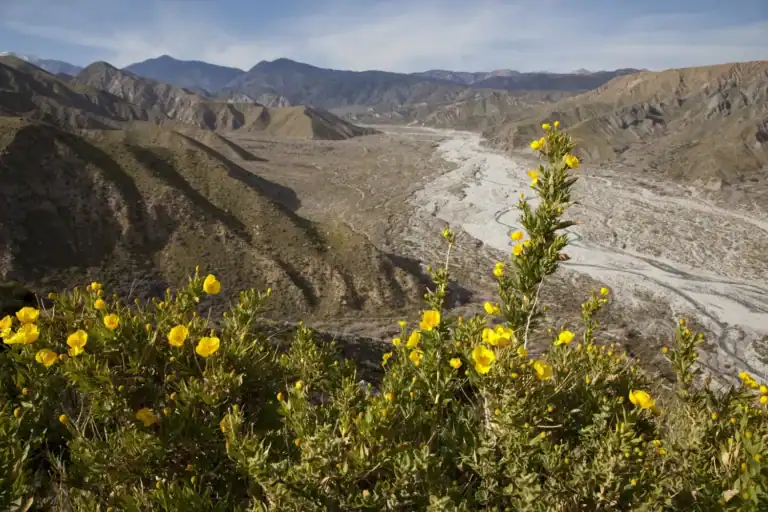
But the landscape also has its own story to tell. High-water marks on the canyon walls, six feet above the river’s ordinary level, tells us about the power of the watershed above to flood the preserve. Car-sized boulders and enormous uprooted trees carried downstream by past floods, give dramatic evidence that the gentle river that welcomes families on a summer afternoon can also become a roaring torrent capable of reshaping the canyon in a matter of hours.
As climate change heightens the risk of future floods, what is at stake is public access to the preserve’s streamside habitat and visitor facilities, the result of decades of conservation, community support and care for the land.
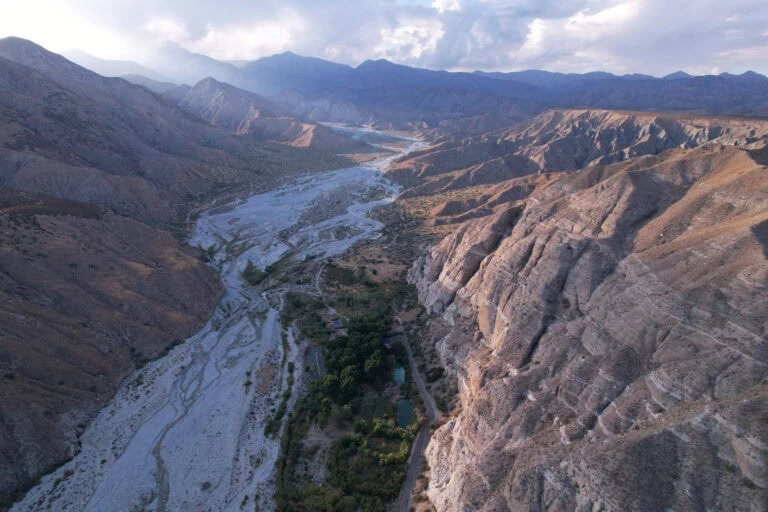


“At Whitewater Preserve, a catastrophic, one-hundred-year flooding event could significantly reshape the river corridor, damaging streamside willow and cottonwood forests and posing a risk to the ranger station and other preserve infrastructure.” — Lucas Wilgers, Whitewater Preserve Manager
Stewarding a Landscape Shaped by Extremes
We want Whitewater Preserve to remain a refuge for wildlife and a place where families and students can experience nature free of charge. Preparing for the possibility of a catastrophic flood event is now an essential part of keeping our promise to this land and the people and wildlife who depend on it.
To meet this challenge, The Wildlands Conservancy is advancing a project to strengthen the preserve’s flood-protection infrastructure. Building on years of habitat restoration, the project is designed to reduce the risk of severe flood damage to visitor facilities and trails that allow people to hike, learn, and build their own connections to the river.
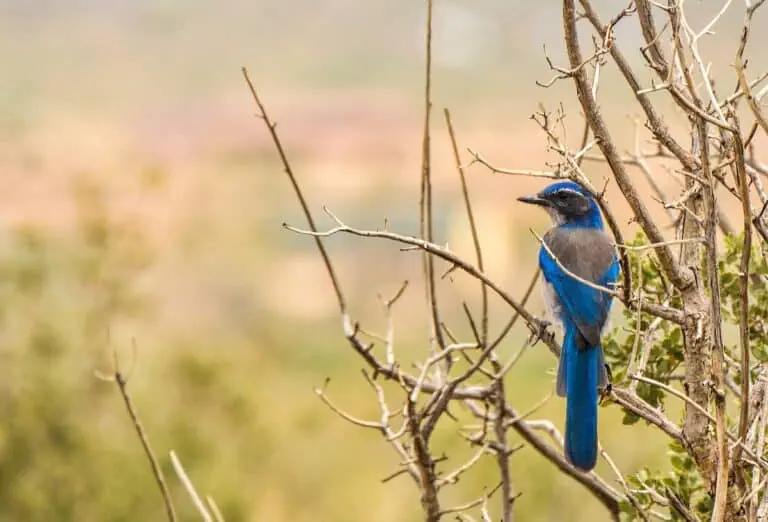
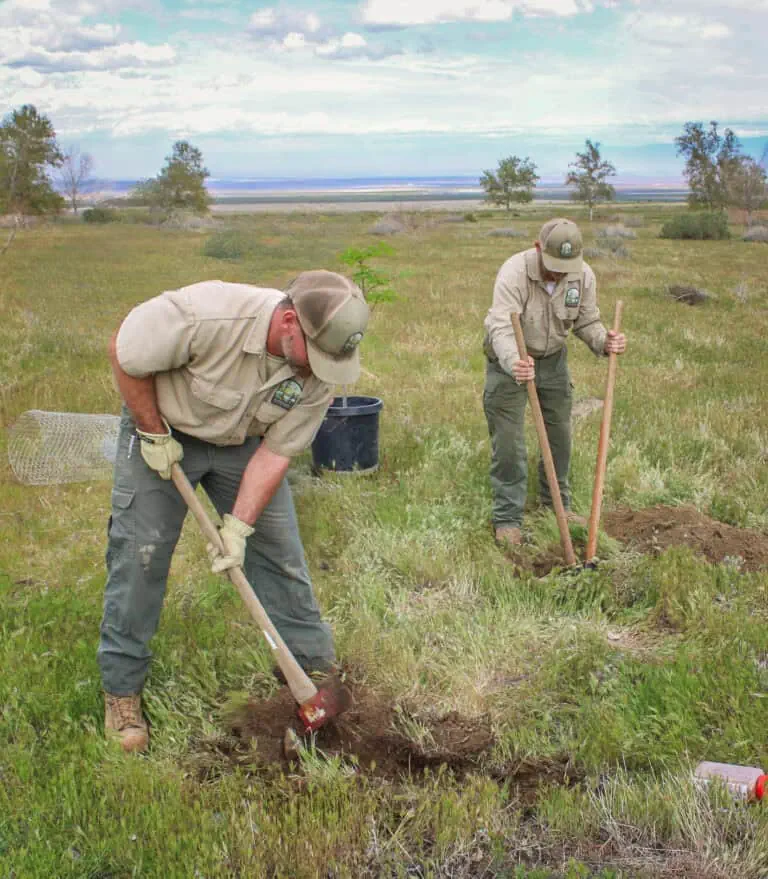
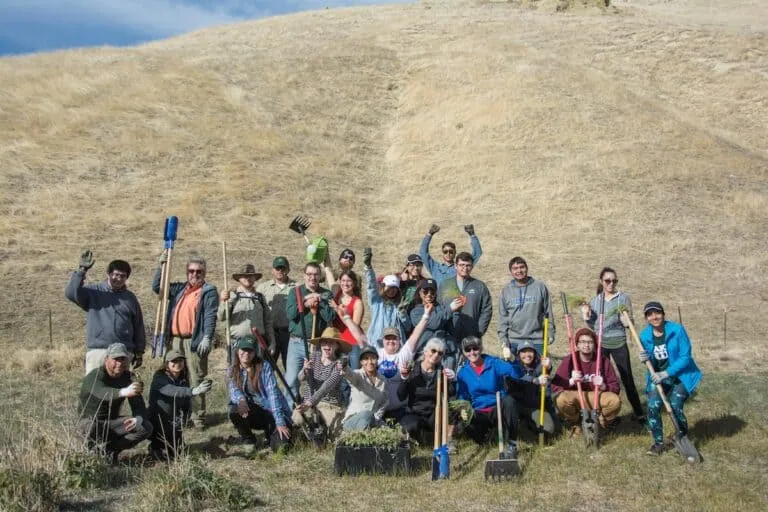
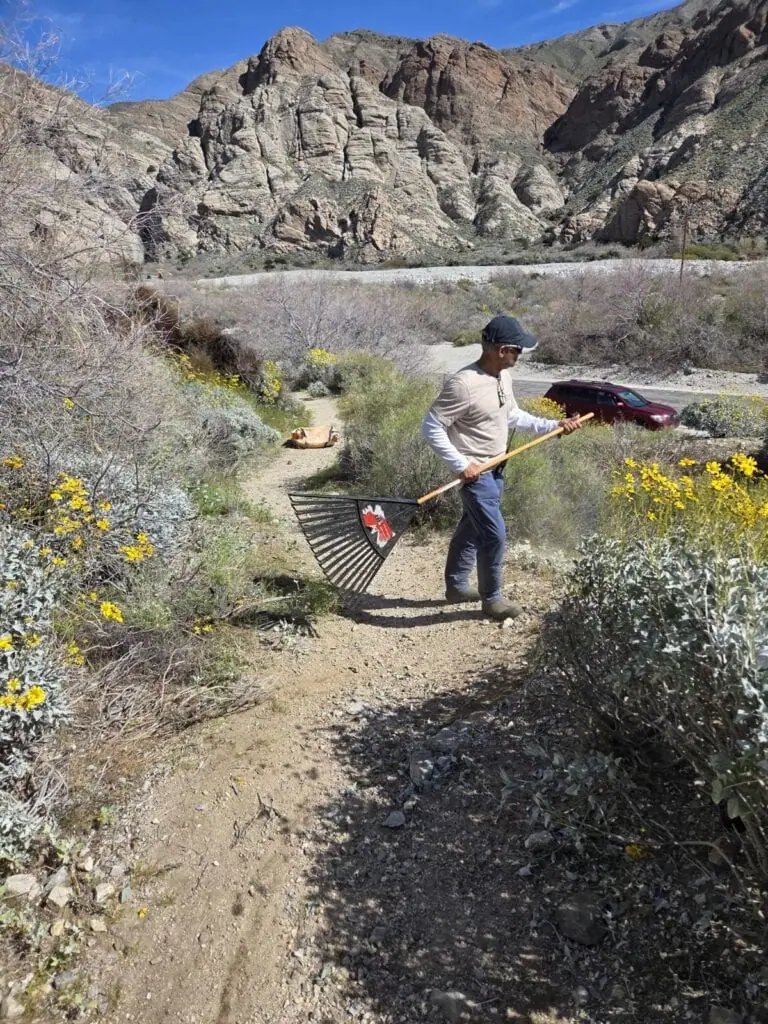
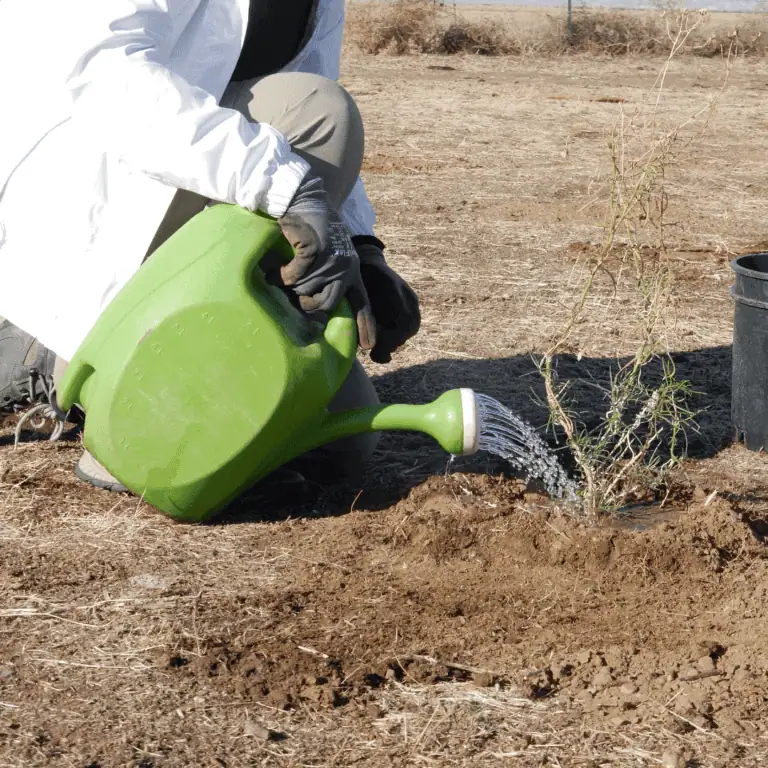
However, the project reaches beyond protecting buildings and public access. Years of restoration by preserve staff and volunteers have helped establish some of the watershed’s most valuable streamside habitat areas, supporting wildlife and rare and endangered birds, including the least Bell’s vireo.
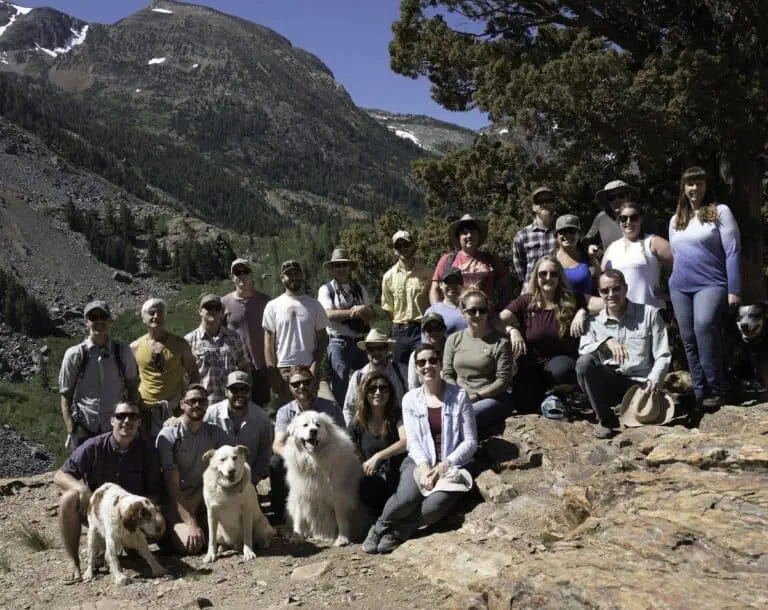
All this will be possible with the combined efforts of staff, partners, and volunteers and donors like you.
Understanding a Changing River
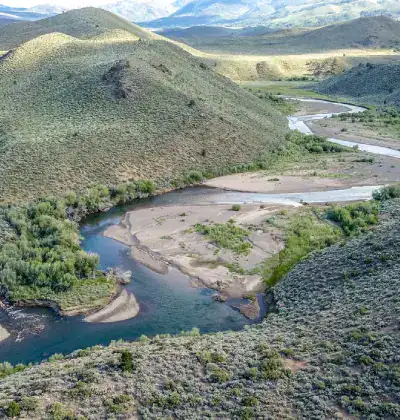
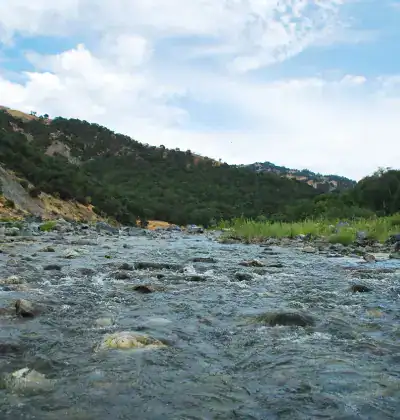
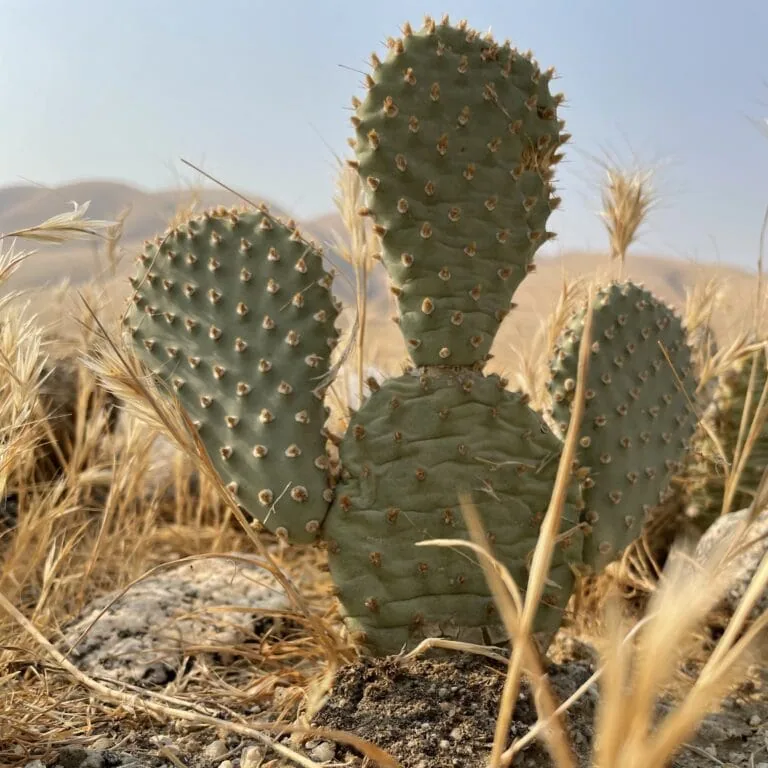
To understand the project, it’s important to note that flooding is essential to Whitewater Canyon’s ecological health. Cycles of flooding and drought reshape the river corridor, transport sediment, disperse seeds, and create conditions for native vegetation to regenerate. These processes have shaped the landscape for millenia. Whitewater River’s shifting channels, powerful floods, and regenerating forests are part of what makes it extraordinary.
“Whitewater has always been a place of change. Our responsibility is to help it remain a refuge as those changes accelerate,” said Jack Thompson, California Desert Region Regional Director. “By planning now, we can give wildlife room to adapt and ensure future generations still have a place to learn, explore and experience the beauty of this river.”
The concern is how extreme conditions can compound one another. Invasive annual grasses and accumulated vegetation can fuel wildfire. Severe burns in the upper watershed can leave steep slopes vulnerable to accelerated runoff and erosion during subsequent storms. When powerful floodwaters reach the preserve, both wildlife habitat and public access can be at risk.


The challenge our team faces is to sustain these ecological processes while protecting the places where people experience and learn about the river. Flood damage to the ranger station, roads, trails and other infrastructure could interrupt free public access and limit the preserve’s ability to provide outdoor education programs.
Building a Climate-Resilient Whitewater Preserve
The project design and environmental review are complete, and required permits and authorizations are progressing through review and submission.
A $428,615 Proposition 1 grant from the Coachella Valley Mountains Conservancy supported the project’s planning, design, environmental review, and permitting work.
However, there’s more work to be done and more funding needed.
Once the additional required approvals are secured, the project can move toward competitive construction bids and applications for implementation funding. Current estimates place the project cost at $3.56 million. The Wildlands Conservancy plans to seek public funding for most implementation costs and is seeking $250,000 in private matching support to help move the work forward.
Serving Community and Wildlife
Continuing our years of stewardship, this project builds upon our conservation campaigns which have allowed us to serve the community by providing free public access to nature, as well as free outdoor education, making Whitewater such an important part of life in the Coachella Valley.
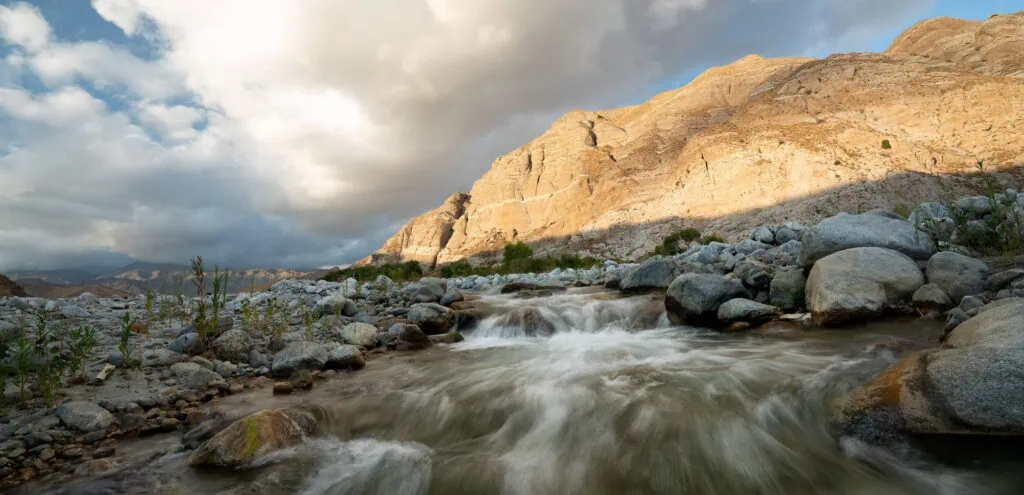
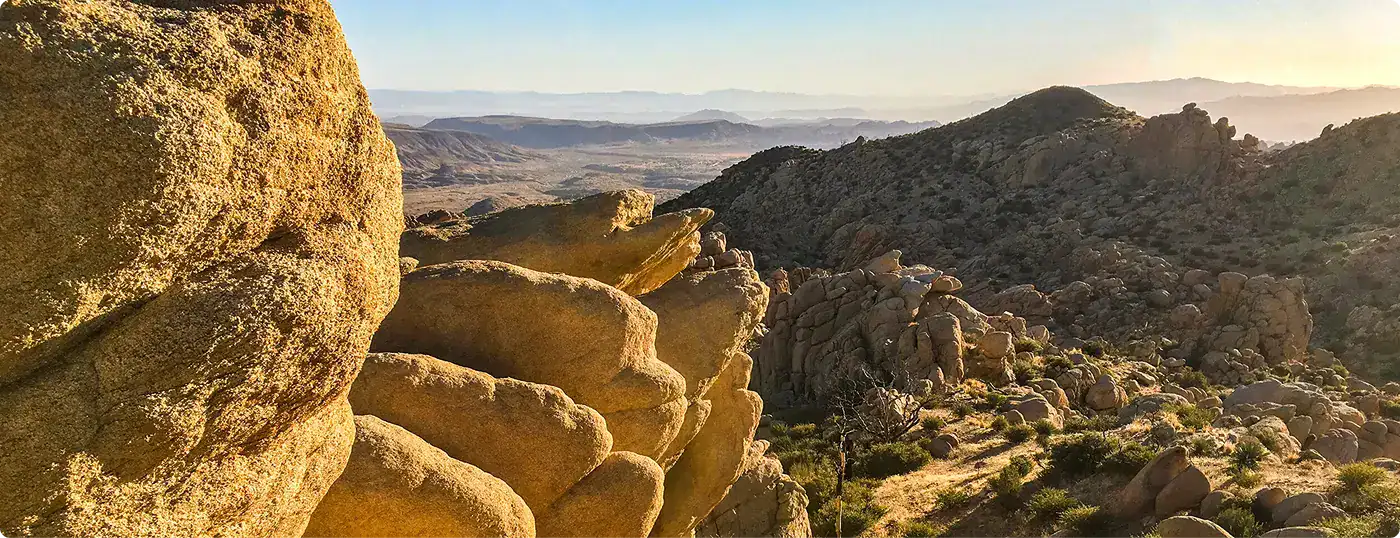
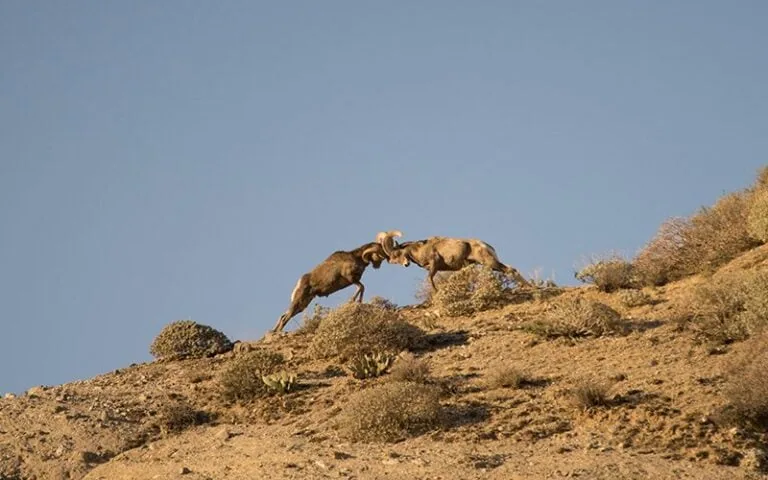
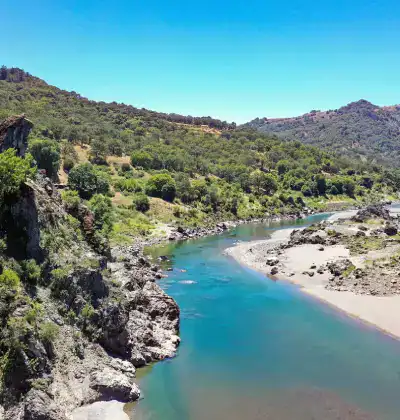
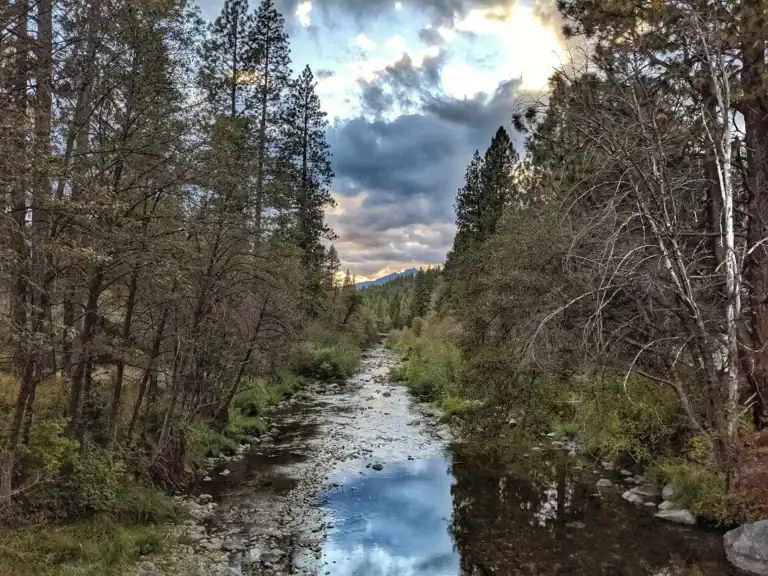
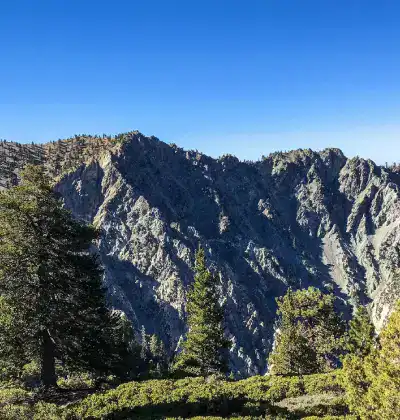
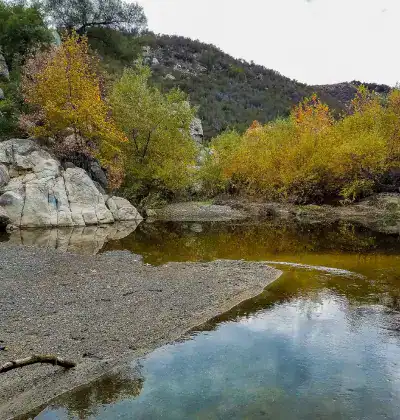
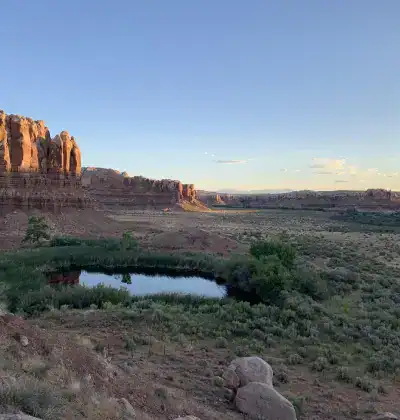
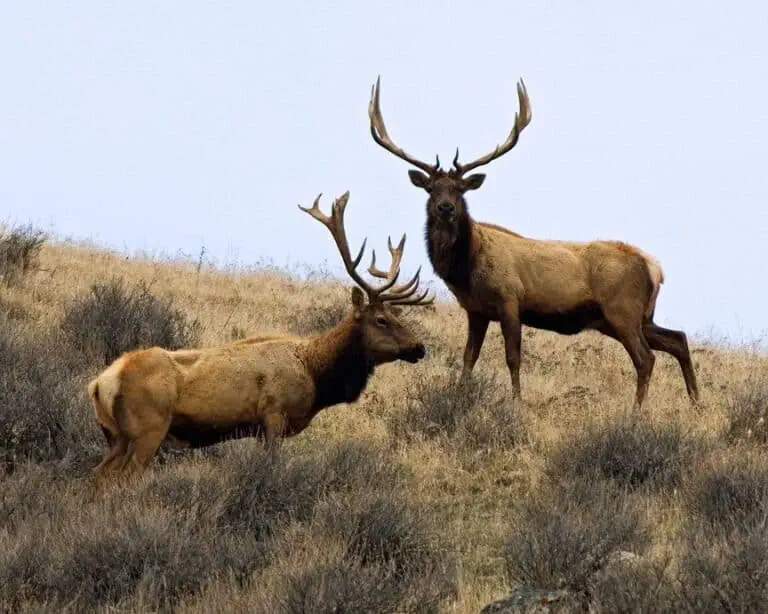
Framed by enormous, banded cliffs and traversed by bighorn sheep, Whitewater Preserve is where friends sit beneath the cottonwoods or watch birds among the willows. It’s where families discover for the first time the Whitewater River, typically a gentle flowing ribbon of crystal-clear water. They gather along its banks, and children play in the cool water, perhaps a dozen feet wide and scarcely a foot deep.
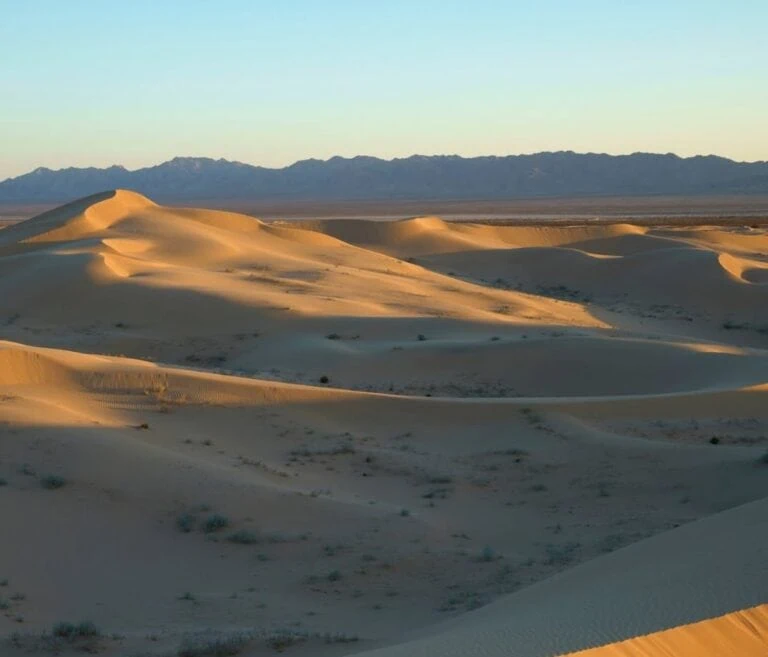
Our conservation campaigns have also helped establish Sand to Snow National Monument and secure the Whitewater River’s National Wild and Scenic River designation, protecting the landscape beyond the preserve.
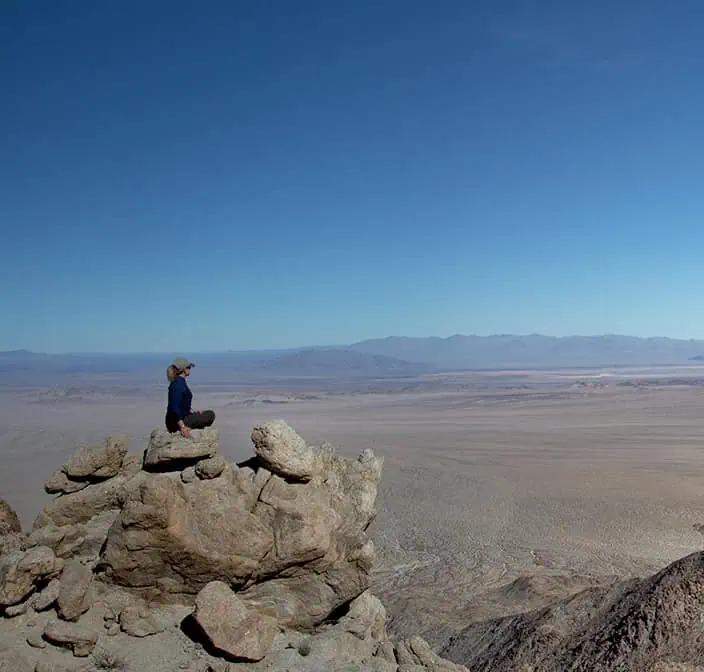
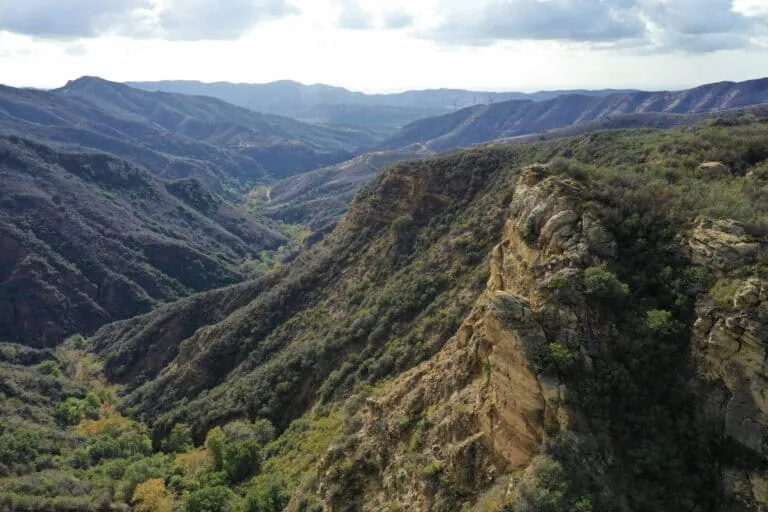
Whitewater Preserve is a meeting of mountains and desert, and an important connection for wildlife. Descending from the slopes of Mount San Gorgonio, Southern California’s tallest mountain at more than 11,500 feet, the canyon and surrounding protected lands link the San Bernardino Mountains with the Coachella Valley and Little San Bernardino Mountains. The river and its streamside vegetation sustain resident and migratory species while providing a corridor between mountain and desert habitats.
With philanthropic support, we continue restoring habitat for threatened and endangered birds and work with the U.S. Fish and Wildlife Service and California Department of Fish and Wildlife toward reintroducing the endangered mountain yellow-legged frog to the Whitewater River.
You Can Help Protect a Conservation Legacy
Our responsibility is to care for this living landscape and prepare for the changes ahead.
Your support can help turn years of planning into lasting protection for wildlife habitat, outdoor education, and a place that welcomes everyone, free of charge.
About Whitewater Preserve:
Whitewater Preserve took shape in 2006, when the former Whitewater Trout Company was acquired by Friends of the Desert Mountains with Prop 40 funding provided by the Coachella Valley Mountains Conservancy, then transferred to The Wildlands Conservancy for permanent stewardship. Today, Whitewater Preserve encompasses 2,267 acres, demonstrating how public funding, private support and long-term stewardship can protect a landscape for generations and opening the gateway to outdoor education programs for thousands of students from the Coachella Valley each year.